What Is a GW Wedge and Do You Need One in Your Bag?

A GW wedge, or gap wedge, fills the loft void between your pitching wedge and sand wedge, typically ranging from 50° to 52°. You'll use it for those frustrating 90-120 yard shots where a PW flies too far and a SW falls short. It's not a specialty club; it's a precision tool designed for consistent distance control on full and partial swings. Understanding how it fits your specific wedge setup makes all the difference.

Table of Contents

Understanding the Gap Wedge and Its Role in Your Golf Bag

Understanding the Gap Wedge and Its Role in Your Golf Bag

The gap wedge might be the most misunderstood club in your bag, if you even have one. Here's the reality: there's an 8-10 degree loft gap between your pitching wedge and sand wedge, and that translates to roughly 20-30 yards of no-man's-land on your approach shots.

The gap wedge exists to solve this exact problem. It sits between 48° and 54° of loft, giving you reliable distances in that awkward 90-120 yard range where you'd otherwise be guessing with partial swings.

You need this club for those in-between yardages that force uncomfortable choices. Instead of muscling up a sand wedge or backing off a pitching wedge, you make a confident, committed swing. You can also create multiple yardages by using partial swings at varying speeds between 50-70%. That consistency directly impacts your scoring.

Golf club and ball on sandy surface

Loft Specifications and How They Compare to Other Wedges

Numbers tell the real story with gap wedges, and understanding loft specifications separates smart club selection from guesswork.

Your GW typically sits between 48 and 52 degrees, with most landing in the 50 to 52 degree sweet spot. Here's where it gets practical: your pitching wedge runs 42 to 48 degrees, while your sand wedge spans 54 to 58 degrees. The GW bridges that gap perfectly. Gap wedges serve as a transition between pitching wedges and sand wedges, which is why they're also known as approach wedges, attack wedges, or A wedges.

Don't overlook the 4 to 6 degree rule. You need consistent spacing between wedges for predictable yardage jumps. A common setup runs PW at 46 degrees, GW at 50, SW at 54, and LW at 58 or 60. The Gap Wedge was specifically created to fill loft gaps that emerged as modern iron lofts became stronger over time. Most golfers should carry 1-2 hybrids to avoid distance gaps in their bag, and the same principle applies to wedge selection.

Check your iron set's pitching wedge loft initially. Stronger modern PWs at 43 degrees demand a 48-degree gap wedge to maintain proper spacing.

Typical Distance Range and Shot Applications

While manufacturers love throwing around impressive distance numbers, your real-world gap wedge performance depends entirely on your swing speed and how well you've dialed in this club.

Most golfers land their gap wedge shots between 80 and 110 yards. Faster swingers push that ceiling to 125 yards, while slower swing speeds drop the floor considerably. Your gap wedge fills the scoring zone between your pitching wedge's 100-140 yard range and your sand wedge's 50-90 yard ceiling. The 52-degree club face provides the versatility needed to bridge this distance gap effectively.

You'll reach for this club on approach shots where precision matters more than raw power. It's your go-to for light rough exits, moderate flight paths that need stopping power, and those awkward distances where other wedges just don't fit. The gap wedge emphasizes distance control and accuracy over the specialty turf interaction you'd expect from sand or lob wedges. Command three-quarter swings, and you've got even finer distance control. Using controlled swings like half or three-quarter motions helps you match your desired distances more accurately than relying on full power.

Close-up of a golf club on grass

Bounce Angles and Sole Design Features

Bounce angle sounds technical, but it's actually the single most misunderstood spec on any wedge you'll buy. Here's the reality: bounce is simply the angle between the leading edge and the sole's lowest point. A GW wedge typically runs 8° to 12° of bounce, which handles most conditions you'll encounter.

Don't fixate on bounce alone. Sole width matters just as much. A wider sole increases effective bounce and prevents digging, even if the stated bounce angle seems moderate. Conversely, a narrow sole reduces effective bounce regardless of what's stamped on the club.

Camber plays a role, too. More rounding on the sole decreases effective bounce, while a flatter profile increases it. You're choosing a system of features, not a single number. The right bounce selection depends on your swing style, course conditions, and the typical shots you play most frequently.

Building Your Wedge Setup Around the Gap Wedge

Before you obsess over loft numbers, understand this fundamental truth: your gap wedge anchors the entire short game, not your sand wedge or lob wedge.

Here's why: that 50-54 degree club sits at the mathematical center of your scoring range. You'll hit more full-swing approach shots from 80-110 yards than any other distance inside 150. Building outward from your gap wedge guarantees consistent four-to-six degree spacing throughout your wedge set. The gap wedge features wide soles for better ground contact and grooves specifically designed for spin control.

Start by identifying your pitching wedge loft, typically 44-48 degrees, depending on your iron set. Your gap wedge should sit exactly in the middle between that number and your sand wedge's 54-56 degrees. This eliminates the 15-20 yard distance void that destroys scoring opportunities. Every other wedge selection flows from this central anchor point. Most matched iron sets do not include a gap wedge, requiring golfers to purchase one separately to complete their scoring club lineup. Since golfers are limited to 14 clubs in their bag, strategic wedge selection becomes critical for maximizing short game performance.

Technical Characteristics That Affect Performance

Once you've anchored your wedge setup around that gap wedge, the real performance differences come down to specs most golfers never examine, and manufacturers rarely explain clearly.

Bounce angle matters more than loft for turf interaction. Your gap wedge's bounce typically ranges from 8° to 12°, and this determines whether the club glides under the ball on tight fairway lies or digs awkwardly. Lower bounce suits firmer conditions; higher bounce prevents chunking in softer turf.

The clubhead runs slightly heavier than your pitching wedge intentionally. That extra weight stabilizes partial swings and delivers consistent contact on delicate approach shots between 80 and 115 yards. With its 48 to 52 degrees of loft, the gap wedge fills the distance void between your pitching wedge and sand wedge perfectly. Just as proper fitting can reduce shot dispersion significantly with your driver, matching wedge specs to your swing produces more consistent scoring club performance.

Dual-bounce sole grinds let you manipulate performance by opening the face, changing how the club interacts with turf without switching clubs. The compact clubhead profile with minimal offset is built for workability rather than forgiveness, allowing skilled players to shape shots with precision.

Golf clubs in a bag on grassy course

Frequently Asked Questions

Should Beginners Invest in a Gap Wedge or Focus on Other Clubs First?

You don't need a gap wedge yet. Perfect your pitching wedge and sand wedge initially; they'll handle most situations you'll face. The real question isn't about buying another club; it's whether you actually have a distance gap that's costing you strokes. Track your current yardages. If you're consistently leaving 20+ yard holes between your PW and SW, then a gap wedge makes sense. Until then, focus on technique.

How Often Should I Replace My Gap Wedge for Optimal Performance?

You'll hear the "75 rounds" rule tossed around, and it's actually solid advice, not just marketing fluff. For weekend players, that translates to replacing your gap wedge every 12 to 36 months. If you're grinding out range sessions or playing sandy courses, shorten that timeline. The real test? When your shots start rolling out instead of checking up, those grooves are done.

Can I Use My Gap Wedge Effectively From Bunkers Near the Green?

Yes, you can, but let's be real, it's situational. Your gap wedge works best from bunkers with low lips where you need the ball to run out. Open the face slightly, keep your hands neutral, and make a shallow swing that skims the sand. For high-lipped bunkers or tight pins requiring a soft landing, you're fighting physics. Stick with your sand wedge there.

What Shaft Flex Works Best for Gap Wedges Compared to Other Irons?

Match your gap wedge shaft to your irons; it's that simple. You'll get a consistent feel and predictable ball flight across your set. The marketing around "wedge flex" shafts creates unnecessary confusion; most are just stiff flex by another name. Don't overthink this. If you're playing regular flex irons, stick with regular in your gap wedge. Mismatched shafts only introduce variables you don't need in scoring situations.

Are There Significant Performance Differences Between Forged and Cast Gap Wedges?

The honest answer? The performance gap has shrunk dramatically. You'll notice forged wedges deliver slightly softer feedback and more immediate shot-shaping feel, while cast wedges offer better forgiveness on mishits. For most golfers, modern casting technology has closed this gap enough that it shouldn't drive your decision. Focus instead on grind, bounce, and loft; those factors affect your short game far more than manufacturing method ever will.

Conclusion

You don't need a gap wedge because some equipment guide told you so; you need one because that 15-yard distance hole between your pitching wedge and sand wedge is costing you strokes. A properly fitted GW with the right loft and bounce for your swing fills that gap and gives you a full-swing option where you'd otherwise be manipulating other clubs. That's not marketing; that's just smart course management.

Where Are TaylorMade Golf Clubs Made? The Truth Behind the Brand

TaylorMade golf clubs aren't manufactured in a single location; they're built across a global network that might surprise you. Most stock clubs come from facilities in China and Vietnam, where components like driver crowns, iron heads, and shafts are produced and assembled. However, if you order a custom build, that work happens at TaylorMade's Carlsbad, California headquarters. Understanding this supply chain matters when you're evaluating where your investment actually goes.

Table of Contents

TaylorMade Headquarters and Design Center in Carlsbad, California

When you hear "Made in the USA" slapped on golf equipment, it's natural to wonder how much of that claim holds water.

TaylorMade's corporate headquarters sits at 5545 Fermi Court in Carlsbad, California, the same Southern California strip that houses Callaway and Cobra. This isn't a coincidence. Carlsbad became golf's innovation corridor after Gary Adams relocated from his original 6,000 square foot McHenry, Illinois facility, where he launched those game-changing metal woods in 1979. The company has grown substantially since its founding in 1978, establishing itself as a major player in the golf equipment industry.

The Carlsbad operation isn't just a fancy office building. You'll find The Kingdom here, TaylorMade's exclusive professional fitting center where tour players get custom equipment dialed in. There's a 12-acre driving range, a Club Lab packed with testing technology, and shifting putting greens for roll analysis. This is where R&D happens. The manufacturing floor assembles 10,000 clubs daily, demonstrating the scale of production at this facility. This approach differs from competitors like Ping, which maintains domestic production in Phoenix, where skilled craftspeople custom-build each club through a detailed work order process.

Golf club and ball on sandy surface

Component Manufacturing in China and Vietnam

Over 60% of TaylorMade's total club production happens thousands of miles from that Carlsbad headquarters, and that's not the dirty secret some golfers assume it is.

China dominates TaylorMade's manufacturing footprint, churning out roughly 1.8 million clubs annually from ISO 9001 and ISO 14001 certified facilities. You'll find driver crowns coming from Shenzhen, iron heads from Guangdong, and graphite shafts from Shanghai. These aren't corner-cutting operations; they're precision casting and multi-material bonding specialists with decades of golf-specific proficiency. These high-quality production methods in overseas facilities reflect the company's commitment to maintaining premium standards regardless of location.

Vietnam handles around 300,000 clubs per year, focusing on iron heads, mid-range assembly, and increasingly, innovation prototypes. The facilities prioritize finishing work and quality control. Vietnam's cost-effective production environment makes it a vital hub for delivering quality mid-range clubs without sacrificing durability.

Here's what matters: both countries offer advanced manufacturing tech, proximity to raw materials, and specialized skills in thin-faced metalwoods that simply don't exist elsewhere at scale. This global supply chain approach allows TaylorMade to combine U.S.-based innovation with cost-effective overseas manufacturing and assembly.

Club Assembly Locations Around the World

Manufacturing components is one thing, assembling them into a finished club you'd actually want to swing is another beast entirely.

Here's what most golfers don't realize: your TaylorMade club's assembly location depends entirely on whether you're buying stock or custom. Stock clubs, the ones sitting on retail racks, get assembled primarily in China and Vietnam. Shenzhen handles driver work, Guangdong focuses on irons, and Vietnam tackles mid-range configurations.

But order a custom build? That's assembled right in Carlsbad, California, at TaylorMade's headquarters. You're getting hands-on attention from their dedicated custom workshop, with professional quality control baked into every step. While assembly happens in California, the clubs are designed in the United States by a dedicated team of engineers who develop the technologies before production begins.

Thailand and Taiwan round out the network, each selected for specific strengths—Thailand's workforce excels at precision detail work, while Taiwan's Ta Chung facility sits strategically near key suppliers. This strategic positioning mirrors the approach top golf shoe brands like FootJoy and adidas take with their advanced manufacturing technologies to maintain consistent quality across global production sites.

Golf driver next to a golf ball on tee

Golf Ball Production Facilities in the United States and Asia

The Liberty, South Carolina facility represents TaylorMade's bold bet on American manufacturing, a $13 million, 120,000-square-foot operation that's been pumping out millions of golf balls annually since 2013. You're looking at 300 employees working around the clock, and every single ball that ends up in a PGA or LPGA Tour player's bag passes through this facility. The facility transitioned operations from the Westminster, S.C. plant, with TaylorMade retaining 90 full-time employees from the original location.

Here's what most golfers don't realize: TaylorMade's supply chain isn't purely domestic. Some urethane models are manufactured entirely in Korea, while others feature cores and inner layers from Taiwan with urethane covers assembled stateside. This geographic diversification isn't a quality compromise; it's strategic flexibility. The Liberty facility handles the precision urethane cover assembly that essentially determines how your ball performs on approach shots and around the greens. The plant serves as the North American golf ball production headquarters, consolidating the company's domestic manufacturing operations under one roof. The facility specifically handles the urethane cover assembly for the TP5, TP5x, and Tour Response lines, ensuring these premium balls meet Tour-level quality standards before worldwide distribution.

TaylorMade's Global Supply Chain Strategy

While Carlsbad, California, serves as TaylorMade's brain trust, where engineers and designers dream up the next generation of drivers and irons, the actual manufacturing story spans three continents and reveals a calculated strategy that's worth understanding.

Here's what you need to know: China handles the heavy lifting for clubhead production, Vietnam picks up secondary manufacturing duties, and Korea's facility (acquired in 2021) feeds components to plants worldwide. Japan maintains dedicated operations for market-exclusive products.

This isn't corporate cost-cutting dressed up as strategy; it's genuine optimization. You get Carlsbad's innovation oversight paired with Asia's manufacturing precision and scale. Custom orders still flow through California, while stock clubs ship from Asian facilities. The result? TaylorMade maintains quality control while supplying competitive pricing across every product category. This hybrid approach is common among major brands based in Carlsbad, where outsourcing club heads to Asia followed by final assembly in the USA has become standard practice. Golf ball production follows a similar pattern, with components manufactured abroad and finished in South Carolina.

Golf bag on cart near red flag on course

Frequently Asked Questions

Are Taylormade Golf Clubs Made With American-Sourced Steel and Titanium Materials?

No, you won't find American-sourced steel or titanium in your TaylorMade clubs. Despite the Carlsbad design headquarters, TaylorMade sources these metals globally, primarily from Asian suppliers. The company's never publicly confirmed any U.S. metal sourcing. Their strategy prioritizes cost-efficiency and access to advanced Asian manufacturing technologies over domestic material procurement. If "Made in USA" materials matter to you, you'll need to look elsewhere; companies like Ping manufacture domestically.

How Long Does It Take to Manufacture a Custom Taylormade Club?

Your custom TaylorMade club takes 5–10 business days from order to delivery. Here's the breakdown: 1–2 days for order processing, 1–3 days for actual assembly at their Carlsbad facility, and another 1–2 days for quality control and shipping prep. That timeline assumes standard components are in stock, if you've spec'd something rare or specialized, add extra days for sourcing. It's not instant, but it's not agonizing either.

Does Taylormade Offer Factory Tours at Their Manufacturing Facilities?

No, TaylorMade doesn't offer public factory tours at any of its manufacturing facilities. Their plants in China, Vietnam, and the Liberty, South Carolina golf ball facility are all closed to the general public. You won't find an online booking system or open house events. Access is strictly reserved for media, industry professionals, and business partners by invitation only. Don't waste time searching—it's simply not an option.

Are Taylormade Clubs Made Differently for Professional Tour Players?

Yes, Taylormade builds tour clubs differently, and it's not just marketing spin. You're getting tighter manufacturing tolerances, hand-assembled components at their Carlsbad facility, and sometimes prototype technology that hasn't hit retail shelves yet. Tour pros demand precise weight, balance, and shaft specs that mass-produced clubs simply can't deliver. The quality control alone, with hand inspections and frequent in-season adjustments—separates these sticks from what you'll find at your local retailer.

What Quality Certifications Do Taylormade's Overseas Manufacturing Facilities Hold?

TaylorMade's overseas facilities in China and Vietnam hold ISO 9001 certification, the international gold standard for quality management systems. You'll find these plants undergo regular third-party audits, not just internal checks. They've implemented lean manufacturing principles, in-process inspections, and final product testing. Don't let "made overseas" make you skeptical; these certifications mean the same rigorous quality protocols govern production regardless of location.

Conclusion

You're not getting a purely American-made club when you buy TaylorMade, and that's perfectly fine. The engineering and design happen in Carlsbad, California, while manufacturing spans China, Vietnam, and other global facilities. What matters isn't where the stamp came from, but whether the club performs. TaylorMade's quality control remains tight regardless of location, so don't let "made in" labels drive your buying decision.

Where Are Titleist Golf Clubs Manufactured? A Global Operation

Titleist golf clubs are assembled in Carlsbad, California, but don't let "Made in USA" marketing fool you; the story's more complicated. Components like driver heads, shafts, and grips arrive from Japan, China, and Thailand before skilled California workers piece them together. The notable exception? Scotty Cameron putters are milled entirely stateside from solid 303 stainless steel. Understanding this global supply chain reveals why Titleist maintains premium pricing and what you're actually paying for.

Table of Contents

Carlsbad, California: The Heart of Titleist Golf Club Production

When you hear "Made in the USA" slapped on golf equipment, it's easy to assume that's mostly marketing spin, a label designed to justify premium prices rather than reflect actual manufacturing reality. But Titleist's Carlsbad, California, facility tells a different story. This isn't some token assembly line; it's the genuine nerve center where roughly 3 million golf clubs roll out annually. You're looking at 35 million components flowing through those doors each year: heads, shafts, grips, and weights converging into finished clubs. The operation handles both stock production and custom builds simultaneously, with skilled technicians executing precise assembly steps rather than just snapping parts together. The facility is capable of manufacturing around 1,200 golf clubs daily to meet demand. Quality checks happen during assembly, not as an afterthought. This commitment to rigorous manufacturing standards mirrors the approach taken at Titleist's ball plants in Massachusetts, where Pro V1 and Pro V1x production maintains similarly exacting quality controls. The facility employs approximately 200 workers, with the majority dedicated specifically to club building operations. Scotty Cameron putters get milled here, reinforcing that this location prioritizes craftsmanship over convenience.

Golf clubs being regripped on workshop table

Global Component Manufacturing Network

Most golfers assume Titleist's "premium American brand" positioning means everything happens stateside; that's not remotely true, and honestly, it shouldn't be.

Titleist's global component network spans Japan, China, Thailand, and beyond. Your driver's head? Likely forged in Asia. Those precision iron heads? Cast or forged in Japan or China, then shipped for final assembly. Shafts and grips come from vetted suppliers across multiple continents. This approach mirrors how other major golf brands like TaylorMade utilize cost-effective manufacturing in Asia while maintaining U.S.-based design and engineering.

Here's what matters: Titleist doesn't compromise on quality regardless of origin. They sort forged iron heads by weight and consistency before assembly. Real-time inspections happen on every production line. Supply chain managers enforce the same specifications whether components come from Osaka or Ohio. Acushnet Company oversees all design, manufacturing, and quality control across every facility in the network.

This isn't cost-cutting, it's strategic specialization. Japanese manufacturers excel at precision metalwork. Titleist utilizes that proficiency. Final assembly occurs in Carlsbad, CA, where components from around the world come together before reaching your local pro shop.

The Journey From Overseas Components to American Assembly

Although components arrive from manufacturing hubs across Asia and beyond, Titleist's Carlsbad facility changes this global supply chain into something distinctly American, and the scale is staggering.

You're looking at 30 to 35 million components flowing into California annually. That's clubheads, shafts, grips, weights, head covers, and assembly tools, all converging on one facility. This massive import volume isn't a weakness in the manufacturing story; it's what gives you access to custom options that would otherwise be impossible. This approach differs from competitors like Ping, whose clubs are exclusively manufactured in Phoenix through a fully domestic production process.

Here's what matters: those international components don't just sit in a warehouse. They're funneled into an assembly operation where cellular manufacturing teams change raw parts into finished clubs. Each 14-person cell works on a 30-second cycle, maintaining the precision you'd expect, whether you're ordering stock or fully custom specifications. Swing weight cuts performed during assembly are critical for ensuring each club meets exact balance requirements.

Person holding a golf driver on green surface.

Scotty Cameron Putters: Made Entirely in the USA

Scotty Cameron putters represent the exception that proves the rule in Titleist's manufacturing story. While other Titleist clubs involve overseas components, every Scotty Cameron putter is designed, milled, and built in California from solid blocks of 303 stainless steel. This isn't marketing spin; it's been their approach for over 25 years.

Here's why that matters to you: CNC milling from solid steel means the initial putter off the line matches the thousandth in exact specifications. You're getting precision that casting simply can't replicate. The milled construction also allows for neck bending and customization without compromising structural integrity. In contrast, cast putter necks may snap if bent more than three degrees, making long-term adjustments risky. The absence of porosity or air pockets in milled putters eliminates the unpredictable performance issues that can plague cast alternatives.

Earlier models used carbon steel, but modern Scotty Camerons stick with 303 stainless for durability and consistency. This stands in stark contrast to other Titleist products that rely on Asian manufacturing facilities for component production. When you're paying premium prices, you're genuinely getting American craftsmanship throughout.

Quality Control Standards Across All Manufacturing Locations

Whether Titleist manufactures clubs in California or overseas, the company enforces identical quality control protocols at every facility, and I've seen enough inconsistent multi-location manufacturing to know that's a bold claim worth scrutinizing.

Here's what backs it up: Titleist's central engineering team oversees quality at every location. Raw materials undergo rigorous testing for weight and dimensional accuracy before they touch a production line. Laser measurement and computerized analysis catch defects that human eyes miss. Components arrive from manufacturing partners in countries including Japan, Taiwan, and China, where they must meet Titleist's strict incoming inspection standards. This precision matters because even minor weight variations can affect average club distances by significant margins across your bag.

Every assembled club gets checked for fit, finish, alignment, and balance against Titleist's specifications. Clubs undergo functional testing simulating real-world conditions before earning approval for distribution. Skilled craftsmanship combines with modern technology throughout this process to ensure optimal performance.

The feedback loop matters too. Quality data feeds continuous improvement, and tour player input directly shapes protocols. You're getting the same standards whether your club ships from Carlsbad or Asia.

Why Titleist Maintains Domestic Manufacturing Operations

Given how aggressively most golf equipment companies have shifted production overseas to slash costs, Titleist's commitment to domestic manufacturing looks almost stubborn, and that's exactly the point.

You're not just buying a golf club when you purchase Titleist; you're getting the benefits of tight integration between their California R&D teams and assembly lines. This proximity means tour player feedback gets implemented fast, and quality control stays razor-sharp. In contrast, competitors like PXG operate custom-built facilities in locations such as the United Kingdom to serve their European markets with rapid turnaround times.

The Massachusetts ball plants and Carlsbad club facilities aren't about nostalgia. They're strategic assets that shorten your wait time on custom orders, reduce supply chain headaches, and keep skilled American craftspeople employed. The Carlsbad facility alone employs around 200 skilled workers dedicated to producing millions of golf clubs annually. When tariffs spike or overseas shipping gets interrupted, Titleist's domestic footprint becomes a genuine competitive advantage. That "Made in USA" label carries operational substance, not just marketing weight.

Golfers walking together on a sunny course

Frequently Asked Questions

Can I Tour the Titleist Golf Club Manufacturing Facility in Carlsbad, California?

You can't simply book a tour of Titleist's Carlsbad facility. They don't offer public walk-in visits or scheduled tour programs. The factory processes proprietary technology and confidential production methods, so access stays tightly controlled. Occasionally, media members and select insiders receive private invitations, but that's it. If you're craving a behind-the-scenes look, your best bet is watching third-party factory tour videos online; they're genuinely fascinating and readily available.

How Long Does It Take to Manufacture a Custom Titleist Golf Club?

Manufacturing a custom Titleist golf club takes anywhere from several hours to a few days once production begins. You're not getting a rushed job; each club moves through head prep, precise shaft bonding, loft and lie adjustments, swing weight calibration, and grip installation. Factor in 90-plus inspection points and you'll understand why your order isn't shipping overnight. The wait reflects genuine craftsmanship, not corporate foot-dragging.

Does Titleist Offer Factory-Direct Purchasing Options for Their Golf Clubs?

No, Titleist doesn't operate a traditional factory-direct store for its golf clubs. You can't just hop online and buy standard models straight from the source. Your path runs through authorized retailers and pro shops. The exception? Custom orders. You can spec out a tailored club through their website, and Titleist's custom shop handles fulfillment, sometimes shipping directly from their facilities. For everything else, you're working through their dealer network.

Are Titleist Golf Clubs Covered by a Manufacturer's Warranty?

Yes, your Titleist clubs are covered by a manufacturer's warranty. Here's the deal: you're protected against defects in materials and workmanship, typically for one year from purchase. But don't lose that receipt, you'll need it. The warranty won't bail you out for normal wear, misuse, or damage from unauthorized repairs. Contact your retailer or Titleist directly to start a claim.

How Can I Verify if My Titleist Golf Club Is Authentic?

You can verify your Titleist club's authenticity through several reliable methods. Check the club's serial number against Titleist's official database or call their customer service line at 800-333-4200. Inspect the physical quality; genuine clubs have flawless paint, precise alignment, and consistent weight distribution. Purchase documentation from authorized retailers also confirms legitimacy. Don't trust deals that seem too good; counterfeiters are getting better, but quality control details always expose fakes.

Conclusion

You're getting a hybrid approach when you buy Titleist clubs. Components come from overseas suppliers, but final assembly and quality control happen in Carlsbad, California. Scotty Cameron putters remain the exception, crafted entirely stateside. Does "assembled in America" matter to your game? Probably not. But if domestic manufacturing influences your purchasing decisions, Titleist maintains a stronger U.S. presence than most competitors in the industry.

What Golf Ball Should I Use? The Ultimate Guide to Choosing the Right Ball

The best golf ball for you depends entirely on your swing speed, not what the pros play. If you're swinging below 85 mph, grab a low-compression ball like the Callaway Supersoft. Between 85-100 mph? A mid-compression option like the Bridgestone Tour B RX hits the sweet spot. Only players consistently above 100 mph will actually benefit from premium balls like the Pro V1. Understanding why this matters will save you money and strokes.

Table of Contents

Understanding Golf Ball Construction Types

Before you can make a smart choice about which golf ball to play, you need to understand what's actually inside that dimpled sphere, and I'll be honest, manufacturers don't make this easy.

Here's the breakdown: Two-piece balls pair a large synthetic rubber core with a durable cover. They're built for distance and forgiveness, making them ideal if you're prioritizing yardage over finesse. Three-piece and multi-layer balls add mantle layers between core and cover, creating a progressive stiffness that balances distance with spin control. These designs let skilled players shape shots and stop the ball on greens. The mantle layer serves a critical function by reducing spin generated by the core's rapid expansion upon contact with the club.

The more layers, the more engineering flexibility, but also the higher the price tag. Five-piece balls exist, but whether you'll actually benefit from that complexity is another question entirely. The TaylorMade TP5 uses a unique five-layer design trusted by professional golfers for its distance-enhancing capabilities. The core is typically made of polybutadiene rubber, which provides the elasticity needed for maximum energy transfer at impact.

Wooden crate filled with golf balls on grass

Matching Your Swing Speed to the Right Ball

Now that you understand the layers inside a golf ball, here's where most golfers get things backwards: they obsess over brand names and tour player endorsements while completely ignoring the one specification that actually determines whether a ball works for their game, compression.

Your driver swing speed dictates everything. Below 85 mph? You need low compression balls rated 30–70. Between 85–100 mph? Medium compression (65–90) delivers that sweet spot of distance, feel, and spin control. Swinging above 100 mph? High compression balls rated 90-plus reveal explosive distance. For reference, premium balls like the Titleist Pro V1 sit around 90 compression, while Callaway's Chrome Soft offers a softer feel at around 80.

Here's what matters: if you swing over 105 mph and grab a soft compression ball because it "feels nice," you're leaving measurable yards on the table. That soft ball will over-compress at impact, causing a mushy feel and lack of control. Compression matching isn't optional; it's the foundation of smart ball selection. Since the golf ball is the only equipment used for every shot, getting this fundamental choice right has a greater cumulative impact on your scores than any club upgrade.

Cover Materials and Their Impact on Performance

While compression determines how efficiently you transfer energy to the ball, the cover material controls what happens after impact, specifically, how much spin you generate and how long your ball survives a round.

You've got two main options: urethane and ionomer (Surlyn being DuPont's branded version). Urethane delivers that soft feel and high spin rates you need for stopping approach shots dead on greens. It's what tour players demand. Ionomer covers are harder, more durable, and produce lower spin, which actually helps high handicappers by reducing those ugly hooks and slices off the tee. Testing shows high handicappers hit approximately 8% more fairways with Surlyn balls due to reduced slice severity.

Here's the trade-off you're making: urethane costs considerably more and scuffs faster, while ionomer balls survive cart paths and tree strikes without flinching. Your skill level dictates which compromise makes sense. Women golfers with slower swing speeds should also consider balls with lower compression ratings between 45 and 70, as these softer constructions allow for more effective energy transfer regardless of cover material. Since golf balls can be easily switched without high cost, testing different covers allows you to find the optimal performance match for your game.

Box filled with used golf balls

Top Golf Ball Models for Every Skill Level

Knowing your cover preference means nothing if you can't match it to specific models that actually deliver on their promises.

For low handicappers, the Titleist Pro V1 and TaylorMade TP5 remain the gold standard; you're paying for workability and greenside spin that cheaper balls simply can't replicate. These players require maximum control and high spin to optimize their already refined game. The TaylorMade TP5's unique five-piece construction maximizes ball speed while maintaining exceptional spin and feel. If you're shooting in the 80s to low 90s, the Bridgestone Tour B RX and Srixon Q-Star Tour give you tour-inspired performance without the premium price tag.

High handicappers, stop buying Pro V1s. The Callaway Supersoft and Wilson Duo Soft+ will actually help your game with forgiving low-compression designs built for slower swing speeds. The TaylorMade Distance+ offers 90% of premium performance at roughly one-third the cost, making it perfect for recreational players focused on value. Want sleeper value? The Kirkland Signature delivers tour-level spin at a fraction of the cost, and the Piper Black offers premium urethane construction without the markup.

Compression Ratings Explained

Compression might be the most misunderstood number in golf, and manufacturers aren't exactly rushing to clear things up. Here's what you actually need to know: compression measures how much a ball squishes at impact, ranging from 30 (soft) to 120 (hard). There's no industry standard, so comparing ratings across brands is basically useless.

What matters is matching compression to your swing speed. If you're swinging under 85 mph, grab a low compression ball (30–70). You'll get that trampoline effect where the ball springs off your clubface, adding distance you'd otherwise lose. Swing between 85–95 mph? Stick with mid-compression around 80–90. Bombing it over 95 mph? You need high compression (90–120) to prevent the ball from over-deforming and bleeding energy. Selecting the appropriate compression rating enhances both control and distance off the tee. Generally, harder balls with lower compression ratings travel further because they transfer energy more efficiently from the clubhead to the ball. It's also worth noting that lower compression balls typically generate more spin, which can help you maintain control around the greens.

Finding the Best Value for Your Game

Before you drop $55 on a dozen Pro V1s because that's what the tour pros play, let's talk about what your money actually buys, or doesn't.

Testing reveals no massive performance drop-off between premium and budget balls across distance and control metrics. The Bison V Power measured within 0.1 yards of the Callaway Chrome Tour at considerably lower cost. MaxFli Tour delivers tour-level spin around the greens for $39.99 per dozen, or just $30 when you buy in bulk.

Here's the math that matters: Pro V1s cost $4.58 per ball. Kirkland Signature V3 runs $1.75. If you're losing three balls per round, you're burning $14 versus $5.25 for nearly identical performance trajectories. Your wallet notices that difference long before your scorecard does. You can stretch your budget even further by buying quality used golf balls, which save 50%-70% compared to new ones while maintaining 95-99% of their original performance.

Seven golf balls in a clay bowl

Frequently Asked Questions

How Often Should I Replace My Golf Balls During a Round?

Replace your golf ball when it's damaged, period. Forget the marketing myth that you need fresh balls constantly. Unless you've cut, scuffed, or cracked the cover, that ball performs similarly to a new one. Even balls dunked in water for months lose only 1-2 yards. You're not a tour pro rotating every three holes. Play until damage occurs or you lose it, then swap.

Do Colored Golf Balls Perform Differently Than White Ones?

Colored golf balls perform nearly similarly to white ones. Testing shows negligible differences in distance, ball speed, and club head speed across all clubs. You might notice white balls retain slightly more spin, while yellow balls show marginally more "pop" at impact, but we're talking variations within 2 mph. Premium brands like ProV1x maintain similar performance regardless of color. The real difference? Visibility, not performance.

Can Weather Conditions Affect Which Golf Ball I Should Choose?

Yes, the weather absolutely dictates your ball choice. In cold conditions, you'll want a softer compression ball; your standard ball turns into a rock, and you'll hemorrhage distance. Hot, humid days? You can play firmer balls since the air's thinner, and everything flies farther. Don't overthink it: keep a sleeve of low-compression balls in your bag for those sub-50-degree rounds.

How Do Dimple Patterns Influence Golf Ball Flight and Distance?

Dimple patterns aren't just cosmetic; they're the engine behind your ball's flight. Those tiny craters create a turbulent boundary layer that slashes drag and generates lift. You'd lose roughly half your distance with a smooth ball. Deeper dimples lower spin and launch angle for more roll; shallower ones enhance height and backspin. The pattern's geometry, number, shape, and arrangement directly control flight path stability and wind resistance.

Should I Use Different Golf Balls for Practice Versus Competitive Play?

For serious practice, you should use the same ball you play in competition. Here's the reality: range balls fly up to 40 yards shorter with drivers and produce inconsistent spin rates that'll mess with your distance perception. Your short game suffers most from mismatched balls. Save money by practicing with X-outs or refurbished premium balls; they maintain performance consistency without the full retail hit.

Conclusion

Stop overthinking this. Match your swing speed to the right compression, pick a cover material that fits your short game priorities, and don't pay tour-ball prices if you're losing three balls a round. The perfect golf ball isn't the one your favorite pro plays; it's the one that performs for your swing and doesn't wreck your budget. Now get out there and test a few sleeves.

How to Lengthen Your Golf Clubs (the Right Way)

You'll need shaft extenders matched to your club material, metal for steel, plastic for graphite, plus high-strength golf epoxy and 24 hours of patience. Remove your grips, sand the shaft's interior, and test-fit the extension before applying epoxy to both surfaces. Here's the catch most DIYers miss: stick to a 2-inch maximum extension, or you'll wreck your swing weight and balance. The full process from measurement to final grip installation takes precision at every step.

Table of Contents

Tools and Materials You Need for Lengthening Golf Clubs

Before you grab any old hardware store supplies and start hacking away at your shafts, let's get one thing straight: the wrong materials won't just give you a sloppy result, they'll destroy your clubs.

You'll need shaft extenders matched exactly to your shaft material, metal extenders for steel, plastic or nylon for graphite. Don't mix these up. High-strength golf epoxy secures everything, but only after you've sanded surfaces properly for bonding. Keep in mind that extensions should be limited to two inches to maintain proper club performance and balance. Remember that graphite driver shafts are lighter than steel, which affects how much weight your extension adds to the overall club feel.

For cutting, use a rotary tool or specialized shaft cutter. A pipe cutter works, but precision matters here. Keep sandpaper handy for fine-tuning the extender fit within 0.020 inches. You'll also need grip tape, solvent, and potentially new grips since your extension shifts everything upward. Using a graphite golf shaft measuring gauge makes determining the correct extender size much simpler and more accurate.

Metal rod and utility knife on wooden surface

Measuring Your Ideal Club Length

How accurately do you actually know your current club length? Most golfers guess, and that's a problem. Leaning your driver against a wall with a tape measure gives you garbage data; it ignores lie angle entirely and produces inconsistent results.

Here's the correct method: set your club flat on the ground with the sole's center making contact, then measure along the shaft axis to the grip's end. The USGA requires a 60-degree plane orientation for official measurements. A 48-inch measuring stick is recommended when measuring longer clubs like drivers and 3-woods to ensure complete accuracy. For the most precise results, always measure from the heel of the club to the end of the grip. When measuring, ensure you stop at the edge of the grip cap rather than the very top of the grip for accurate results.

For determining your ideal length, you need your wrist-to-floor measurement. Stand straight, arms relaxed at your sides, and measure from your wrist crease to the floor. At 6'3" to 6'6", you're typically looking at adding one inch to standard specs. This measurement cuts through the guesswork completely.

Preparing the Shaft and Extension for Installation

Knowing your ideal club length means nothing if you botch the installation, and this is where most DIY attempts fall apart.

Start by removing the grip and tape from the butt end, then sand the shaft's interior to create a roughened surface. Clean everything with acetone or mineral spirits, and run a wire brush through to eliminate oxidation and debris. Let it dry completely. Working in a well-ventilated area during this process is essential for safety.

For the extension, lightly sand the outer surface. Steel shafts need either 0.580 or 0.60-inch diameter extensions; match your shaft specs exactly. Graphite extensions fit more loosely and may require filing for the proper diameter. Keep in mind that the recommended maximum extension is 2 inches, as extending beyond this can weaken the shaft structurally.

Test fit before touching epoxy. The extension should slide smoothly without forcing. If you're fighting it, you've got the wrong size or insufficient prep work. Once the extension is installed, you'll need to apply new grip tape and solvent, and having the proper tools available makes the regripping process significantly easier.

People discussing golf clubs in workshop

Cutting and Fitting the Extension Piece

Every extension piece requires precise measurement before you touch a cutting tool, and this step separates clean installations from crooked disasters.

Stand in your natural golf posture and measure the exact length you need. Mark the extension with a permanent marker at your cut point; no guessing allowed.

Here's where most DIYers mess up: they grab whatever cutting tool is nearby. Don't. For steel extensions, tubing cutters deliver the cleanest cuts with minimal edge distortion. Chop saws work too, but skip them entirely for graphite. Graphite demands a hacksaw; abrasive wheels shred the fibers and compromise structural integrity. A manual pipe cutter is the recommended tool for making clean, precise cuts on the shaft.

After cutting, test-fit the extension into your shaft before reaching for epoxy. Each shaft's interior diameter varies slightly, so check every club individually. The extension shouldn't protrude more than 1.5 inches from the shaft. When working with graphite, secure the shaft in a rubber shaft clamp to prevent damage during the cutting and fitting process. Once the extension is epoxied in place and you've re-gripped the club, wait at least 24 hours before using it to ensure the grips fully adhere.

Applying Epoxy and Securing the Extension

Selecting the right epoxy determines whether your extension holds for years or rattles loose after a few range sessions.

Skip the 5-minute epoxy unless you're fixing a single club in a pinch. Golf-specific extension adhesive delivers superior results, its thicker viscosity fills the inevitable gaps between extension and shaft, and it cures less brittle than standard shafting epoxy. For multiple club projects, 24-hour epoxy allows extensive working time to complete the entire set without rushing.

Roll sandpaper into a tube and rough up the shaft's interior. Sand the extension piece lightly where it inserts. You're creating grip, not removing material. Using medium-grit sandpaper, around 120 grit works well to expose fresh surface area for optimal adhesion.

Apply a light coating to both surfaces, about an inch of coverage. Rotate and work the extension up and down during insertion to spread the epoxy completely. Excess epoxy causes swingweight issues and eventually breaks loose, creating that maddening rattle. Save your mixed epoxy nearby until it hardens completely. One tube of extension adhesive typically installs approximately 8-10 extensions, making it economical for full set projects.

Re-Gripping and Testing Your Extended Clubs

Once your extension cures fully, typically 24 hours with golf-specific epoxy, you're ready to tackle the re-gripping process that'll determine whether your modification feels like a factory club or a garage experiment.

Start by cleaning the shaft with acetone to guarantee ideal grip adhesion. Professional-grade solvent removes any residue that'll cause slipping during your swing. Don't skip this step; it's the difference between confidence and doubt at the address. Apply double-sided grip tape evenly to the shaft before sliding on your new grip with solvent for a secure fit.

Your initial range session reveals everything. Watch your ball flight patterns for directional consistency and monitor your tempo. Distance maintenance confirms the extension hasn't compromised your launch conditions. If you're feeling cramped despite the added length, you've likely underestimated your needs by half an inch.

Multiple sessions provide the data you need for informed adjustments.

Two men talking at golf driving range

Frequently Asked Questions

How Does Lengthening a Golf Club Affect Swing Weight and Ball Flight?

Lengthening your golf club adds roughly 3-5 swing weight points per half-inch, making the head feel heavier during your swing. This happens because you're shifting mass farther from the fulcrum point. Your ball flight changes, too; the shaft plays weaker with that increased advantage, potentially launching higher with more spin. You'll likely need to compensate with a lighter grip or shaft to maintain proper swing mechanics and consistent clubhead speed.

Can All Types of Golf Clubs Be Safely Extended?

You can extend most clubs, but not without limits. Steel and graphite shafts max out at 2 inches before you're risking structural damage and performance issues. Push beyond that, and you're inviting shaft breakage and inconsistent shots. Putter shafts are the exception; they'll tolerate extensions beyond the standard limit. The real catch? Graphite requires plastic or nylon sleeves only; steel sleeves will compromise the shaft's integrity.

What Is the Maximum Length You Can Add to a Golf Club?

You can add up to 2 inches to most clubs before you hit the legal ceiling. The official limit stands at 48 inches for everything except putters, which have no maximum. Here's the catch: if you're playing in elite tournaments that adopt the Model Local Rule G-10, you're capped at 46 inches. For recreational play, you've got more breathing room, but I'd caution against exceeding 2 inches; swing weight and control suffer dramatically.

Will Extending My Clubs Void the Manufacturer's Warranty?

It depends on how you do it. Here's the truth most golfers miss: standard modifications like reshafting or regripping typically won't void your warranty if you use authorized parts and certified technicians. However, if you bend shafts beyond factory specs or swap components with unapproved parts, you're gambling with your coverage. Your best move? Check your specific warranty terms and use authorized service centers. Keep all documentation, you'll need it if something goes wrong.

How Often Should I Inspect Extended Clubs for Joint Integrity?

You should inspect extended clubs for joint integrity every one to two months. Don't fall for the "set it and forget it" myth; extension joints take serious stress with every swing. If you're playing frequently or swinging aggressively, bump that to monthly. Watch for gaps, listen for clicking sounds, and tighten fasteners after each check. Skipping inspections risks performance issues and potential joint failure mid-round.

Conclusion

Lengthening your clubs isn't rocket science, but it demands precision. You've now got the knowledge to add those extra inches without dropping hundreds at a pro shop. The key is patience; rushing the epoxy cure or skimping on prep work will cost you later. Test your extended clubs on the range before committing to a round. Trust your swing, and those extra inches will translate to real distance gains.

Where to Hit Golf Balls: The Best Practice Facilities Near You

You'll enhance distance by striking the center of the clubface, the sweet spot, which delivers a smash factor of 1.50 and can add up to 40 yards compared to mishits. Position short irons center or slightly back in your stance, mid-irons dead center, and move the ball forward about half an inch per club until your driver sits just inside your lead heel. Understanding how vertical and horizontal strike patterns affect your ball flight will change your consistency.

Table of Contents

The Sweet Spot: Why Center Face Contact Matters Most

When you're chasing distance off the tee, here's the uncomfortable truth most golfers ignore: you're probably leaving 40 yards on the table before you even think about swing speed.

The sweet spot isn't marketing fluff, it's physics. Strike the center, and you'll achieve a smash factor of 1.50, meaning your 100 mph swing generates 150 mph ball speed. Miss it toward the toe or heel, and you're hemorrhaging 20% or more of that speed instantly. This optimal energy transfer directly translates to longer carry and total distance.

Here's what's frustrating: even skilled players hit the sweet spot less than 20% of the time. That miss creates a vicious cycle; you swing harder to compensate, which worsens contact, which costs more distance. Most golfers also develop consistent miss patterns, striking the same off-center location repeatedly, which means using a dry-erase marker on your clubface can reveal exactly where your tendencies lie. You can also use impact tape to assess clubface contact and identify your specific strike patterns during practice sessions.

The solution isn't more speed. It's precision.

Golfer putting on sunny green course

Vertical Impact Location and Its Effect on Ball Flight

Mastering the horizontal center is only half the equation. Where you strike the ball vertically on the clubface dramatically changes your results, and here's where things get interesting.

Hit high on the face, and you'll lose over 6 MPH of ball speed compared to center contact. Sounds terrible, right? Not so fast. That high strike delivers higher launch angles and significantly lower spin rates, sometimes 1,400 rpm less than a low strike. This combination actually produces respectable distance despite the speed loss. High-end launch monitors can track these vertical impact variations with professional-level precision, giving you real-time feedback to dial in your strike location.

Low face contact tells a different story. You'll only shed about 2.7 MPH of ball speed, but launch plummets while spin skyrockets. Your ball balloons and drops short.

The takeaway? If you're missing center vertically, miss high. Adjust your tee height accordingly.

How Horizontal Strike Position Shapes Your Shots

While vertical strike location affects your launch conditions, horizontal positioning on the clubface dictates where your ball actually goes, and the physics here are counterintuitive.

Here's what trips up most golfers: toe strikes push the ball right initially, but the gear effect imparts draw spin that curves it back left. Heel strikes pull the ball left, then slice spin bends it further right. Your miss location actually fights against itself.

This matters most with your driver and fairway woods, where gear effect is strongest. The further you are from the center, the more dramatic the spin axis tilt becomes. Club manufacturers account for this by designing drivers with a slight concave bulge to help mitigate these off-center effects.

The distance penalty tells the real story. Toe strikes barely hurt you, especially when contact is slightly high. Heel strikes? They're the distance killers you should actually worry about. Beyond lost yards, heel strikes create significant energy loss and produce a poor feel at impact that compounds the frustration of a mishit. Achieving consistent center contact can add nearly 30 yards to your driver distance alone, making strike location one of the most impactful factors in your overall yardage.

Golfer preparing to swing on a sunny course

Ball Position in Your Stance for Optimal Contact

Controlling your strike location starts before your backswing; it starts with where you place the ball in your stance.

Here's the structure I use: short irons and wedges sit center or slightly back, promoting that descending blow you need for spin and control. Mid-irons stay dead center. As clubs get longer, you're moving the ball forward, about half an inch per club, toward your lead foot. Your driver? Just inside that lead heel. This forward position enables a sweeping motion that maximizes distance rather than hitting down on the ball.

This isn't arbitrary. Ball position dictates your angle of attack. Too far back with your driver forces a downward strike, killing launch and distance. Too far forward with irons means you're catching the ball on the upswing, hello, thin shots, and hooks. Using alignment sticks on the driving range helps you verify your ball position is consistent before each swing. Proper fitting requires consideration of individual swing characteristics like attack angle and tempo rather than relying solely on a single factor.

Match your stance width accordingly: narrow for wedges, wider for driver stability.

Improving Your Impact Consistency Across Skill Levels

Consistency, not power, not swing speed, separates golfers who score from those who scramble. I've watched countless players chase distance while their strike patterns scatter across the clubface like buckshot. Here's the truth: your handicap drops faster when you hit the center repeatedly than when you occasionally crush one.

Start with tempo. Use a metronome or simple counting rhythm to build a repeatable swing foundation. Your body craves rhythm; give it one. Remember that your backswing should be slower than your downswing, maintaining a 3:1 tempo ratio for optimal control.

Next, nail your low point. It sits inches in front of the ball, not on it. For iron shots specifically, aim for your low point to land three to four inches past the ball to achieve that crisp ball-first contact. The "Jump the Fence" drill with alignment sticks trains this instantly.

Finally, track your strike location. Heel strikes create slices; toe strikes produce hooks. A consistent miss beats a random pattern every time. Use strike spray or face tape to identify your contact points without needing expensive launch monitor technology.

Golfer practicing swing in indoor simulator

Frequently Asked Questions

Does Weather or Altitude Affect Where I Should Strike the Ball on the Clubface?

No, you shouldn't obsess over adjusting your strike point for weather or altitude. Here's the truth: these conditions affect ball flight and distance, but they don't fundamentally change where you should contact the clubface. You still want center strikes. Cold weather and high altitude alter how far the ball travels, not your swing mechanics. Focus on consistent center contact, that's what actually matters regardless of conditions.

How Does Club Type Change the Ideal Impact Location on the Face?

The ideal strike point shifts based on your club. With your driver, you want to contact slightly above center; this launches the ball higher with less spin for maximum distance. With irons and wedges, you're aiming at or slightly below center to compress the ball properly and generate consistent spin. Fairway woods fall in between, favoring a slightly above-center strike. Each club's design dictates its best impact zone.

What Training Aids Help Golfers Find the Center of the Clubface Consistently?

You don't need expensive gadgets to find the sweet spot. Impact tape or stickers on your clubface deliver instant, honest feedback about where you're actually striking the ball. Alignment sticks help groove a consistent swing path, which naturally promotes center contact. For setup, the Stance Caddy positions your feet, ball, and clubface simultaneously. Combine any of these with deliberate practice, and you'll develop reliable center-face contact.

Should Impact Location Goals Differ for Draws Versus Fades?

Yes, your impact goals should absolutely differ. For draws, you're aiming for center-to-slightly-heel contact with a more compressed, lower strike on the ball; this reduces spin and enhances roll. For fades, you want that same general face location but with contact slightly higher on the ball itself, generating the backspin you need for soft landings. Different shots demand different impact strategies.

How Do Worn Club Grooves Affect Ball Flight From Different Impact Locations?

Worn grooves destroy your spin consistency, particularly on off-center strikes. You'll see the biggest damage on toe and heel hits, where diminished friction causes erratic spin and wild dispersion. Center contact suffers too, but those mishits become truly unpredictable. From the rough, it's even worse; worn grooves can't channel debris away, so you're fundamentally guessing where the ball goes. Fresh grooves can add 1,800+ RPM back to your game.

Conclusion

You've now got the structure to change your ball-striking. The center face delivers maximum energy transfer, period. Vertical position controls spin and launch, while horizontal placement dictates shot shape. Combine this with proper ball position in your stance, and you're building real consistency.

Stop guessing where contact happens. Use impact tape, track your patterns, and make targeted adjustments. Your scorecard will reflect the difference.

Where to Buy Golf Balls Near Me: The Best Local and Online Options

You'll find golf balls at specialty shops like Haggin Oaks or PGA TOUR Superstore for professional guidance, big-box retailers like Costco or Walmart for budget-friendly bulk options, or online at Lost Golf Balls and Golf Ball Planet for steep discounts on recycled inventory. The right choice depends on whether you need fitting knowledge, convenience, or just the lowest price per dozen, and understanding those trade-offs will save you money and strokes.

Table of Contents

Golf Specialty Stores for Premium Ball Selection

When you're hunting for premium golf balls, the sheer number of options can feel overwhelming, and that's exactly what manufacturers want. Golf specialty stores cut through this chaos by offering something big-box retailers can't: knowledge paired with inventory depth.

Take Haggin Oaks Golf Super Shop, they're stocking 15,000 square feet of gear with staff who'll actually match a ball to your swing, not just point you toward whatever's on sale. Their team includes certified clubfitting experts and PGA professionals who understand how ball selection impacts your overall game. They can help you navigate everything from compression ratings that range from 30 to 120, matching the right ball to your swing speed for optimal energy transfer. Smaller local shops like OC Golf Balls in Orange, CA, go even deeper, focusing exclusively on golf balls with selected options for serious players. Their knowledgeable staff guides golf ball selection to help customers find the right products for their specific game.

Worldwide Golf Shops backs purchases with a 90-day return policy, so you're not stuck if that premium dozen doesn't perform. That's real confidence, not marketing fluff.

Two golf balls on green grass

Big-Box Retailers With Affordable Golf Ball Options

But here's the reality most golfers won't admit: you don't need to spend $50 per dozen to play decent golf. Big-box retailers like Walmart, Target, Costco, and Sam's Club have completely altered the premium pricing game.

You'll find solid options from Callaway, Wilson, Titleist, and TaylorMade at these stores, often at prices that make specialty shops look absurd. Costco's Kirkland balls have earned cult status for matching premium performance at a fraction of the cost. Sam's Club and Costco offer multi-dozen packs that slash your per-ball expense dramatically. For even deeper savings, bulk purchases of 25 dozen or more can bring costs down to under $20 per dozen for quality graded balls. Direct-to-consumer brands like Snell have also disrupted the market by delivering comparable tour-level performance without the premium price tag.

Dick's Sporting Goods and Golf Galaxy bridge the gap between budget and specialty, offering everything from beginner balls to professional-grade options. Their in-store simulators help you find the right match without the guesswork. Seasonal rollbacks make these deals even sweeter. Online retailers also offer value packs of used golf balls, like Nike mix packs containing 100 balls for around $61.

Online Golf Retailers Delivering to Your Door

Online retailers have fundamentally changed how golfers stock their bags, and the options extend far beyond Amazon's endless scroll.

Lost Golf Balls has moved over 966 million recycled balls since 1992, and their rigorous sorting process means you're not gambling on quality. Their commitment to quality is backed by over 74,891 reviews from more than a million satisfied customers. Golf Ball Planet undercuts retail by up to 90%, shipping free on orders over $89.99. Both platforms inspect every ball before it reaches your doorstep.

If you need personalization, Golf Balls dot com prints custom logos in-house with no minimums and no setup fees. Need balls yesterday? Instacart delivers from local stores in under an hour, with same-day delivery starting at $3.99 for orders over $35, while Golf Galaxy and Amazon offer same-day pickup options. You'll find 2025 Pro V1s or budget-friendly Supersofts without leaving your couch. Many of these same online marketplaces also sell used golf clubs, making them convenient one-stop shops for all your equipment needs.

Golf ball on scale with others nearby

Professional Golf Ball Fitting Services Near You

Clicking "add to cart" works fine for stocking up, but it won't tell you whether you're playing the right ball in the initial place. Professional golf ball fitting services solve this blind spot, and they're more accessible than you'd think.

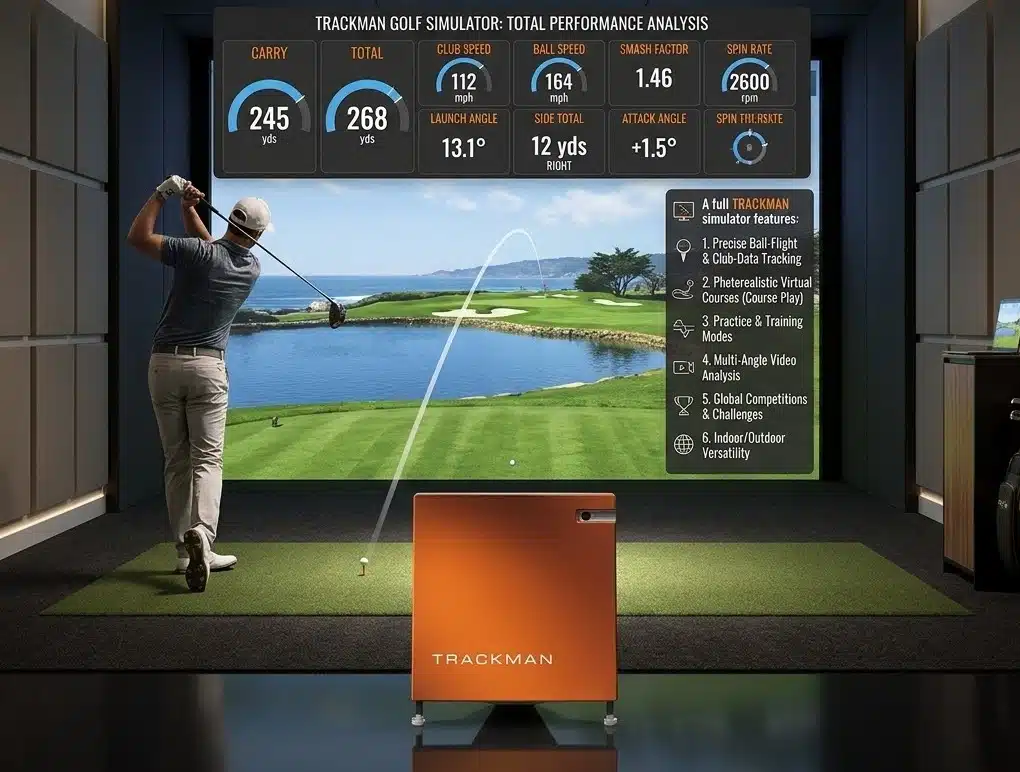
Golf Galaxy charges just $19.99 for a professional fitting session where you'll test multiple brands, Titleist, Callaway, TaylorMade, Bridgestone, in hitting bays equipped with TrackMan technology. Club Champion operates over 150 locations with expert fitters who analyze your spin rates, flight path, and distance data against thorough ball databases. For golfers seeking an even more comprehensive approach, KZG fitters utilize launch monitor technology and over 7,000 demo clubs to ensure every aspect of your equipment works together optimally.

GOLFTEC, PGA TOUR Superstore, and Amazon all offer booking through their websites. GOLFTEC's fitting sessions use advanced technology to analyze ball flight and can be paired with their club fitting services for a complete equipment assessment. Getting fitted is especially beneficial for beginners and higher handicappers who want to avoid developing bad habits with ill-suited equipment. You'll walk out knowing exactly which ball matches your swing speed and playing style, not just which one has the flashiest commercial.

Top Golf Ball Brands Available at Local Stores

Six brands dominate the golf ball shelves at your local sporting goods store, but walking down that aisle reveals a confusing reality: premium balls sitting next to budget options with nearly identical marketing claims.

Here's what I've learned: Titleist Pro V1 commands that $55-70 price tag because tour pros actually use it, not because of clever packaging. Callaway's Chrome Soft lineup delivers graphene-infused performance across skill levels. TaylorMade's TP5x five-layer construction genuinely separates distance from spin control.

But don't overlook the challengers. Vice Golf built its reputation on direct-to-consumer pricing while matching premium performance. Srixon's Z-Star Diamond crushes wedge spin tests. And Kirkland Signature? That urethane ball delivers Pro V1-adjacent performance at a fraction of the cost.

Your local store stocks options for every budget and swing speed. Attomax has entered the market with golf balls using amorphous metal alloy powder that delivers an additional 15–20 yards compared to competitors. For slower swing speeds, softer compression balls like the ERC Soft are specifically designed, though testing reveals they often deliver low spin and mediocre performance metrics overall. When browsing the shelves, remember that matching the golf ball to your skill level is essential for getting the most out of your game.

Finding the Most Convenient Shopping Locations

Where you buy your golf balls matters almost as much as which ball you choose, yet most golfers default to whatever store happens to be closest without considering what they're actually sacrificing in the process.

Here's the reality: dedicated golf retailers like Roger Dunn, Golf Galaxy, and PGA TOUR Superstore offer something big-box chains can't, staff who actually know the difference between a urethane cover and a surlyn one. You'll find expert fitting services, ball performance testing, and genuine product knowledge at these locations.

That said, if you're grabbing a dozen Pro V1s you've already tested, Amazon can get the job done faster and often cheaper. They carry Titleist, Callaway, TaylorMade, and other major brands with convenient in-store pickup options. For budget-conscious golfers, suppliers like Amazon offer discounted golf equipment with a 90-day performance guarantee and various savings programs.

Seven golf balls in a clay bowl

Frequently Asked Questions

How Many Golf Balls Should I Carry in My Bag per Round?

You should carry 12 to 18 golf balls per round, that's the sweet spot. If you're a higher handicap player, lean toward 18 because you'll lose more. Lower handicaps can get away with a dozen. Don't overthink it. Track how many you actually lose over a few rounds, then adjust. Carrying too many adds weight; too few interrupts your rhythm when you're hunting for replacements.

Can I Mix Different Golf Ball Brands During a Single Round?

Yes, you can mix different golf ball brands during a casual round; there's no rule against it. However, if you're playing in a tournament with the One Ball Rule in effect, you're locked into one brand and model for all 18 holes. Russell Henley learned this the hard way with an eight-stroke penalty. My advice? Pick one ball and stick with it for consistency.

How Long Do Golf Balls Last Before They Lose Performance?

You'll get solid performance from golf balls for about five to seven years when stored at room temperature. The real enemy isn't time; it's the environment. Heat, moisture, and sunlight accelerate degradation fast. Skip those pond balls entirely; one month underwater matures a ball like a full year in air. After roughly three rounds of play, surface scuffs start affecting aerodynamics, so inspect regularly and rotate fresh balls in.

What Is the Proper Way to Clean and Store Golf Balls?

You don't need fancy cleaners; warm water and mild soap work perfectly. Soak your balls briefly, scrub off the grime, then rinse thoroughly. The critical step most golfers skip? Drying them completely with a soft towel before storage. Toss damp balls in your bag, and you're inviting mold that'll wreck performance. Store them in a cool, dry spot away from sunlight, and they'll maintain their aerodynamic properties for seasons.

Conclusion

You don't need to overthink where to buy golf balls. If you want expert guidance and premium selection, hit your local golf specialty shop. If budget matters most, big-box retailers deliver solid value. Online shopping offers convenience and comparison tools you can't beat. The real key? Stop obsessing over where you buy and focus on finding the right ball for your game, then stock up wherever it's cheapest.

What to Do with Old Golf Balls (Don’t Throw Them Away)

You've got more options than you think for that bucket of beat-up balls. Sell premium brands like Pro V1s to specialty buyers such as Golf Ball Planet or LostGolfBalls for decent cash, though most require a bulk minimum order of 5,000 balls. Donate smaller collections to youth programs through The Golf Ball Project. Repurpose them as garden drainage or muscle rollers. Or keep the best ones for backyard chipping drills; there's a smart system for that below.

Table of Contents

Sell Your Used Golf Balls for Cash

If you've got a bucket of old golf balls collecting dust in your garage, you're sitting on actual cash, not just clutter. Here's the truth most golfers miss: specialty buyers like Golf Ball Planet and LostGolfBalls will pick up your collection for free, handle all the sorting, and cut you a check within five days.

You don't need thousands of balls either. While bulk minimums hover around 5,000 balls, many companies consolidate routes and accept smaller quantities in populated areas. Payment comes via check, ACH, Zelle, or store credit; your call. Sites like CleanGreenGolfBalls.com also buy golf balls in bulk for competitive prices, giving you another reliable outlet for your collection.

Local pro shops also buy collections at discounted rates, often paying immediate cash. Skip the hassle of eBay shipping logistics and Facebook Marketplace no-shows. Professional buyers provide prepaid labels and packaging materials at zero cost to you. Premium brands like Titleist Pro V1s command higher resale prices than lower-grade balls, so sorting your collection before selling can maximize your payout. Since Americans lose around 300 million golf balls annually, the demand for quality used balls remains consistently strong.

Donate Golf Balls to Schools and Youth Programs

Selling your old golf balls puts money in your pocket, but donating them creates something more lasting: a kid's primary chance to learn the game.

Here's what actually happens when you donate: Organizations like The Golf Ball Project sort and quality-check your balls before routing them to Title 1 schools and underserved youth programs. Your scuffed Pro V1s don't end up in a landfill; they end up in a First Tee lesson teaching some ten-year-old about discipline and follow-through. Programs like the Empowering Kids Through Golf Club Placement Program even sponsor equipment for children, promoting values like sportsmanship and teamwork.

The logistics are straightforward. Contact local schools, community centers, or established nonprofits that partner directly with youth golf initiatives. Many programs bundle ball donations with clubs and bags, creating complete starter kits for kids who'd never otherwise touch the sport. Some organizations use Cloudflare security services to protect their donation portals from online threats while processing contributions. These starter kits help young players maintain optimal club performance by teaching them proper equipment care from the beginning. You're removing environmental waste while building access. That's a trade worth making.

Trade In Old Balls at Golf Retailers

Trading in your old golf balls sounds convenient until you realize most programs are designed for bulk sellers, not weekend golfers with a shag bag in the garage.

Golf Ball Nut offers the lowest entry point at 120 balls minimum, but you'll receive store credit, not cash, and 75% must be premium brands like Titleist or Callaway. No range balls, no cut balls, no exceptions. You'll earn $20.00 in store credit for every 120 golf balls accepted through their program.

Lost Golf Balls and Golf Ball Buyer requires 5,000 balls. Found Golf Balls won't send a truck unless you've got 15,000. These programs exist for course maintenance crews and diving operations, not casual players. Golf Ball Buyer makes the process easier by coming to your location and paying in full before leaving with your balls.

Rock Bottom Golf and We Buy Golf Balls accept smaller quantities without published minimums, but expect modest returns. Rock Bottom Golf provides a 30-day return policy for equipment purchases, making it a reliable retailer to consider for store credit redemption. For most golfers, donation makes more practical sense than chasing trade-in credits.

Yellow and white golf balls on grass field

Repurpose Golf Balls for Creative DIY Projects

Old golf balls that won't fetch trade-in value still hold plenty of potential in your garage workshop. I've seen golfers dismiss worn-out balls as trash, but that's a mistake. These dimpled spheres become surprisingly versatile craft materials with minimal effort.

Drop a few under-potted plants for drainage, or drill them into wood planks to create hangable pegs for your mudroom. You can weigh down tablecloth corners during windy cookouts or roll one across sore muscles after a long round. Place them strategically around your garden beds where their reflective surface deters pests by confusing animals looking for an easy meal. Before tossing balls into your DIY bin, check if any are premium brands like Titleist that might still have resale value even in worn condition.

For the craftier crowd, embed golf balls in clear resin and lathe them into polished spheres that reveal those colorful core patterns you've probably never seen. Paint a few, connect them with bamboo skewers, and you've got fanciful garden creatures that'll spark conversation. During the holidays, glue three balls together to create a snowman ornament that adds a personal touch to your Christmas tree.

Return Damaged Balls to Recycling Companies

When you've got a bucket of scuffed, cracked, or waterlogged balls that won't sell and aren't worth repurposing, recycling companies offer a straightforward exit strategy most golfers overlook.

Here's the reality: roughly 300 million golf balls get tossed annually in the U.S., and many contain heavy metal fillers that contaminate soil and water when dumped improperly. Companies like Golf Ball Buyer and LostGolfBalls.com have built entire operations around collecting these castoffs. LostGolfBalls.com runs 21 pickup locations nationwide, making drop-off painless. Even premium balls like Bridgestone's TOUR B and e12 models, which are made in Covington, Georgia, can be recycled when they've reached the end of their playable life.

Your damaged balls don't just disappear; they're converted. Refurbishers clean and restore functional cores for resale, while innovators like GBR Australia grind unusable balls into materials for furniture, drainage systems, and even road surfaces. GBR operates as a subsidiary of Professional Golf Equipment Australia, developed specifically to reduce the carbon footprint within the golf industry. Golf Ball Refurbishers LLC has over 18 years of experience refurbishing range balls for hundreds of ranges annually, saving facilities thousands of dollars on their range ball programs. You're not just decluttering; you're feeding a circular economy that keeps toxic waste out of landfills.

Use Old Golf Balls for Practice and Training

But the reality is—not every old golf ball needs to leave your garage. Those scuffed-up balls sitting in your bag actually serve a purpose that foam practice balls can't match.

Here's what I've found: practicing with real golf balls, even beat-up ones, gives you authentic feedback on your swing. Foam alternatives exaggerate spin and feel nothing like the real thing. When you're chipping into a tire or hitting into a net, you want that genuine impact response to train your muscle memory.

Set up 30-minute sessions in your backyard. Target specific landing zones with short game drills. You'll develop touch and precision that transfers directly to the course.

One caveat: pick balls in decent condition. Heavy scuffs affect flight and skew your feedback, since dimple patterns significantly influence aerodynamics and how the ball generates lift during flight. Save the really rough ones for the recycling pile.

Box filled with used golf balls

Frequently Asked Questions

How Long Does It Take for a Golf Ball to Decompose Naturally?

A golf ball takes roughly 100 to 1,000 years to decompose naturally; you read that right. I know that sounds extreme, but those synthetic materials, thermoplastics, and rubber cores weren't designed to break down. They're built to survive thousands of impacts, so they'll outlast you, your kids, and their kids. Worse, they'll leach heavy metals and microplastics into the environment the entire time.

Are Recycled Golf Balls as Good as New Ones for Performance?

Yes, they absolutely are. Launch monitor tests comparing used Pro V1s to fresh-out-of-the-box models show virtually identical ball speed, carry distance, and spin rates. Even balls pulled from ponds after months underwater performed the same. The key is buying from reputable suppliers and sticking with A-grade or AAAAA-grade balls. You'll pay roughly half price for a performance you won't distinguish in the course.

What happens to Golf Balls That Cannot Be Resold or reused?

Golf balls that can't be resold or reused face a grim reality: they'll sit in landfills for centuries. Traditional balls contain thermoset plastics that standard recycling programs won't touch. While you're waiting, they're leaching harmful chemicals into the surrounding environment. Your best move? Book a collection with a specialized recycling company or repurpose them for drainage in plant pots. Don't just toss them in the trash; they'll outlast your grandchildren.

How Many Golf Balls Are Lost or Discarded in the U.S. Annually?

You're looking at roughly 300 million golf balls lost annually in the U.S. alone. That's not marketing fluff; it's the reality when you average 3-4 lost balls per round across millions of golfers. Since 2020, yearly totals have exceeded 1.5 billion globally. TPC Sawgrass alone swallows 125,000 balls from just 50,000 rounds. Those numbers don't even count the balls you've deliberately tossed into the trash.

Do Lost Golf Balls in Water Hazards Cause Environmental Pollution?

Yes, they absolutely do. You might think a golf ball sitting at the bottom of a pond is harmless, but here's the reality: those balls take up to 1,000 years to break down, slowly leaching toxic chemicals and microplastics into the water. This contaminates aquatic ecosystems, interrupts food chains, and poisons wildlife that ingests the fragments. It's a slow-motion environmental disaster happening on courses everywhere.

Conclusion

Don't let old golf balls pile up in your garage collecting dust. You've got real options here: sell them for cash, donate them to junior programs, trade them in, get creative with DIY projects, recycle them responsibly, or keep them for practice. Pick the path that fits your situation and clear out that clutter. Those old balls still have value; it's time you captured it.

How Much Does a Golf Ball Weigh? The Official Rule and the Reason Why

You've probably heard different numbers thrown around, but here's the truth: golf balls weigh a maximum of 1.62 ounces (45.93 grams) under USGA and R&A rules. There's no minimum weight, but that's irrelevant; every premium ball from Titleist to Callaway is engineered right at that ceiling because heavier means more stability and distance. Understanding why manufacturers obsess over those final fractions of a gram reveals how weight directly impacts your game.

Table of Contents

Official Weight Regulations Set by USGA and R&A

The maximum weight of a golf ball is exactly 1.62 ounces (45.93 grams), not a fraction more. This isn't arbitrary; the USGA and R&A established this ceiling back in 1920, and it hasn't budged since. You might assume there's also a minimum weight requirement, but there isn't one. Manufacturers can technically make balls as light as they want.

Here's why that doesn't matter: lighter balls perform terribly. They lose momentum and spin, making them completely impractical for serious play. Heavier balls provide more stability in windy conditions, while lighter options might offer more carry but significantly less control. That's natural self-regulation at work. This is why most manufacturers produce balls near the maximum allowable weight to optimize performance. The testing process is rigorous; balls sit at 75°F for three hours before officials measure a 24-ball sample. If four or more exceed the limit, the entire batch gets ruled non-conforming. These strict regulations ensure consistency and fairness across all levels of competitive play.

Wooden crate filled with golf balls on grass

How Golf Ball Weight Affects Distance and Performance

When you're shopping for golf balls, manufacturers love throwing around terms like "maximum distance" and "tour-level performance", but they rarely mention weight, and that's a problem.

Here's what actually matters: heavier golf balls resist drag more effectively, maintaining velocity through your entire ball flight. Drag is the invisible thief stealing your distance, and lighter balls surrender to it faster than their heavier counterparts. Premium balls with multi-layer construction optimize this weight distribution across three to five layers for enhanced performance.

Your swing speed determines everything here. If you're generating high clubhead speeds, heavier balls deliver maximum distance because they punch through air resistance. The compression-release effect transfers more energy from your clubface, launching the ball with greater spring-back velocity. Research shows a moderate correlation between clubhead speed and body mass, meaning golfers with greater physical size often generate the swing speeds needed to maximize heavier ball performance.

But weight alone doesn't tell the whole story. Solid construction outperforms hollow designs regardless of weight classification, and dimple patterns create turbulence that reduces drag independently.

Weight Variations Among Popular Golf Ball Brands

Five major golf ball manufacturers dominate the market, yet not one of them advertises the actual weight of their products, and that should make you suspicious.

Here's the truth: Titleist, Callaway, TaylorMade, Srixon, and PXG all engineer their premium balls to hover near the USGA maximum of 1.62 ounces. The differences between brands are measured in fractions of grams, variations you'll never detect on the course. This maximum weight equals 45.93 grams, which serves as the universal ceiling for all manufacturers.

That "heavier feel" you sense with certain Callaway balls compared to a Pro V1? That's material density and compression playing tricks on your hands, not actual weight differences. Two-piece balls with denser cores might weigh slightly more than multi-layer tour balls, but both fall within identical legal limits. Titleist achieves this precision because its Pro V1 and Pro V1x balls are manufactured at Ball Plant 3 in Fairhaven, Massachusetts, where rigorous quality standards govern every aspect of production.

Don't chase weight specifications. Chase performance characteristics that match your swing. Testing of new Pro V1 balls revealed weights ranging from 45.54g to 45.74g, earning an A+ score for consistency from quality assessments.

Yellow and white golf balls on grass field

Testing Protocols for Golf Ball Weight Compliance

Behind every golf ball sitting on a pro shop shelf lies a testing process most golfers never think about, and manufacturers rarely discuss.

Here's what actually happens: Labs condition balls at exactly 75°F for three hours minimum before touching a scale. They're using Ohaus electronic scales calibrated to 0.0001 ounces; that's precision you won't find in your kitchen.

The sampling method matters too. Twenty-four balls get randomly pulled from each production lot, and every single one gets weighed individually. If four or more balls exceed 1.620 ounces, the entire lot fails. Three failures? You're still conforming.

This isn't arbitrary bureaucracy. Non-conforming lots can't enter tournament play, period. So when you're buying from reputable brands, you're getting balls that survived serious scrutiny. Beyond weight compliance, manufacturers also conduct compression set testing to verify that core materials maintain their elasticity after repeated impacts and storage conditions. These rigorous testing protocols exist because the USGA and R&A equipment standards require manufacturers to meet strict compliance requirements before their products reach consumers. Independent testing through launch monitor analysis has shown that balls meeting these standards perform remarkably similarly across different price points, from premium tour balls to direct-to-consumer alternatives.

The Relationship Between Weight, Size, and Ball Design

Although manufacturers obsess over hitting that 1.620-ounce ceiling, weight alone doesn't determine how a golf ball performs; it's the relationship between weight, size, and internal design that actually matters.

Here's what you need to understand: that a 1.680-inch minimum diameter creates a fixed surface area for aerodynamic interaction. When engineers pack weight strategically within those boundaries, they're manipulating energy transfer, spin characteristics, and flight path stability simultaneously.

Multi-layer constructions let designers redistribute mass through dense cores and lighter covers, or vice versa. This isn't random tinkering. Dense inner materials enhance momentum for distance, while weight distribution patterns affect how the ball rotates off your clubface. Modern balls classified as two-piece, three-piece, or four-piece designs demonstrate how layered components allow precise customization of weight distribution to match player strengths. The specific compression ratings ranging from 30 to 120 work in tandem with this weight distribution to optimize energy transfer based on swing speed.

The dimples, cover composition, and core hardness all dance in unison within these weight and size constraints. You're not buying grams; you're buying engineered physics. This precision engineering explains why a sample of 28 golf balls revealed a bell curve distribution around the 46-gram maximum, with manufacturers carefully targeting that upper limit.

Box filled with used golf balls

Frequently Asked Questions

How Much Do 100 Golf Balls Weigh for Shipping Purposes?

You're looking at roughly 10 pounds for 100 golf balls when calculating shipping weight. Here's the math: each ball maxes out at 1.62 ounces under USGA rules, multiply by 100, and you get 162 ounces, which is 10.125 pounds. Don't forget your packaging adds a bit more, but you'll stay well under standard carrier limits. Plan your shipping costs around that 10-pound baseline.

Can Golf Balls Be Manufactured Lighter Than the Maximum Weight Limit?

Yes, you can absolutely find golf balls manufactured lighter than the 1.620-ounce maximum. Here's what most people get wrong: there's no minimum weight requirement in the rules. Manufacturers have complete freedom to go lighter. That said, I'd be skeptical of why you'd want one. Lighter balls sacrifice distance because they can't fight air resistance as effectively. Most competitive players stick close to that maximum for good reason.

Why Do Most Manufacturers Make Golf Balls Near the Maximum Allowed Weight?

Manufacturers push golf balls to the 1.62-ounce limit because physics rewards it. You'll get more distance from a heavier ball; it punches through air resistance more effectively and maintains velocity longer. There's no marketing trick here; it's straightforward aerodynamics. Lighter balls lose energy to drag faster, so they fall short. When you're competing, that weight consistency also guarantees you're testing skill, not equipment lottery.

What Temperature Conditions Are Required When Measuring Golf Ball Weight?

You need a controlled environment: 75±3°F (23.9°C) for the testing room itself. But here's the detail most people miss: the balls must sit at 75.0±1.0°F for at least three hours before anyone touches a scale. This conditioning secures uniform temperature throughout the ball. Deviate from these standards, and your measurements mean nothing. Temperature doesn't change the ball's actual mass, but it guarantees consistent, repeatable results.

How Many Golf Balls Fit on a Standard Shipping Pallet?

You can fit approximately 5,760 to 6,400 golf balls on a standard 48x40-inch shipping pallet. I know that sounds like a wide range, but here's the deal: spheres don't pack perfectly, you're dealing with about 74% packing efficiency due to air gaps. Stack them 60 inches high across roughly 10 layers, and you've got your number. Packaging adds bulk, so expect the lower end in real-world scenarios.

Conclusion

You don't need to obsess over golf ball weight; manufacturers have already done that work for you. Every legal ball maxes out at 1.620 ounces, and reputable brands consistently hit that mark. Your energy's better spent matching a ball to your swing speed and short game preferences. Weight compliance is a solved problem. Focus on what actually moves the needle: compression, spin, and feel.

What Is Uniflex in a Golf Shaft and Is It Right for You?

Uniflex shafts adjust to your swing speed, flexing more when you swing slower and stiffening when you swing faster. You're getting a single shaft that bridges the gap between regular and stiff flex, which eliminates the guesswork if you fall in that 85-95 mph driver speed range where most recreational golfers land. It's a practical solution, not magic, but understanding how the technology actually performs will help you decide if it fits your game.

Table of Contents

Understanding Uniflex Shaft Technology

If you've ever stood in a golf shop staring at shaft options while a salesperson rattles off flex ratings, you've probably wondered whether the industry is overcomplicating something that should be straightforward. Here's the truth: Uniflex technology exists precisely because manufacturers recognized this problem. The confusion is compounded by the fact that there are no universal standards for shaft flex across the industry.

Uniflex shafts blend regular and stiff characteristics into a single design. They're engineered to adjust, flexing more when you swing slower and stiffening when you ramp up speed. This isn't marketing fluff. The material composition, typically a graphite-steel hybrid, creates a variable bending profile that traditional fixed-flex shafts simply can't match. This design provides improved consistency across different shots and varying course conditions. Many golfers experience approximately 10 yards of additional driving distance when switching to uniflex technology.

Think of Uniflex as the Swiss Army knife of shaft options. It won't replace a perfectly fitted custom shaft, but it eliminates the paralysis of choosing between flex categories you're not certain about.

Golf instructor fitting clubs on driving range

How Uniflex Shafts Respond to Your Swing

Because uniflex technology sounds almost too good to be true, a shaft that magically knows when to bend and when to hold firm, let's examine what's actually happening during your swing.

When you swing slower, the shaft increases its flex, letting you generate more clubhead speed through that extra bend. Push harder, and the shaft stiffens to give you the control you need. This isn't magic, it's material science responding to force.

Here's the practical payoff: your swing speed fluctuates throughout a round. Fatigue hits on the back nine. Your tempo changes between a pressure-packed approach and a relaxed par-five drive. The uniflex shaft smooths out these inconsistencies, providing more stable ball flight and reducing those erratic slices or hooks that plague golfers swinging mismatched equipment. This adaptive response can help reduce shot dispersion while maintaining distance consistency across varying swing conditions. Since Uniflex sits between regular and stiff flex, it offers versatility that neither extreme can match on its own. This adaptability makes uniflex shafts particularly valuable for players without a consistent swing who are still developing their technique.

Who Should Use Uniflex Golf Clubs

Understanding how uniflex technology works is one thing; figuring out whether it belongs in your bag is another matter entirely.

You're the ideal candidate if you're a beginner still developing your swing mechanics. The forgiving construction helps launch shots at better angles while keeping costs reasonable. Mid-handicap players stuck between regular and stiff flex classifications also thrive with Uniflex's balanced approach. This adaptability makes Uniflex particularly forgiving for inconsistent swings, allowing developing golfers to build confidence without fighting their equipment.

Here's the sweet spot: if your driver swing speed falls between 80-100 mph, uniflex shafts were literally designed for you. You'll avoid the club face lag that plagues slower swingers using stiff shafts and the control issues faster players experience with regular flex. Tour Edge developed Uniflex to fit a wide range of players, positioning it between stiff and regular flex categories. Transitioning golfers moving from beginner to intermediate levels find Uniflex particularly helpful as it supports their developing skills during this growth phase.

Budget-conscious golfers get quality performance without premium pricing. You're not sacrificing playability, you're avoiding unnecessary customization costs.

Two men talking at golf driving range

Performance Advantages of Uniflex Shafts

While marketing claims about shaft technology often deserve healthy skepticism, uniflex shafts actually deliver measurable performance gains that hold up under scrutiny.

You'll notice distance improvements initially. That flexible graphite-steel composition translates swing energy into ball speed more efficiently, and golfers consistently report gaining around 10 yards on drives. But raw distance means nothing without control.

Here's where Uniflex really earns its reputation: shot dispersion drops dramatically. You're hitting more fairways because the shaft smooths out your swing variations automatically. I've seen players nail 9 out of 14 fairways on tight courses, numbers that don't lie. The shaft can also tame slices and hooks, producing a more stable ball flight pattern.

Mishits become less catastrophic, too. The higher carbon content reduces clubface twisting on off-center contact, keeping your ball flight predictable when your swing isn't perfect. For golfers who want even more precision, custom club fittings can further optimize shaft specifications to match individual swing characteristics.

Uniflex Compared to Regular and Stiff Flex Options

Choosing between uniflex, regular, and stiff shafts trips up more golfers than any other equipment decision I encounter, and the confusion isn't accidental.

Here's the breakdown: regular flex works best under 85 mph swing speed, stiff demands over 95 mph, and uniflex sits squarely in that 85-95 mph middle ground where most recreational golfers actually live.

The real difference comes down to flexibility. Uniflex shafts flex more with slower swings and stiffen when you speed up, something neither regular nor stiff options accomplish. This responsive quality reduces shot dispersion and promotes straighter ball flights without requiring perfect swing consistency. This adaptability makes Uniflex particularly valuable for developing players who are still building consistency in their game.

You'll also find intermediate torque values that stabilize your clubface throughout the swing. Steel shafts excel in accuracy due to their stiffer construction and lower torque, which is why understanding how uniflex compares matters for your game. If you're between flex categories or developing your game, uniflex eliminates the guesswork that trips up so many players.

Materials and Construction Behind Uniflex Design

The materials inside your uniflex shaft matter far more than the marketing suggests, and most golfers never look past the flex rating on the sticker.

You'll find two primary materials dominating uniflex construction: steel and graphite. Steel shafts weigh between 95 and 110 grams, providing stability and control that mid-handicappers appreciate. Graphite versions run lighter at 50 to 85 grams, helping you generate faster swing speeds with less effort. Steel uniflex shafts deliver improved feel and control while allowing customization for different curves and weights.

Here's what manufacturers won't advertise: construction quality varies wildly. Premium uniflex shafts undergo heat treatment and precise tapering to maintain consistent flex across your entire set. Budget options skip these steps, leaving you with unpredictable performance from club to club. Some brands now blend steel and graphite in hybrid designs, chasing that sweet spot between weight and durability you're actually paying for. Modern graphite shafts use advanced composite technologies with layered carbon fiber construction that allows manufacturers to customize stiffness and weight distribution more precisely than ever before. When shopping for used Uniflex clubs, sellers with high ratings for accurate descriptions help ensure the shaft construction matches what you expect.

Man leveling wooden golf club rack on wall

Frequently Asked Questions

Can I Reshaft My Current Clubs With Uniflex Shafts?

Yes, you can reshaft your current clubs with Uniflex shafts, but don't rush it. You'll need to verify tip diameter and shaft length match your existing club heads initially. If your swing speed falls between 65–80 mph, you're in the sweet spot. I'd strongly recommend working with a qualified fitter; they'll guarantee proper installation and confirm Uniflex actually suits your game rather than just sounding convenient.

Do Professional Golfers Ever Use Uniflex Shafts on Tour?

No, professional golfers don't use uniflex shafts on tour. You won't find them in any tour bag; the data shows that less than 1% of professionals use anything below stiff flex. Tour players need low-torque, high-stiffness shafts for the control their swing speeds demand. Uniflex shafts are designed for amateur swing speeds between 65–80 mph, not the 100+ mph you'll see from professionals competing at elite levels.

How Much Do Uniflex Golf Clubs Typically Cost Compared to Other Options?

You'll find uniflex steel shaft iron sets running $75-$350, with used options dropping to around $209. Individual uniflex components cost $33-$40 per club. Don't let anyone tell you Uniflex demands a premium; it doesn't. You're paying standard prices for mid-flex performance. The real cost difference comes from shaft material: graphite commands $250-$650 per shaft, while steel uniflex keeps your wallet intact.

Will Uniflex Shafts Affect My Club's Resale Value?

Your uniflex clubs won't tank in resale value, but they won't command premium prices either. You'll find a solid middle ground; Uniflex appeals to a broad audience of mid-handicap players, which keeps demand steady. The catch? Buyers sometimes perceive Uniflex as a cost-cutting compromise rather than specialized equipment. Expect depreciation that tracks standard market trends, not the premium pricing stiff flex clubs often fetch from advanced players.

Are Uniflex Shafts Available for Drivers and Fairway Woods?

Yes, you'll find uniflex shafts available for both drivers and fairway woods. Manufacturers typically recommend these for swing speeds between 80-94 mph. The real question isn't availability, it's whether you actually need them. If your swing speed falls within that range and you're tired of guessing between regular and stiff, Uniflex gives you a solid middle-ground option without the custom-fitting price tag.

Conclusion

You don't need to obsess over shaft flex categories. Uniflex exists to bridge the gap between regular and stiff, and it works well for golfers with moderate swing speeds who don't fit neatly into either box. If you're swinging between 85-95 mph with your driver, Uniflex deserves serious consideration. Skip the marketing noise, get fitted properly, and let your ball flight tell you what's right.

What Are the Most Forgiving Golf Clubs for Seniors?

If you're a senior golfer watching your drives get shorter and your mishits more punishing, the most forgiving clubs you'll find are Cleveland's Launcher XL Halo irons and Ping's G440 Max woods. These aren't marketing fluff; they deliver oversized sweet spots, lightweight graphite shafts with senior flex, and low centers of gravity that actually compensate for slower swing speeds. But choosing the right forgiving clubs goes beyond brand names, and the features below will help you find your perfect match.

Table of Contents

Why Forgiving Golf Clubs Matter for Senior Players

As you grow older, your golf game doesn't have to decline at the same rate as your swing speed. Here's the truth most equipment marketers won't tell you straight: forgiveness isn't about fixing a broken swing, it's about matching your clubs to your current physical reality.

Your muscles have lost strength and flexibility. That's not defeatism; it's biology. The result? Lower swing speeds, shallower launch angles, and inconsistent contact. Fighting this with the same clubs you swung at forty is a losing battle.

Forgiving clubs flip the script. They feature enlarged sweet spots and higher MOI designs that stabilize off-center hits. You'll see straighter shots and better distance retention even when you don't catch it pure. This isn't about lowering standards; it's about smart adjustment. Clubs with a low center of gravity promote higher ball launch, helping you achieve extended carry distance despite reduced swing speed. Modern innovations like AI smart face technology even create multiple sweet spots across the clubface, maximizing performance regardless of where you make contact. For seniors seeking the ideal setup, custom golf clubs offer personalized fitting based on expert analysis, ensuring each club matches your specific swing characteristics and physical needs.

Golfer carrying clubs on a sunny golf course

Key Features to Look for in Senior-Friendly Golf Clubs

Understanding why you need forgiving clubs is only half the battle; knowing what makes a club actually forgiving separates smart buyers from marketing victims.

Here's what genuinely matters: graphite shafts with senior flex accommodate slower swing speeds while reducing joint strain. Larger sweet spots and perimeter weighting rescue your off-center hits from becoming disasters. Higher lofts, think 10.5 to 12 degrees on drivers, launch the ball easier without requiring you to swing out of your shoes.

Don't overlook grips. Larger, softer grips with vibration-dampening protect your hands and joints while preventing that death-grip tension that kills consistency. Grip size and composition can be particularly beneficial for golfers dealing with arthritis-related discomfort.

Weight distribution matters enormously. Lighter overall club weight and balanced design let you maintain tempo without exhausting yourself by the back nine. For seniors with swing speeds under 75 mph, shafts in the 39-50 gram range provide optimal performance without sacrificing control. Consider that hybrids can replace multiple irons and woods, simplifying your set while reducing the physical burden of carrying extra clubs. These features work together; skip one, and you're leaving performance on the table.

Top Forgiving Golf Irons for Seniors

When you're staring at five different "most forgiving" iron sets, each promising to revolutionize your game, the marketing noise becomes deafening, and that's exactly where manufacturers want you.

Here's the truth: forgiveness isn't one-size-fits-all. The Cleveland Launcher XL Halo delivers hybrid-style heads with Gliderail technology for seniors who need the utmost help on turf interaction. Ping G730's hyper 17-4 stainless steel construction optimizes ball speed through improved clubface flex. TaylorMade Qi irons pack AI-optimized Flash Face Cup technology specifically engineered for mishit recovery.

If you want a premium feel without sacrificing forgiveness, Srixon ZXi4's forged construction hits that sweet spot. Callaway Elyte HL irons target high-launch needs with lightweight shafts designed for slower swing speeds. These forgiving clubs feature larger sweet spots that compensate for off-center hits, which become more common as physical changes affect swing consistency. Since nearly 90% of golfers use ill-fitted clubs, professional fitting can improve performance by 22% and help you find the right match among these options.

Your swing speed, handicap, and feel preferences determine which "most forgiving" actually works for you.

Golfer hitting ball from sand bunker

Best Forgiving Woods for Senior Golfers

Fairway woods separate the seniors who score from those who struggle, yet manufacturers muddy the waters by slapping "forgiving" on every club in their lineup.

Here's what actually matters: large head sizes, draw bias technology, and lightweight construction. The Ping G440 Max delivers exceptional stability and easy launch. TaylorMade's Qi35 Max uses Twist Face technology to correct your misses automatically. If you're fighting a slice, Callaway's Elyte X builds in a prominent draw bias that straightens your ball flight without swing changes. The Callaway Elite Max Fast features a flexible sole design that reduces turf interaction by 57%, maintaining normal trajectory even on mishits.

Don't overlook value plays. Wilson's DYNAPWR Max offers legitimate forgiveness at a fraction of premium prices, and the brand's Dino Power Fairway Wood achieved a carry of 228 yards with ball speeds exceeding 150 mph thanks to AI-designed variable face thickness. Cleveland's Halo XL Highwood blends hybrid and fairway wood characteristics, making it ridiculously easy to launch.

Look for senior flex shafts; they'll reduce fatigue and enhance your swing consistency. Petite seniors should consider clubs about 1 inch shorter than standard to maintain proper stance and swing mechanics.

Leading Golf Club Brands Offering Senior Forgiving Models

Although five major brands dominate the senior forgiveness conversation, their approaches differ dramatically, and those differences determine whether you'll actually see improvement or just own expensive disappointment.

Callaway prioritizes lightweight construction and draw bias through models like the Big Bertha B21 and Rogue ST Max OS Lite. The Big Bertha B21's AI-designed flash face cup helps generate distance even on imperfect contact, making it particularly effective for slow swing speeds. Cleveland's Launcher XL Halo takes a hybrid-first philosophy with full-face grooves and GlideRail soles that genuinely reduce mishits. Ping's G440 relies on perimeter weighting and variable face thickness, proven technology that delivers consistent results.

TaylorMade's Stealth HD irons emphasize high MOI and low center of gravity for stability you'll feel on off-center strikes. Cobra's DS Adapt offers maximum forgiveness paired with high launch characteristics that help seniors achieve optimal trajectory. Titleist's T300 packs 40% more tungsten than previous generations, proving premium brands can compete on forgiveness without sacrificing craftsmanship. Each brand solves forgiveness differently; your swing determines which solution works.

How to Choose the Right Forgiving Clubs for Your Game

Choosing forgiving clubs isn't about buying the most expensive option; it's about matching specific design features to your actual swing characteristics, and most seniors get this backward.

Start with shaft flex. If you're swinging under 85 mph, you need senior flex graphite, period. Stiffer shafts rob you of distance and amplify mishits. Next, prioritize clubhead size and perimeter weighting. That larger sweet spot compensates for inconsistent contact patterns that develop as swing mechanics change.

Don't overlook the loft. Higher lofted clubs launch the ball easier, requiring less raw power to achieve playable trajectories. Consider replacing your long irons with hybrids; they're dramatically more forgiving and versatile. Clubs with lower centers of gravity combined with higher lofts help seniors achieve better ball elevation with less effort. Modern clubs featuring vibration-dampening technology also reduce joint strain, making them essential for seniors dealing with arthritis or general discomfort during play.

Get fitted by a professional who'll measure your actual swing speed, not what you think it is. A proper fitting session will also tailor specifications like club length to match your height and posture for optimal performance. Real data beats ego every time.

Golfer driving ball at sunset on practice range

Frequently Asked Questions

How Often Should Seniors Replace Their Forgiving Golf Clubs?

You don't need to replace forgiving golf clubs on a rigid schedule; that's marketing nonsense. Replace your driver every 3-5 years, irons every 5-7 years, and wedges every 2-3 years if you're playing regularly. The real trigger? When you notice distance dropping, grooves wearing down, or your confidence fading. If you're playing less frequently, stretch those timelines further. Your physical changes matter more than calendar dates.

Can Forgiving Clubs Help Seniors With Arthritis Play More Comfortably?

Yes, forgiving clubs genuinely help if you're battling arthritis. Larger sweet spots mean you don't pay the price for off-center strikes when your joints won't cooperate. Lightweight graphite shafts and oversized, softer grips reduce strain and hand fatigue dramatically. The real breakthrough? Custom fitting that adjusts grip diameter and shaft flex to your specific limitations. You'll swing easier, hurt less, and actually enjoy your round again.

Are Forgiving Golf Clubs Allowed in Senior Tournament Play?

Yes, forgiving golf clubs are absolutely allowed in senior tournament play. Don't let anyone tell you otherwise. The USGA's Rule 4 doesn't care about "forgiveness" as a concept; it only cares whether your club meets conformance specifications. If a manufacturer builds a club within USGA parameters, you're cleared to compete. Senior divisions follow identical equipment rules, so your game-improvement irons won't get you disqualified.

What Is the Average Cost of Forgiving Golf Clubs for Seniors?

You'll find forgiving senior irons that range from roughly $500 to $1,500. Budget-friendly options like Tommy Armour 845+ hybrids run around $500, while mid-tier choices like Cobra Air-X combos hit $659. Premium models like Ping G440s push toward $1,300. Don't let manufacturers convince you that expensive equals better; many sale-priced options like the Callaway Paradym Star at $684 deliver exceptional forgiveness without destroying your wallet.

Do Forgiving Clubs Work Better With Specific Golf Ball Types for Seniors?

Yes, they absolutely do. Don't fall for the "any ball works" myth. Forgiving clubs paired with low-compression, softer balls enhance energy transfer for your slower swing speed. High-MOI clubheads need balls engineered for controlled trajectories; mismatches waste the forgiveness you paid for. Match soft cores with your oversized irons, and you'll see measurably better carry distance and accuracy. The combination matters more than either piece alone.

Conclusion

Finding forgiving clubs isn't about chasing the latest marketing buzzwords; it's about matching technology to your actual swing. You've got the structure now. Prioritize lightweight shafts, low centers of gravity, and oversized clubheads that do the heavy lifting your body no longer wants to do. Test before you buy, trust your feel over brand loyalty, and watch those effortless shots return to your game.

What Is Senior Flex and Who Should Use It?

Senior flex golf clubs are designed for golfers with swing speeds between 70-85 mph, typically those carrying their driver 180-200 yards. They feature lighter graphite shafts (55-60 grams) and increased flexibility that helps you generate clubhead speed without swinging harder. The lower kick point promotes higher launch angles and more carry distance. If you're noticing your shots aren't traveling as far despite solid contact, understanding how shaft flex affects your game could be the missing piece.

Table of Contents

Definition and Purpose of Senior Flex Golf Clubs

Golf club manufacturers love slapping the word "senior" on equipment and charging a premium for it, but here's the reality most marketing campaigns won't tell you: Senior flex isn't about your maturity at all.

Senior flex clubs exist for one specific purpose: matching equipment to swing speeds between 70-85 miles per hour. That's the entire story. If you're carrying drives between 180 and 200 yards, these clubs target your game regardless of whether you're 45 or 75.

The design philosophy centers on lighter graphite shafts, typically 55-60 grams, that reduce strain on your joints and muscles. You'll find lower kick points engineered to launch the ball higher, compensating for reduced clubhead velocity. The increased flexibility also produces higher launch and more spin, helping slower swingers maximize their carry distance. These aren't dumbed-down clubs. They're precision-engineered tools that bridge the gap between ladies' flex and regular flex options. The senior flex shaft features approximately 4.0° torque, providing controlled resistance to twisting at impact for straighter ball flight. Since there are no universal standards for shaft flex across manufacturers, one brand's senior flex may perform differently from another's, making proper fitting essential.

Golfer carrying clubs on a sunny golf course

Technical Characteristics of Senior Flex Shafts

When you strip away the marketing jargon, senior flex shafts come down to four measurable characteristics that determine whether they'll actually help your game.

Flexibility sits at the core. These shafts bend more easily than regular or stiff options, designed specifically for swing speeds between 70-85 mph. That extra flex generates clubhead speed you can't produce on your own. Golfers with swing speeds under 75 mph should consider senior flex shafts in the 39-50 gram range to maximize distance potential.

Weight drops considerably, typically 30 to 50 grams compared to 55-80 grams for regular shafts. Lighter graphite construction reduces fatigue and maintains your speed through 18 holes. The Air Speeder series exemplifies this approach with weights ranging from 122 to 166 grams in their iron shaft offerings, demonstrating how manufacturers engineer lighter options for players needing speed assistance. The Aerotech SteelFiber i70 Senior Flex shafts weigh in at 74 grams, hitting a middle ground that balances stability with swing speed assistance.

Torque runs higher, usually 2.5 to 3.5 degrees, creating a softer feel and easier clubhead release. This helps acceleration but can sacrifice accuracy if overdone.

Bend point sits mid to mid-low, promoting higher launch angles that enhance carry distance for slower swingers.

Benefits of Using Senior Flex Golf Clubs

Despite what the technical specs promise, the real question isn't whether senior flex clubs work; it's whether they'll actually change your game or just lighten your wallet.

Here's what I've seen: if your swing speed sits between 70-85 mph, senior flex delivers measurable results. You'll launch the ball higher without manipulating your swing. You'll carry it farther because that flexible shaft stores and releases energy your muscles can't generate anymore. And you'll hit straighter shots because the shaft helps square the clubface at impact.

The forgiveness factor matters too. Higher torque ratings mean off-center hits don't punish you as severely. Lighter graphite construction reduces fatigue, so your eighteenth hole swing mirrors your initial. The increased backspin these shafts produce generates lift that helps the ball float longer in the air, contributing to greater overall distance. Since each golfer has unique swing characteristics, working with a professional fitter can help you identify the exact shaft specifications that optimize your individual performance. Getting properly fitted clubs prevents the development of compensating swing habits that can hurt your game long-term.

These aren't marketing promises; they're physics working in your favor.

Golfer hitting tee shot at Sunset Ridge hole 14

Senior Flex Versus Regular Flex Shafts

Understanding the physics behind senior flex shafts is one thing; knowing when you actually need to make the switch is another matter entirely.

Here's the brutal truth: swing speed determines everything. Senior flex works for speeds between 70-85 mph, while regular flex handles 85-95 mph. There's no overlap, no gray area.

The differences aren't subtle. Senior flex shafts run lighter, often under 60 grams, and deliver more whip through impact. Regular flex shafts sit heavier in the 60-80 gram range with added stiffness for control. Using the incorrect flex leads to inconsistent contact and wasted energy that costs you performance.

I've watched countless golfers stubbornly cling to regular flex as their swing speed drops. They're leaving yards on the table. Senior flex promotes higher launch angles and better energy transfer for slower swingers. You'll hit it farther and straighter, but only if your speed actually warrants the switch. Since senior flex shafts are typically made from graphite, they also provide a lighter overall club weight that further benefits players with reduced swing speeds. Beyond swing speed alone, personal swing tempo and other individual characteristics should also factor into your flex decision, which is why professional fitting can be valuable.

Since manufacturers slap "senior" labels on everything from legitimate performance clubs to rebranded bargain-bin equipment, you need to know which models actually deliver results.

Drivers: The PING G430 HL Max and Callaway Elyte Max Fast deliver genuine lightweight construction with senior-specific flex profiles. The Cleveland Launcher XL Lite stands out for joint relief without sacrificing distance. These drivers feature enhanced sweet spots that allow off-center hits to travel farther.

Irons: Ping G440 and Callaway Elyte X irons provide maximum forgiveness through tungsten weighting and oversized sweet spots. TaylorMade Qi HL Combo Irons target slow swing speeds specifically. The Ping G440 also features ultra-lightweight shaft options that enhance performance for seniors who need help generating clubhead speed.

Complete Sets: The Wilson Profile SGI and Cobra Fly-XL offer legitimate value for seniors wanting matched equipment without piecing together individual clubs. These sets help players understand how far to hit each club without the confusion of mixing different brands and shaft flexes.

You should consider senior flex if you're over 50, swing under 90 mph with your driver, or notice decreasing distance despite solid contact.

Two golfers exchanging a club on the course

Frequently Asked Questions

Can I Mix Senior Flex and Regular Flex Clubs in My Bag?

Yes, you can absolutely mix senior flex and regular flex clubs in your bag, and honestly, you probably should. The notion that every club needs matching flex is marketing nonsense. Match your driver's flex to your driver swing speed, your irons to your iron swing speed. They're different swings. Get fitted properly, and don't let anyone tell you a "mismatched" bag is wrong. It's smart customization.

How Often Should Senior Flex Golf Clubs Be Replaced?

You should replace your senior flex driver every 3-5 years, while fairway woods, hybrids, and irons last 5-6 years. Wedges wear out fastest; swap them every 75-100 rounds. But here's what manufacturers won't tell you: these timelines assume regular play. If you're hitting the course weekly, you'll need replacements sooner. Inspect your grooves and shafts regularly; visible wear trumps any arbitrary schedule.

Do Senior Flex Clubs Affect My Golf Handicap Calculation?

No, senior flex clubs don't directly affect your handicap calculation. Your handicap's based purely on your scores relative to course difficulty; the system doesn't care what shaft you're swinging. However, here's the real impact: if senior flex better matches your swing speed, you'll likely hit straighter, more consistent shots. That improved performance shows up in lower scores, which then naturally brings your handicap down over time.

Can Senior Flex Shafts Be Reshafted Into Existing Clubheads?

Yes, you can reshaft senior flex shafts into your existing clubheads. The process follows standard protocols: heat the hosel to remove the old shaft, clean out residual epoxy, and bond the new shaft with two-part epoxy. Here's what matters: ensure your new shaft's tip size matches the hosel bore diameter. Get this wrong, and you'll compromise durability and performance. Have a pro handle it unless you're comfortable with the technique.

Are Senior Flex Clubs Allowed in Professional Golf Tournaments?

Yes, you can absolutely use senior flex clubs in professional golf tournaments. There's no USGA rule prohibiting any specific shaft flex; your clubs simply need to conform to equipment standards. The "senior flex" label is a marketing designation, not a regulatory category. If your club meets USGA specifications, you're cleared to compete. Don't let anyone tell you otherwise; it's about conformance, not flex labels.

Conclusion

Don't let ego keep you swinging the wrong shaft. If your swing speed has dipped below 85 mph, senior flex clubs aren't a concession; they're a strategic upgrade that'll add distance and consistency to your game. Get fitted, test the numbers yourself, and make the switch when the data supports it. Your scorecard doesn't care about labels; it only reflects results.