
You'll find golf balls at specialty shops like Haggin Oaks or PGA TOUR Superstore for professional guidance, big-box retailers like Costco or Walmart for budget-friendly bulk options, or online at Lost Golf Balls and Golf Ball Planet for steep discounts on recycled inventory. The right choice depends on whether you need fitting knowledge, convenience, or just the lowest price per dozen, and understanding those trade-offs will save you money and strokes.
When you're hunting for premium golf balls, the sheer number of options can feel overwhelming, and that's exactly what manufacturers want. Golf specialty stores cut through this chaos by offering something big-box retailers can't: knowledge paired with inventory depth.
Take Haggin Oaks Golf Super Shop, they're stocking 15,000 square feet of gear with staff who'll actually match a ball to your swing, not just point you toward whatever's on sale. Their team includes certified clubfitting experts and PGA professionals who understand how ball selection impacts your overall game. They can help you navigate everything from compression ratings that range from 30 to 120, matching the right ball to your swing speed for optimal energy transfer. Smaller local shops like OC Golf Balls in Orange, CA, go even deeper, focusing exclusively on golf balls with selected options for serious players. Their knowledgeable staff guides golf ball selection to help customers find the right products for their specific game.
Worldwide Golf Shops backs purchases with a 90-day return policy, so you're not stuck if that premium dozen doesn't perform. That's real confidence, not marketing fluff.

But here's the reality most golfers won't admit: you don't need to spend $50 per dozen to play decent golf. Big-box retailers like Walmart, Target, Costco, and Sam's Club have completely altered the premium pricing game.
You'll find solid options from Callaway, Wilson, Titleist, and TaylorMade at these stores, often at prices that make specialty shops look absurd. Costco's Kirkland balls have earned cult status for matching premium performance at a fraction of the cost. Sam's Club and Costco offer multi-dozen packs that slash your per-ball expense dramatically. For even deeper savings, bulk purchases of 25 dozen or more can bring costs down to under $20 per dozen for quality graded balls. Direct-to-consumer brands like Snell have also disrupted the market by delivering comparable tour-level performance without the premium price tag.
Dick's Sporting Goods and Golf Galaxy bridge the gap between budget and specialty, offering everything from beginner balls to professional-grade options. Their in-store simulators help you find the right match without the guesswork. Seasonal rollbacks make these deals even sweeter. Online retailers also offer value packs of used golf balls, like Nike mix packs containing 100 balls for around $61.
Online retailers have fundamentally changed how golfers stock their bags, and the options extend far beyond Amazon's endless scroll.
Lost Golf Balls has moved over 966 million recycled balls since 1992, and their rigorous sorting process means you're not gambling on quality. Their commitment to quality is backed by over 74,891 reviews from more than a million satisfied customers. Golf Ball Planet undercuts retail by up to 90%, shipping free on orders over $89.99. Both platforms inspect every ball before it reaches your doorstep.
If you need personalization, Golf Balls dot com prints custom logos in-house with no minimums and no setup fees. Need balls yesterday? Instacart delivers from local stores in under an hour, with same-day delivery starting at $3.99 for orders over $35, while Golf Galaxy and Amazon offer same-day pickup options. You'll find 2025 Pro V1s or budget-friendly Supersofts without leaving your couch. Many of these same online marketplaces also sell used golf clubs, making them convenient one-stop shops for all your equipment needs.
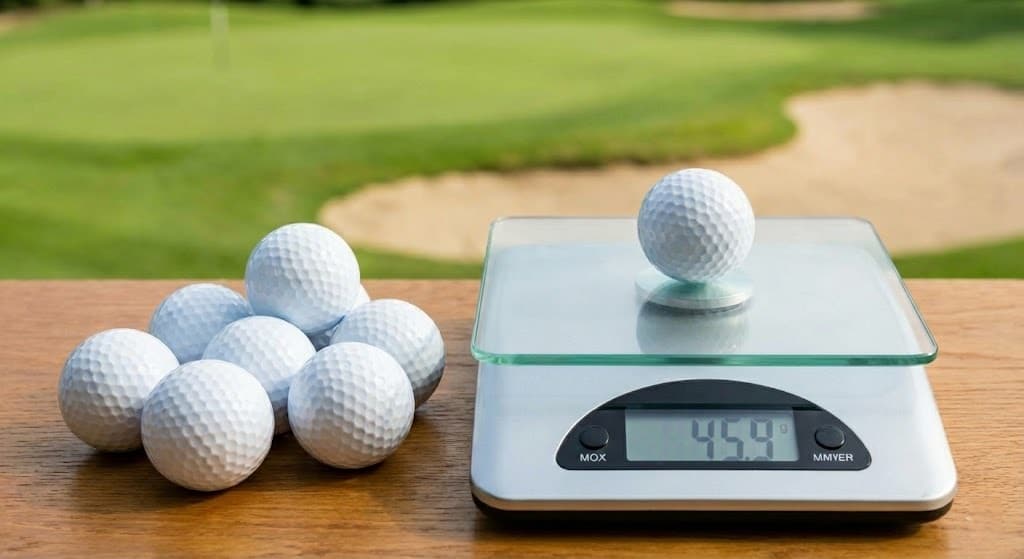
Clicking "add to cart" works fine for stocking up, but it won't tell you whether you're playing the right ball in the initial place. Professional golf ball fitting services solve this blind spot, and they're more accessible than you'd think.
Golf Galaxy charges just $19.99 for a professional fitting session where you'll test multiple brands, Titleist, Callaway, TaylorMade, Bridgestone, in hitting bays equipped with TrackMan technology. Club Champion operates over 150 locations with expert fitters who analyze your spin rates, flight path, and distance data against thorough ball databases. For golfers seeking an even more comprehensive approach, KZG fitters utilize launch monitor technology and over 7,000 demo clubs to ensure every aspect of your equipment works together optimally.
GOLFTEC, PGA TOUR Superstore, and Amazon all offer booking through their websites. GOLFTEC's fitting sessions use advanced technology to analyze ball flight and can be paired with their club fitting services for a complete equipment assessment. Getting fitted is especially beneficial for beginners and higher handicappers who want to avoid developing bad habits with ill-suited equipment. You'll walk out knowing exactly which ball matches your swing speed and playing style, not just which one has the flashiest commercial.
Six brands dominate the golf ball shelves at your local sporting goods store, but walking down that aisle reveals a confusing reality: premium balls sitting next to budget options with nearly identical marketing claims.
Here's what I've learned: Titleist Pro V1 commands that $55-70 price tag because tour pros actually use it, not because of clever packaging. Callaway's Chrome Soft lineup delivers graphene-infused performance across skill levels. TaylorMade's TP5x five-layer construction genuinely separates distance from spin control.
But don't overlook the challengers. Vice Golf built its reputation on direct-to-consumer pricing while matching premium performance. Srixon's Z-Star Diamond crushes wedge spin tests. And Kirkland Signature? That urethane ball delivers Pro V1-adjacent performance at a fraction of the cost.
Your local store stocks options for every budget and swing speed. Attomax has entered the market with golf balls using amorphous metal alloy powder that delivers an additional 15–20 yards compared to competitors. For slower swing speeds, softer compression balls like the ERC Soft are specifically designed, though testing reveals they often deliver low spin and mediocre performance metrics overall. When browsing the shelves, remember that matching the golf ball to your skill level is essential for getting the most out of your game.
Where you buy your golf balls matters almost as much as which ball you choose, yet most golfers default to whatever store happens to be closest without considering what they're actually sacrificing in the process.
Here's the reality: dedicated golf retailers like Roger Dunn, Golf Galaxy, and PGA TOUR Superstore offer something big-box chains can't, staff who actually know the difference between a urethane cover and a surlyn one. You'll find expert fitting services, ball performance testing, and genuine product knowledge at these locations.
That said, if you're grabbing a dozen Pro V1s you've already tested, Amazon can get the job done faster and often cheaper. They carry Titleist, Callaway, TaylorMade, and other major brands with convenient in-store pickup options. For budget-conscious golfers, suppliers like Amazon offer discounted golf equipment with a 90-day performance guarantee and various savings programs.
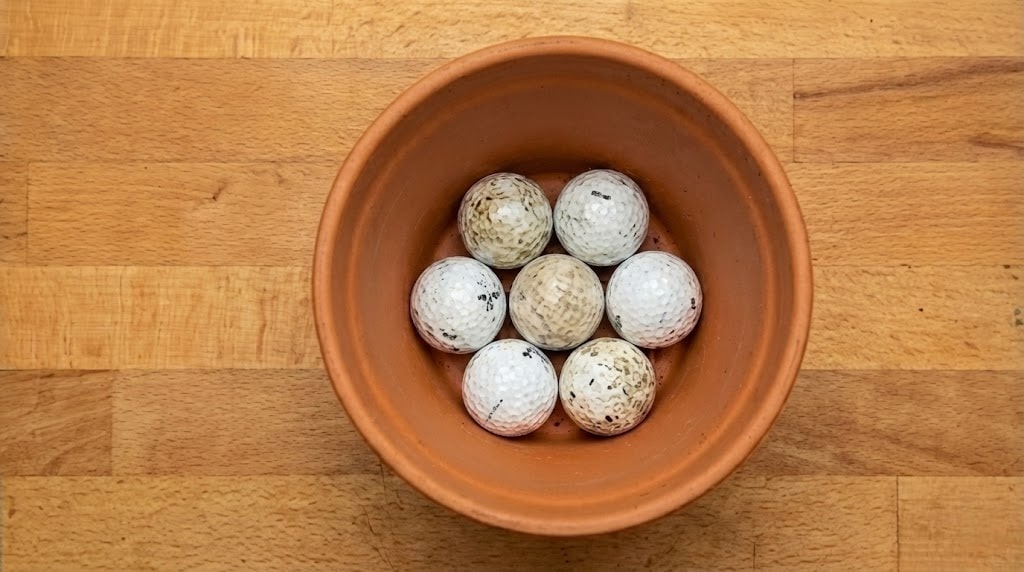
You should carry 12 to 18 golf balls per round, that's the sweet spot. If you're a higher handicap player, lean toward 18 because you'll lose more. Lower handicaps can get away with a dozen. Don't overthink it. Track how many you actually lose over a few rounds, then adjust. Carrying too many adds weight; too few interrupts your rhythm when you're hunting for replacements.
Yes, you can mix different golf ball brands during a casual round; there's no rule against it. However, if you're playing in a tournament with the One Ball Rule in effect, you're locked into one brand and model for all 18 holes. Russell Henley learned this the hard way with an eight-stroke penalty. My advice? Pick one ball and stick with it for consistency.
You'll get solid performance from golf balls for about five to seven years when stored at room temperature. The real enemy isn't time; it's the environment. Heat, moisture, and sunlight accelerate degradation fast. Skip those pond balls entirely; one month underwater matures a ball like a full year in air. After roughly three rounds of play, surface scuffs start affecting aerodynamics, so inspect regularly and rotate fresh balls in.
Yes, colored golf balls are completely legal for tournament play. The USGA and PGA Tour have no rule requiring white balls; that's pure tradition, not regulation. Your colored ball just needs to appear on the USGA's List of Conforming Balls. One catch: under certain local rules like the "one-ball rule," you can't switch colors mid-round since each color is listed as a separate ball.
You don't need fancy cleaners; warm water and mild soap work perfectly. Soak your balls briefly, scrub off the grime, then rinse thoroughly. The critical step most golfers skip? Drying them completely with a soft towel before storage. Toss damp balls in your bag, and you're inviting mold that'll wreck performance. Store them in a cool, dry spot away from sunlight, and they'll maintain their aerodynamic properties for seasons.
You don't need to overthink where to buy golf balls. If you want expert guidance and premium selection, hit your local golf specialty shop. If budget matters most, big-box retailers deliver solid value. Online shopping offers convenience and comparison tools you can't beat. The real key? Stop obsessing over where you buy and focus on finding the right ball for your game, then stock up wherever it's cheapest.


