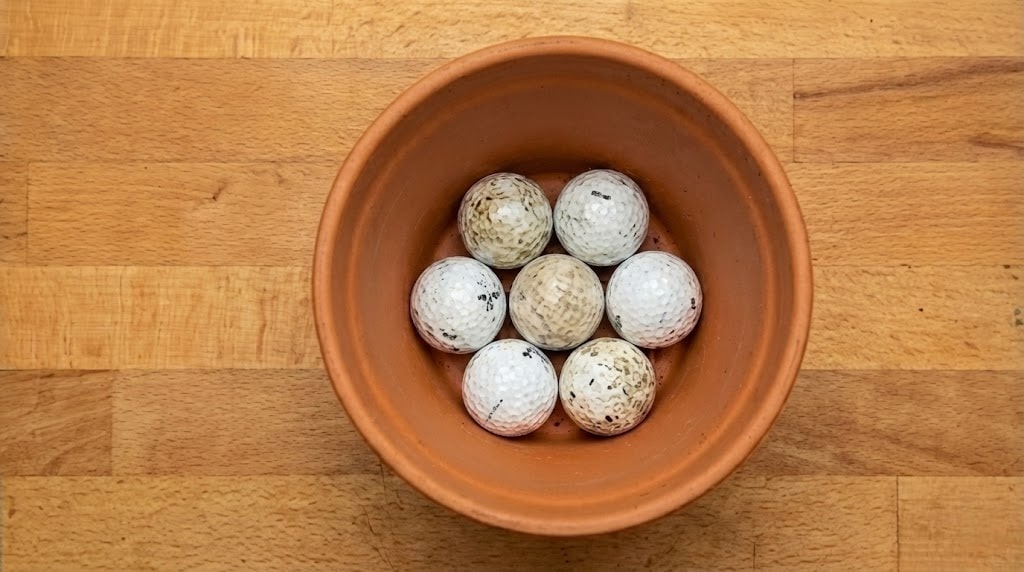
You've got more options than you think for that bucket of beat-up balls. Sell premium brands like Pro V1s to specialty buyers such as Golf Ball Planet or LostGolfBalls for decent cash, though most require a bulk minimum order of 5,000 balls. Donate smaller collections to youth programs through The Golf Ball Project. Repurpose them as garden drainage or muscle rollers. Or keep the best ones for backyard chipping drills; there's a smart system for that below.
If you've got a bucket of old golf balls collecting dust in your garage, you're sitting on actual cash, not just clutter. Here's the truth most golfers miss: specialty buyers like Golf Ball Planet and LostGolfBalls will pick up your collection for free, handle all the sorting, and cut you a check within five days.
You don't need thousands of balls either. While bulk minimums hover around 5,000 balls, many companies consolidate routes and accept smaller quantities in populated areas. Payment comes via check, ACH, Zelle, or store credit; your call. Sites like CleanGreenGolfBalls.com also buy golf balls in bulk for competitive prices, giving you another reliable outlet for your collection.
Local pro shops also buy collections at discounted rates, often paying immediate cash. Skip the hassle of eBay shipping logistics and Facebook Marketplace no-shows. Professional buyers provide prepaid labels and packaging materials at zero cost to you. Premium brands like Titleist Pro V1s command higher resale prices than lower-grade balls, so sorting your collection before selling can maximize your payout. Since Americans lose around 300 million golf balls annually, the demand for quality used balls remains consistently strong.

Selling your old golf balls puts money in your pocket, but donating them creates something more lasting: a kid's primary chance to learn the game.
Here's what actually happens when you donate: Organizations like The Golf Ball Project sort and quality-check your balls before routing them to Title 1 schools and underserved youth programs. Your scuffed Pro V1s don't end up in a landfill; they end up in a First Tee lesson teaching some ten-year-old about discipline and follow-through. Programs like the Empowering Kids Through Golf Club Placement Program even sponsor equipment for children, promoting values like sportsmanship and teamwork.
The logistics are straightforward. Contact local schools, community centers, or established nonprofits that partner directly with youth golf initiatives. Many programs bundle ball donations with clubs and bags, creating complete starter kits for kids who'd never otherwise touch the sport. Some organizations use Cloudflare security services to protect their donation portals from online threats while processing contributions. These starter kits help young players maintain optimal club performance by teaching them proper equipment care from the beginning. You're removing environmental waste while building access. That's a trade worth making.
Trading in your old golf balls sounds convenient until you realize most programs are designed for bulk sellers, not weekend golfers with a shag bag in the garage.
Golf Ball Nut offers the lowest entry point at 120 balls minimum, but you'll receive store credit, not cash, and 75% must be premium brands like Titleist or Callaway. No range balls, no cut balls, no exceptions. You'll earn $20.00 in store credit for every 120 golf balls accepted through their program.
Lost Golf Balls and Golf Ball Buyer requires 5,000 balls. Found Golf Balls won't send a truck unless you've got 15,000. These programs exist for course maintenance crews and diving operations, not casual players. Golf Ball Buyer makes the process easier by coming to your location and paying in full before leaving with your balls.
Rock Bottom Golf and We Buy Golf Balls accept smaller quantities without published minimums, but expect modest returns. Rock Bottom Golf provides a 30-day return policy for equipment purchases, making it a reliable retailer to consider for store credit redemption. For most golfers, donation makes more practical sense than chasing trade-in credits.
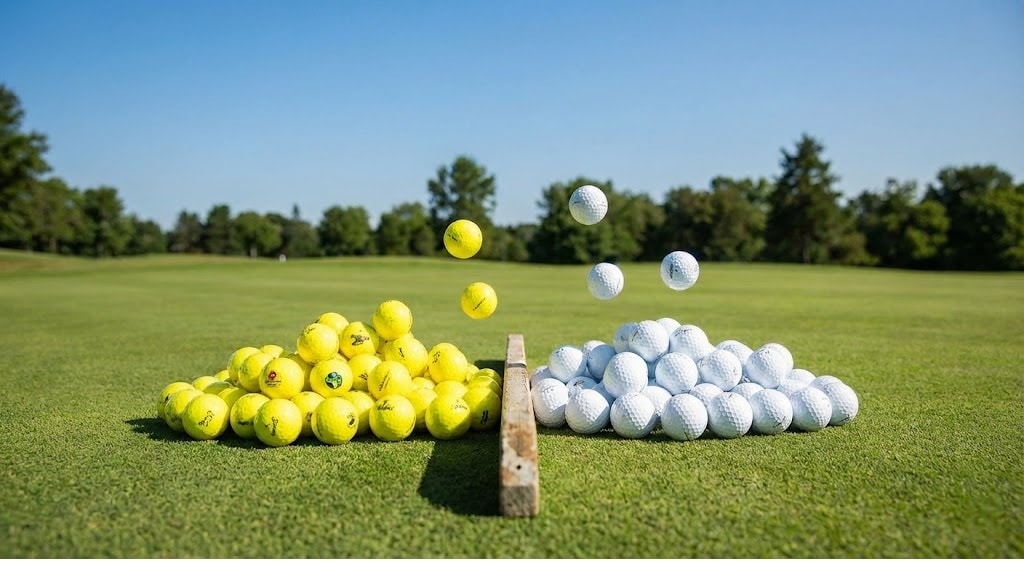
Old golf balls that won't fetch trade-in value still hold plenty of potential in your garage workshop. I've seen golfers dismiss worn-out balls as trash, but that's a mistake. These dimpled spheres become surprisingly versatile craft materials with minimal effort.
Drop a few under-potted plants for drainage, or drill them into wood planks to create hangable pegs for your mudroom. You can weigh down tablecloth corners during windy cookouts or roll one across sore muscles after a long round. Place them strategically around your garden beds where their reflective surface deters pests by confusing animals looking for an easy meal. Before tossing balls into your DIY bin, check if any are premium brands like Titleist that might still have resale value even in worn condition.
For the craftier crowd, embed golf balls in clear resin and lathe them into polished spheres that reveal those colorful core patterns you've probably never seen. Paint a few, connect them with bamboo skewers, and you've got fanciful garden creatures that'll spark conversation. During the holidays, glue three balls together to create a snowman ornament that adds a personal touch to your Christmas tree.
When you've got a bucket of scuffed, cracked, or waterlogged balls that won't sell and aren't worth repurposing, recycling companies offer a straightforward exit strategy most golfers overlook.
Here's the reality: roughly 300 million golf balls get tossed annually in the U.S., and many contain heavy metal fillers that contaminate soil and water when dumped improperly. Companies like Golf Ball Buyer and LostGolfBalls.com have built entire operations around collecting these castoffs. LostGolfBalls.com runs 21 pickup locations nationwide, making drop-off painless. Even premium balls like Bridgestone's TOUR B and e12 models, which are made in Covington, Georgia, can be recycled when they've reached the end of their playable life.
Your damaged balls don't just disappear; they're converted. Refurbishers clean and restore functional cores for resale, while innovators like GBR Australia grind unusable balls into materials for furniture, drainage systems, and even road surfaces. GBR operates as a subsidiary of Professional Golf Equipment Australia, developed specifically to reduce the carbon footprint within the golf industry. Golf Ball Refurbishers LLC has over 18 years of experience refurbishing range balls for hundreds of ranges annually, saving facilities thousands of dollars on their range ball programs. You're not just decluttering; you're feeding a circular economy that keeps toxic waste out of landfills.
But the reality is—not every old golf ball needs to leave your garage. Those scuffed-up balls sitting in your bag actually serve a purpose that foam practice balls can't match.
Here's what I've found: practicing with real golf balls, even beat-up ones, gives you authentic feedback on your swing. Foam alternatives exaggerate spin and feel nothing like the real thing. When you're chipping into a tire or hitting into a net, you want that genuine impact response to train your muscle memory.
Set up 30-minute sessions in your backyard. Target specific landing zones with short game drills. You'll develop touch and precision that transfers directly to the course.
One caveat: pick balls in decent condition. Heavy scuffs affect flight and skew your feedback, since dimple patterns significantly influence aerodynamics and how the ball generates lift during flight. Save the really rough ones for the recycling pile.

A golf ball takes roughly 100 to 1,000 years to decompose naturally; you read that right. I know that sounds extreme, but those synthetic materials, thermoplastics, and rubber cores weren't designed to break down. They're built to survive thousands of impacts, so they'll outlast you, your kids, and their kids. Worse, they'll leach heavy metals and microplastics into the environment the entire time.
Yes, they absolutely are. Launch monitor tests comparing used Pro V1s to fresh-out-of-the-box models show virtually identical ball speed, carry distance, and spin rates. Even balls pulled from ponds after months underwater performed the same. The key is buying from reputable suppliers and sticking with A-grade or AAAAA-grade balls. You'll pay roughly half price for a performance you won't distinguish in the course.
Golf balls that can't be resold or reused face a grim reality: they'll sit in landfills for centuries. Traditional balls contain thermoset plastics that standard recycling programs won't touch. While you're waiting, they're leaching harmful chemicals into the surrounding environment. Your best move? Book a collection with a specialized recycling company or repurpose them for drainage in plant pots. Don't just toss them in the trash; they'll outlast your grandchildren.
You're looking at roughly 300 million golf balls lost annually in the U.S. alone. That's not marketing fluff; it's the reality when you average 3-4 lost balls per round across millions of golfers. Since 2020, yearly totals have exceeded 1.5 billion globally. TPC Sawgrass alone swallows 125,000 balls from just 50,000 rounds. Those numbers don't even count the balls you've deliberately tossed into the trash.
Yes, they absolutely do. You might think a golf ball sitting at the bottom of a pond is harmless, but here's the reality: those balls take up to 1,000 years to break down, slowly leaching toxic chemicals and microplastics into the water. This contaminates aquatic ecosystems, interrupts food chains, and poisons wildlife that ingests the fragments. It's a slow-motion environmental disaster happening on courses everywhere.
Don't let old golf balls pile up in your garage collecting dust. You've got real options here: sell them for cash, donate them to junior programs, trade them in, get creative with DIY projects, recycle them responsibly, or keep them for practice. Pick the path that fits your situation and clear out that clutter. Those old balls still have value; it's time you captured it.