

The best driver shaft for you depends on your swing speed: under 85 mph needs regular flex with higher torque, 85-95 mph suits regular to stiff flex, and above 95 mph demands stiff or extra stiff with low torque for control. Don't trust flex labels; they're not standardized across brands. Your ideal shaft weight, typically 50-70 grams for most amateurs, directly impacts your launch conditions and distance, which is why understanding these specifications changes everything.
When you're shopping for a driver shaft, manufacturers throw around terms like "aerospace-grade carbon fiber" and "proprietary resin technology" as if they're magic spells that'll add 20 yards to your drive. Let's cut through the noise.
You've got three main options: graphite, steel, and composite. Graphite dominates the driver market for good reason: it's light (50-85 grams), absorbs vibration, and lets you swing faster. Steel? It's heavier, stiffer, and rarely belongs in a driver unless you're swinging exceptionally fast and crave maximum control over distance. The lighter weight of graphite makes it particularly beneficial for seniors and women golfers who can generate higher swing speeds with less effort.
Composite shafts blend both materials, targeting golfers who want graphite's speed benefits with steel's stability. They're pricier and typically found in premium models. These shafts combine the strengths of both materials to deliver premium performance for discerning players. Modern designs utilize carbon composites and titanium blends to maximize energy transfer without sacrificing control.
Here's what actually matters: weight affects your swing speed, and swing speed determines distance.

Shaft material gets you in the right neighborhood, but flex determines whether you actually hit your target. Most golfers obsess over brand names while ignoring the spec that actually dictates whether their drives fly straight or curve into the trees.
Here's the breakdown: swing speeds below 70 mph need ladies flex, 70-85 mph calls for senior flex, 85-95 mph fits regular flex, 95-110 mph demands stiff, and anything above 110 mph requires extra stiff. Too soft and you'll balloon shots with excessive spin. Too stiff and you're leaving distance on the table while fighting a weak slice. When the flex is too stiff, it can also lower your launch angle, making it harder to achieve optimal carry distance.
Your tempo matters here, too. A smooth, rhythmic swing might play one flex softer than raw speed suggests, while an aggressive shift needs stiffer support. Getting the correct flex maximizes distance, control, and accuracy for every shot off the tee. When you dial in the right combination of flex and other shaft characteristics, you can expect to reduce shot dispersion significantly while picking up extra yards.
While flex gets all the attention in fitting discussions, shaft weight quietly exerts an equal or greater influence on your driver performance, and it's the spec most golfers completely overlook.
Here's the reality: dropping shaft weight by just 10% can add approximately 1.5 meters to your drives. Lighter shafts in the 40-60g range reduce rotational inertia, letting you whip the clubhead through faster. In controlled testing, four of five players gained carry distance with lighter options, with individual gains reaching 23 yards.
But lighter isn't automatically better. If you swing fast, ultralight shafts feel unstable, like swinging wet spaghetti. Heavier shafts provide better feedback and promote a smoother tempo. The appropriate shaft weight also optimizes launch angles and spin rates, directly affecting your ball flight trajectory. The sweet spot depends entirely on your swing speed profile, not marketing promises about distance gains. Choosing an incorrect shaft weight can result in poor timing and actually cost you distance rather than add it. This is why professional club fitting is valuable for golfers at any skill level, ensuring your equipment matches your unique swing characteristics.
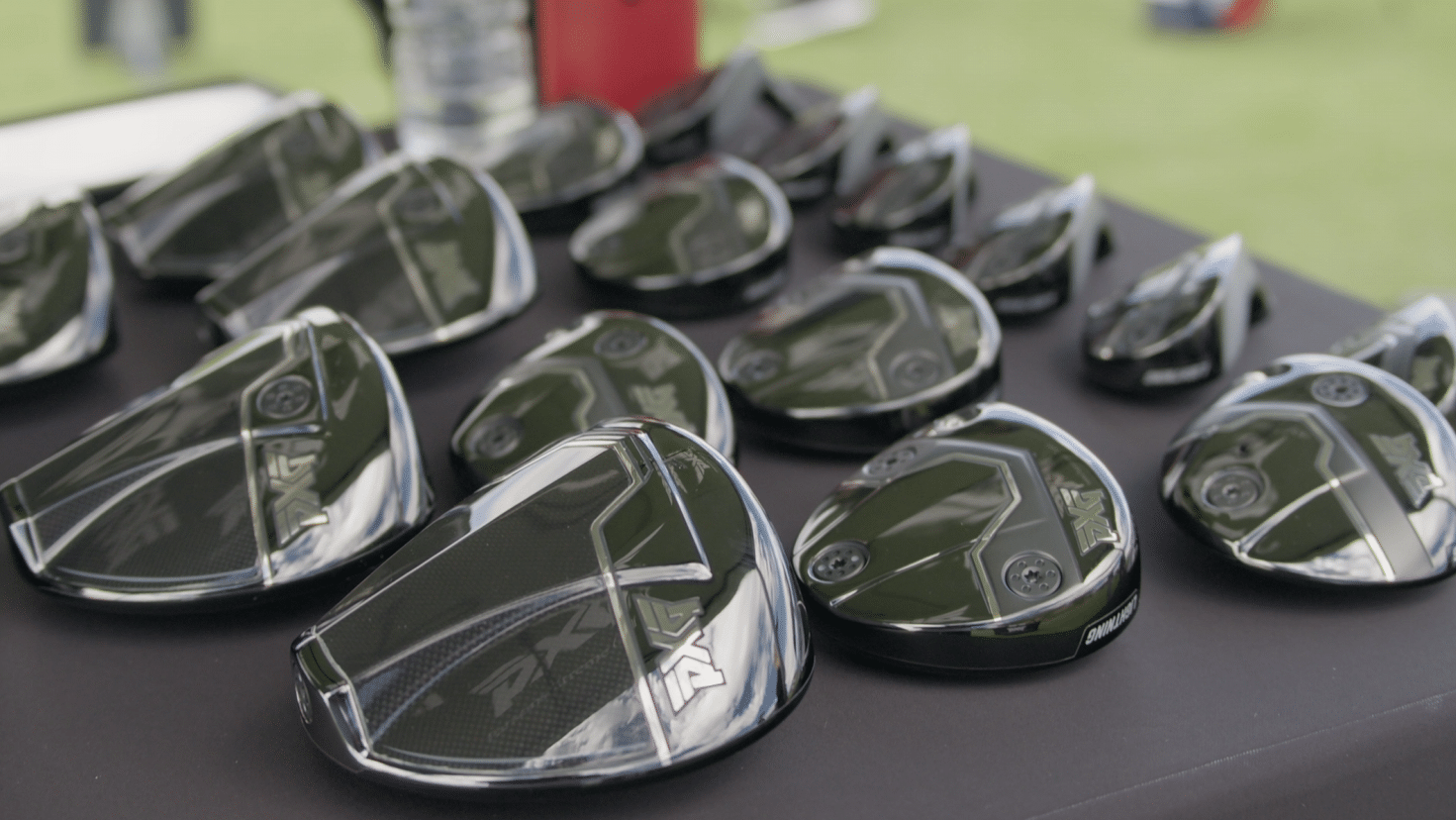
Torque remains the most misunderstood spec on any shaft label, and manufacturers exploit that confusion tirelessly.
Here's what actually matters: torque measures how much your shaft twists under load, expressed in degrees. Lower numbers mean less twist. That's it. Low torque falls in the low 3s, or less; mid torque ranges from 3.3 to 5.0, and high torque exceeds 5.0.
Your swing speed dictates your torque needs. If you're swinging under 85 mph, you'll benefit from higher torque shafts in the 4-6 degree range, which help launch the ball and add forgiveness. Swing over 100 mph? You need sub-3-degree torque to prevent the shaft from fighting your speed. Just as shaft flex affects ball flight by influencing spin and trajectory, torque works alongside flex to shape your overall shot characteristics.
Higher torque produces higher ball flight because the twist adds effective loft at impact. Lower torque keeps things stable and controlled. If you're battling a hook, lower torque resists that closed-face twist. Slicers often find relief with higher torque shafts. A mismatched torque rating increases your chances of inconsistent shots that plague your scorecard round after round.
Understanding specs like torque gets you halfway to the right shaft, but numbers on a label can't account for your unique swing signature. A professional fitting captures what spec sheets miss: your actual launch conditions, spin rates, and impact patterns under real swinging conditions. Advanced technology, like launch monitors, provides the precise data analysis needed to match your swing with the optimal shaft characteristics.
Here's what happens during a quality fitting: the fitter measures your swing speed, then works through shaft options across different weights, flexes, and bend profiles. They'll start with a mid-launch, mid-spin shaft as your baseline, then adjust from there. Shorter shafts tighten your dispersion patterns, while each inch you add gains roughly four yards but increases scatter by about 10 percent. This customization process delivers equipment tailored to individual needs, resulting in enhanced accuracy and distance off the tee. Since there are no universal standards for shaft flex across manufacturers, a fitting ensures you're matched to the right shaft regardless of what the label says.
The fitter also dials in loft and lie angles, modifies shaft stiffness at specific sections, and customizes your grip. You'll leave with specifications built around your swing, not averages.

You should replace your driver shaft every 3-5 years for peak performance. If you're grinding out 100+ rounds annually, shorten that window to 2-3 years. Forget the marketing noise, shafts don't magically "die," but they do lose their original flex profile over time. Watch for inconsistent shot dispersion or unexplained distance loss. That's your signal. Pair any replacement with a proper fitting session to actually see measurable gains.
You can't just pop any shaft into any driver head; that's a myth the industry lets you believe. Each brand uses proprietary hosel designs, so a TaylorMade shaft won't fit a Callaway head without the right connector. Your real solution? Universal connector systems like ALL-FIT Golf let you swap one shaft between multiple brands by simply changing the collar. It's the smartest workaround for brand-locked equipment.
Yes, weather absolutely affects your driver shaft. Cold temperatures stiffen your shaft, reducing flex and altering ball flight. Steel shafts feel this more dramatically than graphite. Here's the practical fix: warm your shaft before hitting by rubbing it under your arm. Store clubs indoors; never leave them in a cold car overnight. Repeated cold exposure can make graphite brittle over time, potentially causing damage.
Your height matters less than you think. The real answer comes from your wrist-to-floor measurement, which accounts for arm length differences that height alone misses. If you're over six feet, you'll likely need an extra half-inch to one inch. Under 5'7"? Subtract that same amount. But don't guess, get fitted with a launch monitor. The data cuts through assumptions and reveals what actually works for your swing.
Yes, aftermarket shafts are worth it if you're serious about your game. You'll gain real performance, expect 1-2 MPH more ball speed, tighter dispersion, and up to 10-15 yards in carry distance. The difference isn't marketing fluff; it's tighter manufacturing tolerances and premium materials that deliver a consistent feel shot after shot. Stock shafts work fine for casual players, but committed golfers get measurable returns from the upgrade.
Here's the truth: the "best" driver shaft doesn't exist, only the best shaft for your swing. Don't let flashy marketing convince you otherwise. You've now got the structure to evaluate materials, flex, weight, and torque on your own terms. But I'll say it plainly: get fitted. A 30-minute session with a qualified fitter will outperform months of guesswork every single time.

