
Golf Clubs
Where Are Titleist Golf Clubs Manufactured? A Global Operation
Titleist golf clubs are assembled in Carlsbad, California, but don’t let “Made in USA” marketing fool you; the story’s more complicated. Components like driver…
Golfers Authority
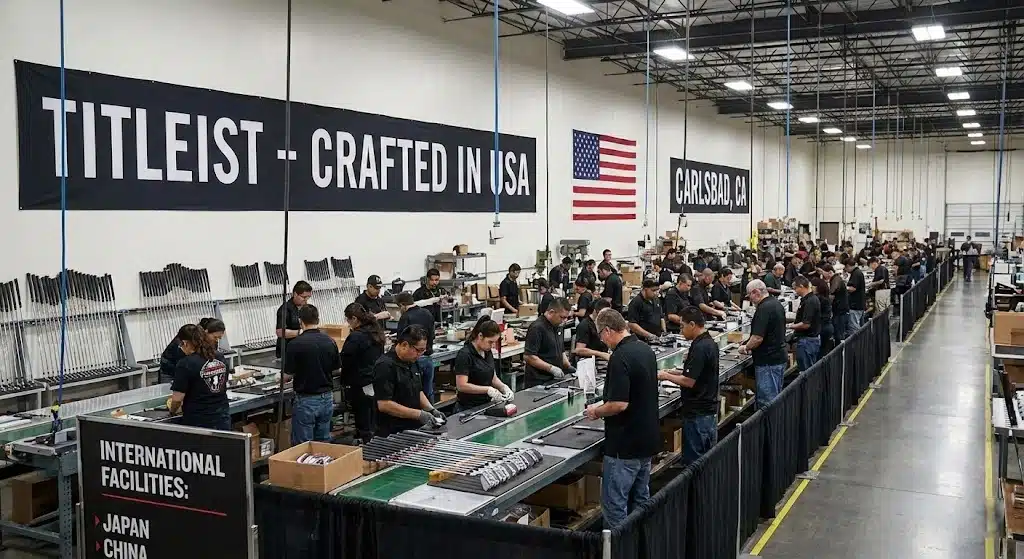
Titleist golf clubs are assembled in Carlsbad, California, but don’t let “Made in USA” marketing fool you; the story’s more complicated. Components like driver…
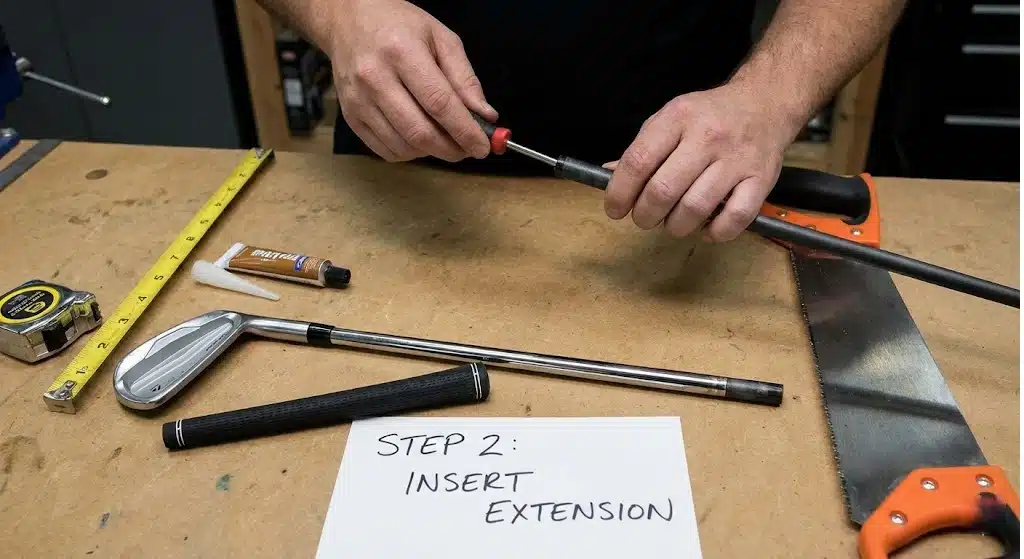
You’ll need shaft extenders matched to your club material, metal for steel, plastic for graphite, plus high-strength golf epoxy and 24 hours of patience.…
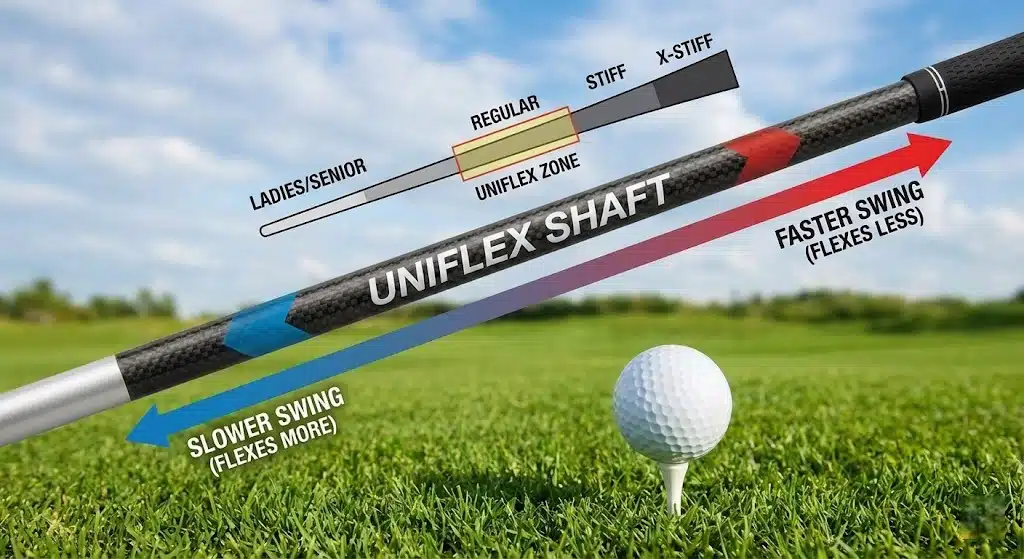
Uniflex shafts adjust to your swing speed, flexing more when you swing slower and stiffening when you swing faster. You’re getting a single shaft…

Senior flex golf clubs are designed for golfers with swing speeds between 70-85 mph, typically those carrying their driver 180-200 yards. They feature lighter…
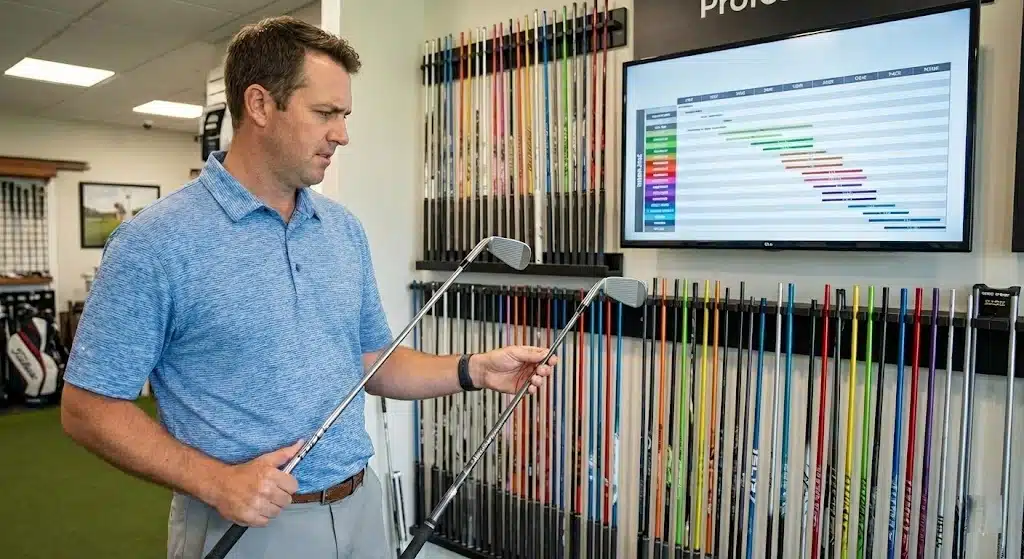
The right shaft comes down to your swing speed, tempo, and whether you’re prioritizing distance or control. If you swing under 90 mph, you’ll…
The biggest difference between Srixon’s Q-Star Tour and Z-Star comes down to compression, 74 versus 88, and your swing speed determines which one actually…

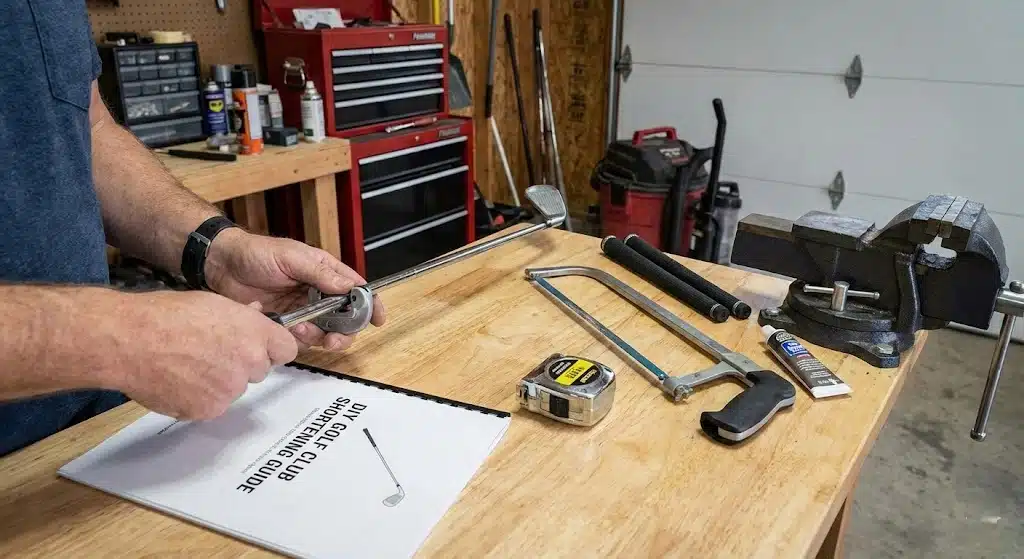
To cut a graphite golf shaft, you’ll wrap masking tape around your marked cut line, secure the shaft in a rubber-lined vise, and use…

The best driver shaft for you depends on your swing speed: under 85 mph needs regular flex with higher torque, 85-95 mph suits regular…

Here’s the straight answer: if your driver swing speed falls between 85-95 mph, you need regular flex; speeds of 95-105 mph call for stiff…

The real difference between graphite and steel shafts comes down to your swing speed and physical needs, not marketing claims. If you’re swinging under…

To determine your ideal golf shaft flex, forget the manufacturer’s letter labels they’re inconsistent across brands. Instead, focus on your swing speed: over 105…

I’ll admit it, when a buddy handed me a Feruga NPS shaft, I had to Google the brand. Korean? Never heard of them. But…