The biggest myth in golf? That you need a "women's" or "men's" ball based on your gender. You don't. What actually matters is your swing speed. If you're swinging under 90 mph, you'll benefit from a lower compression ball (40-60 range) regardless of what's printed on the box. These softer balls compress properly at slower speeds, maximizing energy transfer and distance. Understanding how compression, dimple design, and construction work together will help you find your perfect match.
Before you can understand why certain golf balls work better for different players, you need to cut through the marketing noise around compression ratings.
Compression measures how much a ball deforms when you strike it, running on a scale from 30 (softest) to 120 (hardest). Lower numbers mean the ball squishes more easily, while higher numbers indicate a firmer construction that resists deformation. Understanding ball construction differences, from one-piece to five-piece designs, helps explain why compression varies so significantly across models.
Here's what manufacturers won't tell you directly: compression ratings typically measure the entire ball, but marketing departments cherry-pick core-only numbers to make their products sound more impressive. A ball advertised as "soft core technology" might actually play firmer than you'd expect. Using a ball that doesn't match your swing speed can result in distance loss and reduced control, undermining your performance regardless of the ball's advertised benefits.
The real distinction matters when you match compression to your swing speed, something we'll break down next. Lower compression balls create more trampoline effect for slower swings, helping generate greater distance without requiring a powerful impact.

Dimple patterns rarely make marketing headlines, but they're doing the real aerodynamic work that compression can't touch.
Here's what actually matters: women's golf balls use dimple configurations engineered to generate more lift. If you're swinging slower, you need that ball to stay airborne longer to enhance carry distance. Men's balls fine-tune for a lower flight path and reduced spin because faster swing speeds already generate plenty of lift.
The difference isn't subtle. Women's dimple designs promote higher spin rates and softer landings with less roll. Men's patterns create penetrating ball flights that hit the ground running. Modern dual-radius dimple shapes take this further, simultaneously reducing drag while increasing lift. These high-trajectory dimples help maintain ball elevation for longer distances, which is especially critical for players with moderate swing speeds. The enhanced aerodynamics also provide better shot control for slower club swingers who need consistency off the tee. Both premium manufacturers use multi-layer construction alongside advanced dimple patterns to optimize the relationship between distance, control, and spin rates.
Don't overlook this spec. The right dimple design directly compensates for swing speed limitations that compression alone can't fix.
While dimple design handles the aerodynamic heavy lifting, your swing speed remains the single most essential variable when choosing between men's and women's golf balls. Here's the reality: if you're swinging under 90 mph, you physically cannot compress a high-compression ball enough to release its performance potential. You're leaving distance on the table.
Lower compression balls (40-60 range) require less force to deform at impact, maximizing energy transfer for slower swingers. This translates directly into better ball speed and reduced distance penalties on mishits. Just as women's clubs feature more flexible shafts to optimize performance for slower swing speeds, lower compression balls work on the same principle of matching equipment to your physical capabilities. Research shows that driver distance increases roughly 2.84 yards for every 1 mph of swing speed gained, which explains why proper ball compression matching becomes critical for maximizing your potential.
Don't get distracted by gender labels on packaging. A man swinging 85 mph benefits from a "women's" ball just as much as a woman does. Match your compression to your swing speed initially; everything else follows from that fundamental decision.

Beyond compression ratings, the actual materials inside your golf ball determine everything from how it feels coming off the clubface to how it behaves when you're trying to stick a wedge shot close.
Women's golf balls typically feature soft cores with an energetic gradient design, softer at the center, firmer toward the edges. This construction optimizes energy transfer at slower swing speeds while maintaining durability. Men's balls lean toward firmer, multi-layer constructions built for control at aggressive speeds.
Cover materials matter just as much. You'll find softer urethane or Surlyn covers on women's balls, providing that buttery feel around the greens and improving spin control on delicate shots. The reduced vibration from these softer materials also means more comfort through impact, something you'll appreciate during a full round. For players seeking maximum softness, options like the Wilson Soft DUO deliver improved flight with drivers while maintaining performance around the greens.
Selecting the right golf ball has nothing to do with the color of the packaging or the word "women's" printed on the box; it's about matching your equipment to your swing characteristics.
Here's your decision structure: If your swing speed sits below 90 mph, grab a low-compression ball (40–60 range). You'll compress it properly and actually launch it the way it's designed to fly. Swing faster? You need that higher compression to avoid ballooning shots. Lower compression balls allow easier compression and more effective energy transfer, which translates to greater distance for players with moderate swing speeds.
Don't overthink the gender labels. A senior male golfer and a female beginner often share identical swing profiles, and they'll perform best with the same ball. Research shows that driving accuracy is similar across genders, reinforcing that ball selection should focus on swing mechanics rather than gender-specific marketing.
Test your short game feel too. Softer covers generate more spin around greens, helping you stop approaches quickly and score lower. Elite players like Ayaka Furue demonstrate that scrambling success rates can reach two out of three attempts, proving how critical touch around the greens becomes for saving strokes.
Yes, you can absolutely use women's golf balls without breaking a single rule. The USGA and R&A don't care about marketing labels; they only require that your ball meet standard specifications for size, weight, and velocity. That "ladies' ball" designation? Pure marketing. If you've got a slower swing speed, you'll actually gain distance with that lower compression. Ignore the stigma and play what performs.
Women's golf balls cost less than men's, period. You'll typically pay $15 to $25 per dozen for women's models, while men's premium balls run $35 to $50 or more. The reason is simple: women's balls use a simpler two-piece construction with lower compression ratings, which cuts manufacturing costs. Don't let anyone tell you it's about quality; it's about design choices targeting different swing speeds.
Yes, you can absolutely use "women's" golf balls in professional tournaments. Here's the deal: there's no separate legal classification for women's balls. If the ball appears on the USGA and R&A's List of Conforming Golf Balls, you're good to play it, period. The "women's" label is pure marketing based on compression and feel, not a regulatory distinction that'll get you penalized.
You'll replace women's golf balls more often; that's the bottom line. The softer covers and lower compression that make them feel great off the clubface also make them more prone to scuffing and wear. Premium men's balls like the Pro V1 simply hold up longer, retaining their cover integrity across more rounds. If durability matters to you, expect to cycle through women's balls faster than their firmer counterparts.
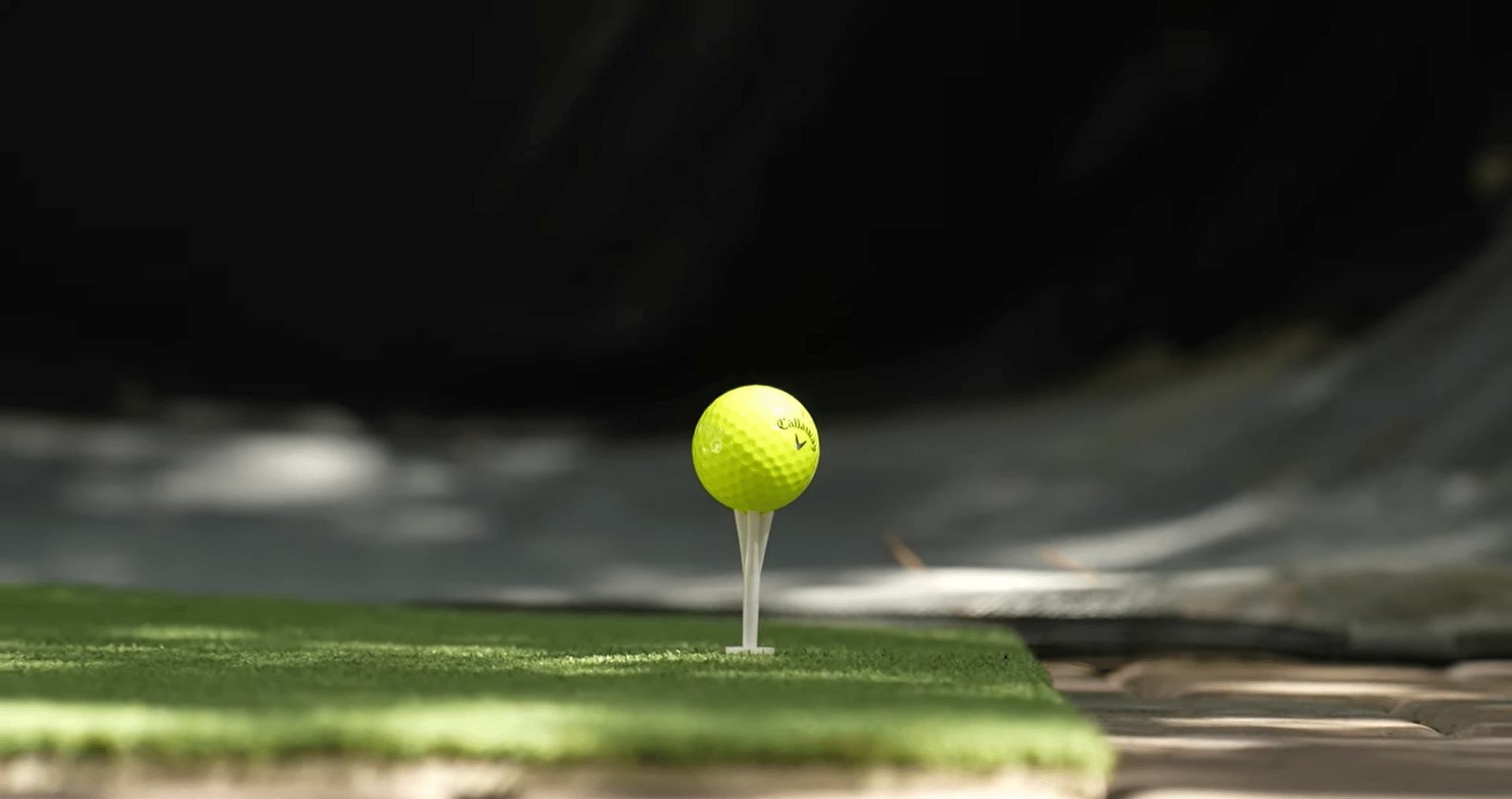
No, colored women's golf balls perform similarly to white ones. The dyes and surface treatments used to create those bright yellows and pinks don't touch the core construction, compression, or aerodynamics that actually determine performance. You'll get the same distance, spin, and accuracy regardless of color. The real difference? Visibility. Pick a color based on your course conditions and eyesight, not performance fears.
Here's the truth: there's no magic in the "women's" label. What matters is matching ball compression to your swing speed. If you're swinging under 85 mph, a low-compression ball will give you better distance and feel, regardless of what's printed on the box. Don't let marketing dictate your equipment choices. Test different compressions, trust your results, and play what performs best for your game.