
The choice between cavity backs and blades isn't about marketing; it's about your strike consistency. Cavity backs redistribute weight to the perimeter, creating a larger sweet spot that saves your mishits and keeps ball speed stable across the face. Blades concentrate mass behind the center, rewarding pure contact with superior feel and shot-shaping control while punishing everything else. If you're above a 15 handicap, cavity backs will genuinely improve your scores, and understanding why comes down to the specifics below.
When you strip away the marketing gloss, the fundamental difference between blade and cavity back irons comes down to one engineering decision: where the metal sits.
Blades pack their mass into a solid, compact piece of forged steel concentrated behind the center of the clubface. That's it. No tricks, no hollow chambers, no tungsten weights strategically placed by engineers with physics degrees. This traditional design is favored by professional golfers for maximum control and feel at impact. However, blades require precise strikes and are less forgiving on off-center hits, making them difficult for average players to use effectively.
Cavity backs take the opposite approach. They hollow out the back of the clubhead and redistribute that weight around the perimeter. This creates room for thicker top lines, wider soles, and larger general head sizes. Modern designs exploit this space further, incorporating tungsten inserts and variable face thickness to enhance launch conditions. This perimeter weighting can reduce shot dispersion significantly while adding distance for golfers who don't consistently strike the center of the face.
You're choosing between concentrated precision and distributed forgiveness.

That redistribution of metal I just described isn't an academic exercise; it directly determines how your iron performs when you don't catch it flush. Cavity backs spread weight to the perimeter, creating a larger sweet spot and higher moment of inertia. When you miss the center, the clubhead resists twisting, preserving ball speed and keeping your shot closer to target. This perimeter weighting design also promotes easier launch and more consistent distance across the clubface.
Blades punish you immediately. That small, center-concentrated sweet spot demands precision; miss it, and you'll watch distance evaporate while your ball sails offline. There's no safety net. This is precisely why blades are best suited for low-handicap golfers who have grooved, consistent, repeatable swings. However, blades do offer superior feel due to tighter metal compression during the forging process, which elite players value for shot feedback.
Here's what matters for your game: cavity backs maintain consistency across the face, while blades reward only pure strikes. If you're not hitting the center consistently, you're fighting your equipment every round. The forgiveness gap between these designs is substantial and measurable.
How much shot shaping ability do you actually need? That's the real question before you chase blade irons for their workability reputation. Blades deliver superior shot shaping through minimal offset and concentrated weight behind the clubface. You can manipulate fades and draws with precision because nothing fights your face angle adjustments. The tactile feedback tells you exactly where you struck it, letting you make real-time corrections. This unmatched feel and feedback is precisely why low-handicap and scratch players gravitate toward blades. Similar to how blade putters suit players with an arcing stroke who prioritize feel and precision, blade irons reward golfers who demand maximum control over their ball flight.
Cavity backs tell a different story. Their perimeter weighting and added offset actively moderate extreme curvature. You'll hit straighter shots, especially on mishits, but you sacrifice that fine-tuned control. Testing showed blade-style irons achieving 9 degrees of curvature while cavity backs produced less shaping capability under the same conditions. Here's the truth: unless you're consistently finding the center of the clubface, blade-level shot shaping remains theoretical. Cavity backs won't limit a skilled player; they'll just forgive an average one.
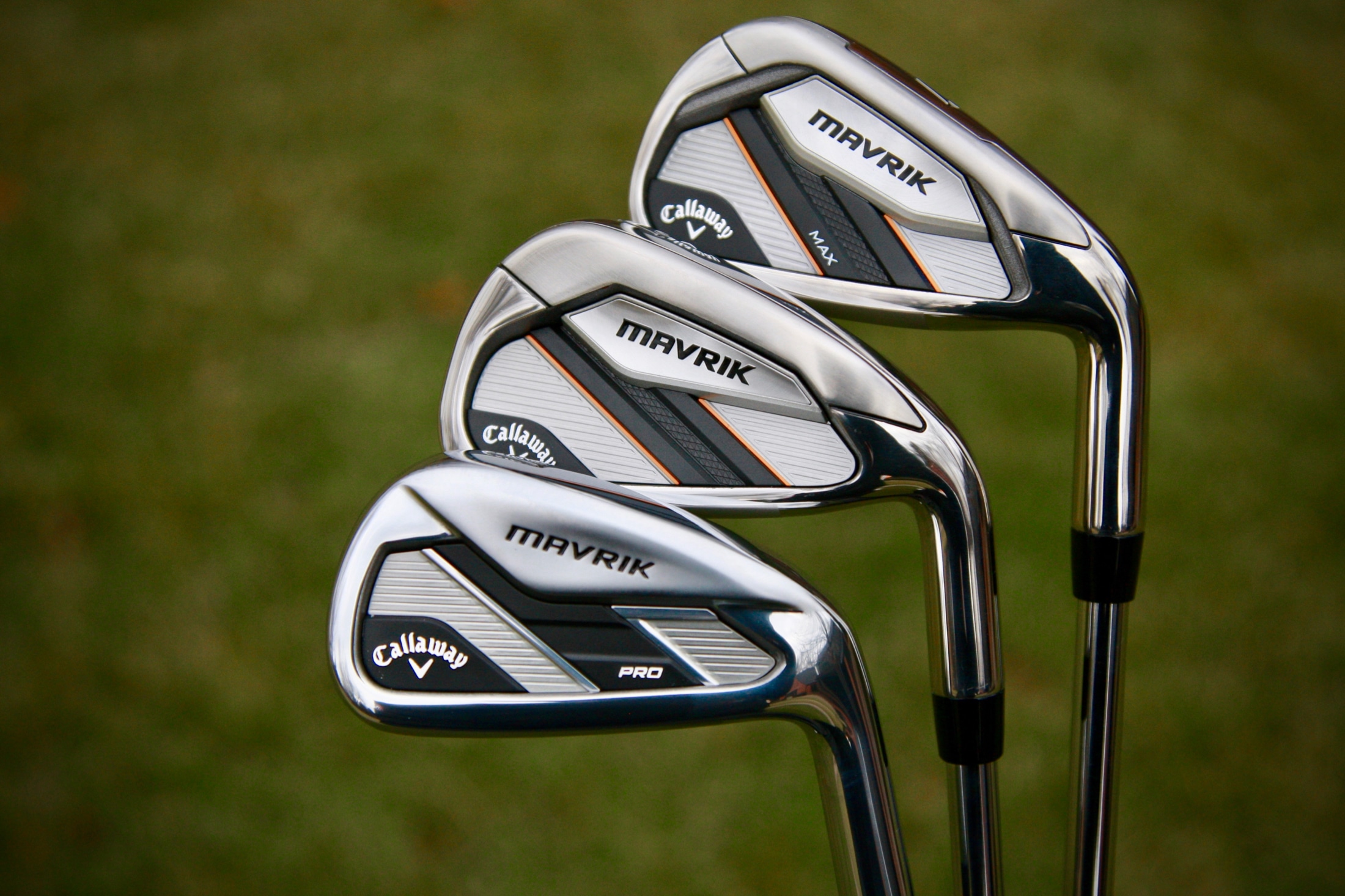
Distance might be the most overhyped differentiator between blade and cavity back irons. In controlled testing, blades average 162 yards while cavity backs hit 163, a difference you'll never notice on the course. When you pure a shot, both deliver nearly identical ball speeds.
The real story is ball flight. Blades launch lower with higher spin rates, giving you that piercing trajectory skilled players crave. Cavity backs promote higher launch angles through strategic weight placement, helping average golfers get the ball airborne more easily.
Blades produce tighter distance ranges on centered strikes, all shots within 8 yards, versus 10 for cavity backs. You'll see more consistent spin and launch with blades, but only if you're striking the center consistently. Cavity backs maintain launch height on mis-hits. A launch monitor confirms these differences by tracking ball speed, launch angle, and spin rates in real-time during your practice sessions.
Your handicap tells you exactly which iron category you need, but not in the way manufacturers want you to believe.
Here's the truth: if you're shooting above a 15 handicap, blade irons actively hurt your game. That smaller sweet spot punishes every mishit with brutal distance and direction loss. You don't need that punishment; you need forgiveness.
Cavity backs redistribute weight to the perimeter, creating higher MOI that keeps your shots playable even when you miss the center. That's not a crutch; that's smart equipment selection. Since nearly 90% of golfers use ill-fitted clubs, getting professionally fitted for the right cavity back can dramatically improve your shot consistency.
Low-handicap players gravitate toward blades for one reason: feedback. They want immediate information about strike quality to shape shots and control the flight path. But here's what manufacturers won't tell you—most recreational golfers benefit far more from cavity back playability than blade-level control they can't consistently execute.
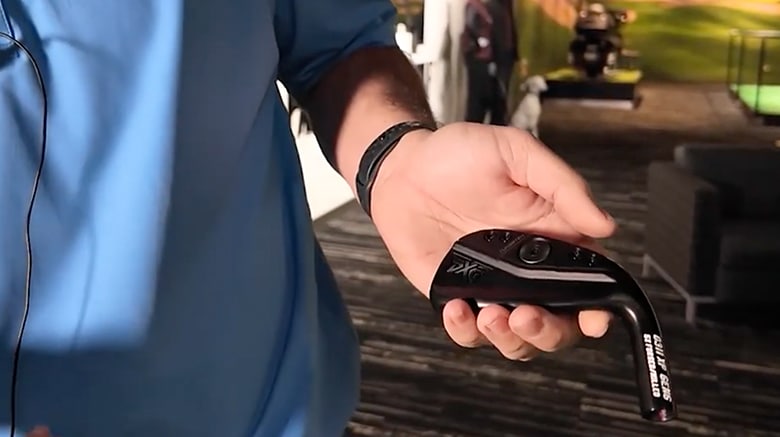
Yes, you can absolutely mix cavity back and blade irons, and honestly, you probably should. The smart play is running cavity backs in your long irons (3-6) for forgiveness where you need it, then switching to blades (7-PW) for control and precision on scoring shots. Just don't skip custom fitting. You'll need consistent shafts and lie angles to avoid awkward distance gaps between iron types.
You'll hear manufacturers push new irons every two years, but here's the truth: cavity backs need replacing every 5-6 years, while blades can last 7+ years with proper care. If you're grinding out 100+ rounds annually, cut those timelines by a year or two. The real trigger isn't a calendar; it's worn grooves killing your spin and control. Check your grooves, not the release dates.
Yes, they do. Cavity backs typically accept both parallel (.370") and taper tip (.355") shafts, giving you more flexibility with graphite or lighter steel options. Blades traditionally favor parallel tip steel shafts with constant weight profiles for uniform feedback. You'll also find cavity backs pair well with softer shaft profiles for forgiveness, while blades demand stiffer profiles for the control and workability that better players expect.
Despite what you might assume, blade irons aren't necessarily more expensive than cavity backs. You'll find both categories hovering around $170-$200 per club for premium options. The real difference isn't price, it's value proposition. Cavity backs deliver forgiveness and distance at similar costs, while blades charge comparable rates for precision and workability. Your handicap, not your budget, should drive this decision.
Weather conditions expose the forgiveness gap between these designs. In wet turf, cavity backs' thicker soles glide through muck while blades dig and produce fat shots. Wind and rain interfere with your tempo, and cavity backs absorb those mishits far better. Cold temperatures kill distance, but cavity backs maintain ball speed. Blades shine only in dry, firm conditions where their feedback and spin control actually matter.
Your iron choice comes down to one honest question: do you need help or control? If you're still building consistency and want forgiveness on mishits, cavity backs are your answer. If you've got a repeatable swing and crave workability, blades reward that skill. Don't let ego drive this decision; pick the iron that matches where your game actually is, not where you wish it was.

