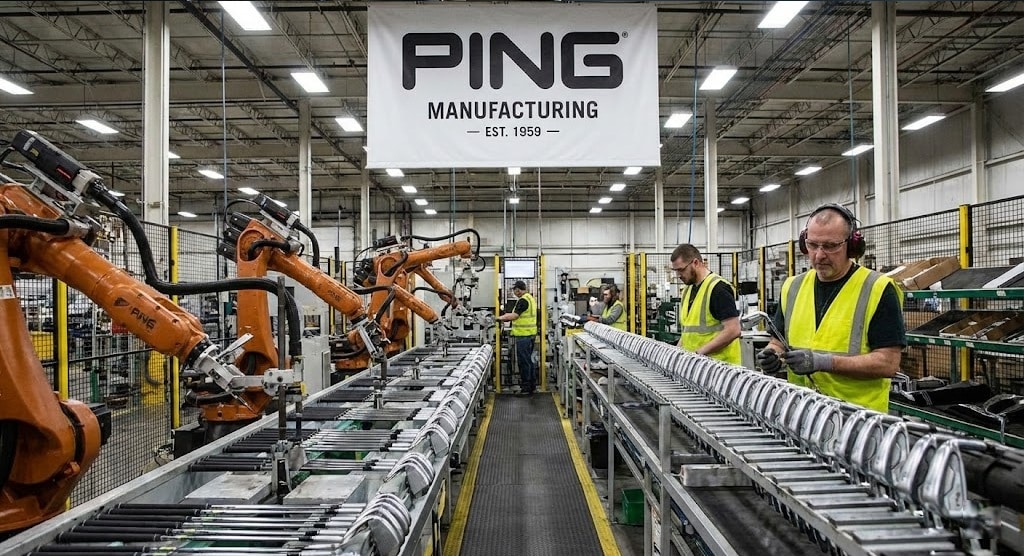
PING golf clubs are manufactured primarily at their 50-acre Phoenix, Arizona facility, where they've stubbornly kept production domestic since the company's founding. They also operate a European production site in Gainsborough, England, established in 1973 to serve that market with faster turnaround times. Unlike competitors who've shipped jobs overseas, PING builds clubs to order with craftsmen who often have 30+ years of experience, and understanding why they've resisted offshoring reveals everything about their quality commitment. TaylorMade manufacturing locations around the world reflect a similar dedication to quality. By maintaining control over their production processes across various regions, they ensure that each club meets the high standards expected by golfers. This commitment to craftsmanship not only enhances performance but also solidifies their reputation in the competitive market.
Most golfers assume their clubs roll off some massive overseas assembly line, but here's what surprised me: Ping builds everything at a sprawling 50-acre campus right in Phoenix, Arizona.
You'll find the entire operation at 2201 W Desert Cove Ave, and it's one of the largest golf club manufacturing facilities in the country. The campus houses multiple buildings dedicated to every stage of production, manufacturing, assembly, testing, and administrative operations, all happen under one roof. The main production area alone spans over 100,000 square feet with more than 200 workers handling everything from shaft assembly to custom loft and lie adjustments. The company has maintained its commitment to domestic production since its founding, contrasting sharply with industry trends toward overseas manufacturing.
What strikes me about this setup is the deliberate concentration of resources. Ping hasn't scattered their operations across continents chasing cheaper labor costs. They've planted their flag in the Arizona desert and committed to American manufacturing. This centralized approach gives them control over quality that outsourced production simply can't match. The facility even includes a vault showcasing approximately 3,200 gold-plated putters awarded to golfers who have won tournaments using Ping equipment.

Ping's roots run deeper in Britain than most golfers realize. Back in 1973, Karsten Solheim partnered with Roy and Pat Freeman to establish Karsten (UK) Ltd., creating a European foothold that's served the company for over five decades.
You'll find this facility in Gainsborough, England, where it handles production and distribution for the European market. This isn't some afterthought warehouse operation; it's a legitimate manufacturing presence that cuts shipping times and guarantees European golfers get their custom-fitted clubs faster. The facility has grown to include two 18-hole courses established at Thonock Golf Club, demonstrating Ping's long-term commitment to the region. This stands in contrast to competitors like Callaway, who moved production to Mexico in 2010 and outsourced manufacturing to multiple Asian countries. Takomo golf clubs manufacturing locations reflect the brand's dedication to quality and craftsmanship. By investing in facilities across Europe, they ensure that golfers receive their products without unnecessary delays, while also maintaining strict quality controls. This strategic approach allows Takomo to compete effectively in a market dominated by larger brands, reinforcing their reputation among serious golf enthusiasts. In addition to Gainsborough, the brand has also established manufacturing locations for Titleist clubs closer to key markets, ensuring high-quality production while minimizing logistical challenges. This strategic approach allows Titleist to maintain rigorous quality control standards and respond swiftly to customer demands across Europe. As a result, golfers can expect top-tier performance from clubs that are crafted in prime manufacturing hubs.
What matters to you is simple: if you're ordering Ping equipment in Europe, your clubs likely come from Gainsborough rather than crossing the Atlantic. That translates to quicker turnaround on custom orders and localized quality control that matches Ping's exacting standards. Each custom order includes a unique serial number that allows for future reference and service throughout the club's lifetime.
Whether your clubs ship from Gainsborough or Phoenix, the manufacturing process follows an identical protocol that converts raw components into precision instruments matched to your swing.
Work orders get scanned before every operation, and laser-marked serial numbers track each head through production. Your set stays together as a unified family; no separation occurs at any stage. Digital equipment receives virtual instructions the moment your order arrives at each station.
Here's what matters: every head gets individually weighed, and that data determines your tip weights. Heat treating enhances the metal's molecular structure for adjustability without sacrificing strength. Automated systems won't let workers advance until calibration hits spec. Epoxy quantities vary by model, curing for 15 minutes in heating carousels. Swing weight balancing guarantees consistency across your entire set before boxing. Each club passes through more than 20 craftsmen during the assembly process, with every worker acting as a Quality Inspector to maintain PING's exacting standards. Club heads undergo a thorough cleaning process involving wire brushing and air flushing before assembly begins. This meticulous custom-fitting approach ensures equipment matches your unique swing and physical attributes, improving accuracy and preventing the development of bad habits from ill-fitted clubs.

Behind every custom-fit club sits a workforce that's almost impossible to replicate. Production workers with 30+ years of experience maintain institutional knowledge you won't find in mechanized factories. These senior employees actively train new operators, creating manufacturing continuity that directly impacts your club's precision. Some employees have remained with the company for up to 40 years, reflecting a family atmosphere that fosters strong relationships among staff members.
Here's what separates PING's quality control from competitors: over 20 craftsmen handle each set before it reaches you, and every single one functions as a quality inspector. Work orders get scanned before each operation, creating accountability at every step. When random irons get pulled for testing, club builders repeatedly adjust and reassemble until specifications hit exact standards. This meticulous process contributes to the personalized fitting and manufacturing that can add 10% to 30% more to base club prices.
Digital loft and lie machines verify precision, but human validation remains the final checkpoint. That's not nostalgia, that's quality insurance you're paying for.
When most golf equipment companies chase lower labor costs overseas, PING stubbornly keeps production rooted in Phoenix, Arizona, and that decision isn't about patriotism or nostalgia.
Here's what actually drives that choice: PING builds your clubs to order. There's no pre-built inventory sitting in warehouses. When you get fitted, your work order flows directly to production cells where craftsmen, some with 30+ years of experience, assemble your exact specifications.
That system falls apart with overseas manufacturing. Shipping delays destroy the custom-built model's speed advantage. Quality control becomes reactive rather than immediate. And institutional knowledge? It walks out the door to contractors who don't share PING's obsessive standards. This contrasts sharply with competitors like TaylorMade, whose golf ball production spans multiple countries, including a facility in Liberty, South Carolina, for final assembly.
You're paying for domestic proximity that enables real-time adjustments and same-day quality verification. That's the trade-off PING made decades ago. PING also maintains a secondary facility in Gainesboro, England, serving as its European headquarters while upholding the same manufacturing standards. Golfers curious about the process can witness it firsthand through factory tours offered by reservation on Tuesdays and Thursdays.
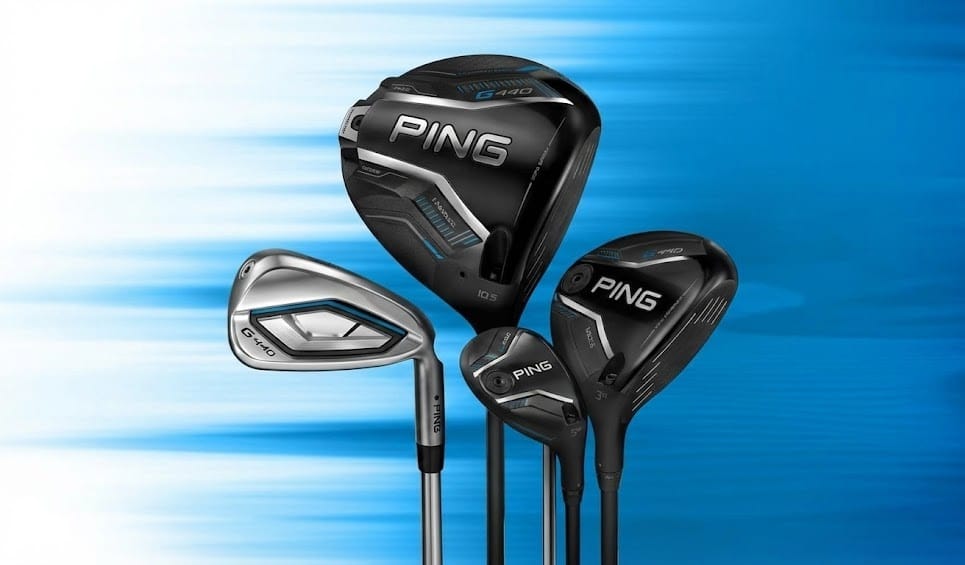
No, authentic Ping golf clubs aren't made in China. You'll find genuine Ping clubs manufactured exclusively at their Phoenix, Arizona, facility or their European headquarters in Gainsborough, England. If you've spotted "Ping" clubs claiming Chinese origin, you're looking at counterfeits. The company's maintained USA manufacturing since 1959. To guarantee you're getting the real deal, always purchase through authorized dealers. Similarly, it's important to be aware of where other brands are producing their equipment. For example, when considering PXG golf clubs manufacturing locations, you can rest assured that these clubs are produced with the highest standards in the USA. Ensuring you know the origin of your golf clubs can help in making informed purchases and defending against counterfeits.
You'll want to purchase from authorized dealers; that's your initial and strongest line of defense. Check for "Made in USA" labeling and Phoenix or Gainsborough manufacturing documentation. Examine the craftsmanship closely; genuine Ping clubs show consistent precision you won't find in counterfeits. Ultimately, register your clubs through official Ping channels. Their system will confirm whether your serial numbers match their production records.
PING sources club components from a global network before everything converges at their Phoenix headquarters. You'll find shafts and grips typically coming from Asian manufacturers, while raw metal ingots for club heads arrive from suppliers across Asia, Europe, and North America. The company doesn't disclose every supplier, but they maintain strict quality inspections on all incoming parts before any assembly begins.
Yes, Ping offers factory tours at their Phoenix, Arizona headquarters. You'll get guided access through production areas where over 200 workers handle shaft loading, assembly, regripping, and custom builds. You can observe computerized putter manufacturing and visit the famous Putter Vault with its gold-plated collection. Just know you'll need to schedule in advance, and they don't allow photography inside the facility.
Ping started manufacturing golf clubs professionally in 1967 when Karsten Solheim resigned from General Electric and moved operations from his garage to a dedicated factory in Phoenix, Arizona. That's when Karsten Manufacturing Corporation officially launched. However, you could argue the professional shift began in 1961 when Solheim relocated to Phoenix and introduced investment casting for better quality control, a clear step beyond hobbyist production.
You're not just buying a golf club when you choose Ping, you're getting equipment built by skilled American and British craftspeople who've dedicated careers to their trade. While competitors chase cheaper overseas labor, Ping's commitment to domestic production in Phoenix and Gainsborough means your custom-fit clubs receive genuine quality control, not assembly-line oversight. That's a rare thing in today's golf equipment market, and it's worth knowing.