There's no single "pro putter" you can buy to fix your stroke; tour players use everything from Scotty Cameron blades to TaylorMade Spider mallets to custom L.A.B. Golf designs. Right now, 62% of top-50 players favor mallet putters for their forgiveness, but guys like Justin Thomas still swear by classic blades for feel. What matters isn't the brand, it's matching the putter to your stroke, and understanding that difference changes everything.
When you look at what's actually winning on the PGA Tour in 2025, the image gets surprisingly clear, and it doesn't always match what the marketing departments want you to believe.
TaylorMade's Spider line dominates with 13 wins across 7 players, including Rory McIlroy and Scottie Scheffler, combining for 8 victories and 3 majors. The Spider Tour series has become one of the most recognizable putter models seen in the bags of top players. Scotty Cameron sits second with 11 wins spread among 10 pros, proving the blade putter remains deadly in skilled hands. Justin Thomas and Ludvig Åberg both rely on Scotty Cameron to secure their victories on tour. Odyssey and Ping tie at 7 wins each, while L.A.B. Golf's zero-torque designs grabbed 2 victories. L.A.B. Golf putters feature patented descending loft technology that helps professionals achieve better distance control on challenging greens.
Here's what matters: the Spider's forgiveness on off-center strikes gives it an edge when pressure spikes. But Scotty Cameron's Newport 2 carries Tiger's legacy for a reason: pure feel rewards precise strokes.
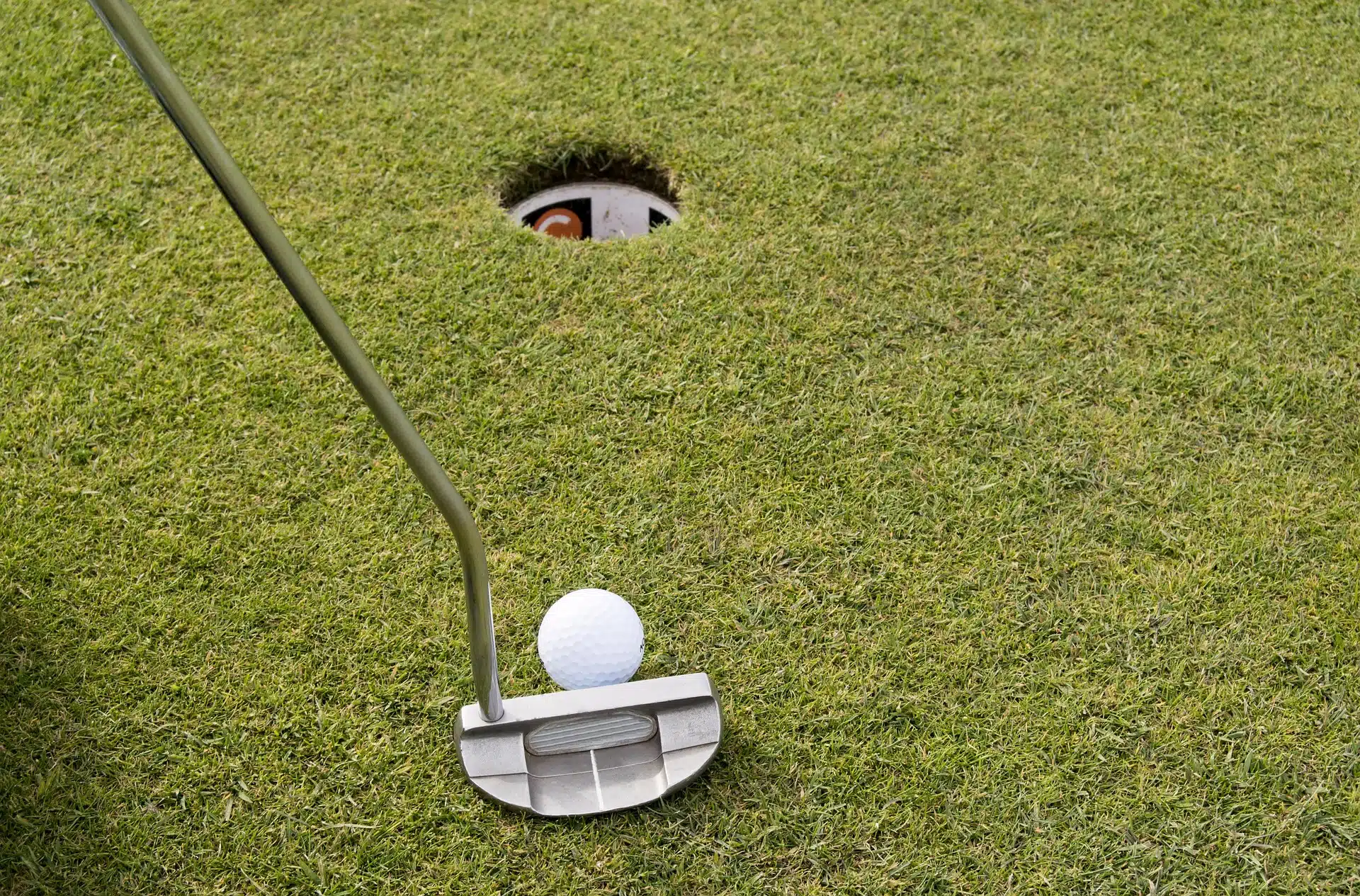
Five putters dominate the conversation right now, but most golfers pick the wrong one because they're chasing tour aesthetics instead of matching their stroke.
The Tommy Armour Impact No. 2 ranks best for 2025, crushing medium-length putts where you actually score. The Scotty Cameron Studio Style Newport 2 remains the tour darling, but that classic blade demands precise stroke mechanics. Runner Golf Blade earned second place with modular customization that adjusts to your game.
For mallet lovers, the TaylorMade Spider Tour delivers forgiveness through high MOI design, and off-center hits don't punish you. The Scotty Cameron Phantom 7 gives you alignment aids that pros actually trust. The Ping Oslo 3 earned top marks in testing for its consistency and feel across various distances. Over 85% of top-50 male professionals prefer mallet putters for the consistent results they deliver under tournament pressure.
Here's what matters: blade putters reward feel and control, mallets forgive mistakes. Your stroke type determines which category serves you better. Milled putters like the Odyssey Ai-ONE provide premium feedback and stability that help players gauge their performance on every stroke.
Because prototype putters rarely hit retail shelves, most golfers assume they're just cosmetic variations; that misconception couldn't be further from reality.
When Matt Fitzpatrick tested 30 Bettinardi prototypes before selecting his gamer, he wasn't chasing aesthetics. He demanded sharper C-Groove milling that matched specs from his teenage years. Max Homa's Scotty Cameron Phantom prototype addressed specific face control and speed issues that standard models couldn't solve.
You're witnessing genuine R&D in action. Kevin Burns pioneered modular designs with interchangeable necks and adjustable weights, letting pros evolve their putters alongside stroke changes. Cameron debuts Phantom iterations at events like the Sony Open, specifically for player feedback. Players can review any error messages in their performance data to identify exactly which prototype specifications address their putting weaknesses. Similar to how hybrids feature adjustable hosels for fine-tuning loft and lie angles, prototype putters offer tour players unprecedented customization options.
The takeaway? Tour prototypes represent precision engineering solutions to measurable putting problems, not marketing exercises dressed up as innovation. Kevin Burns putters deliver the smallest impact ratio on the market, giving tour professionals the truer roll they demand from their equipment.
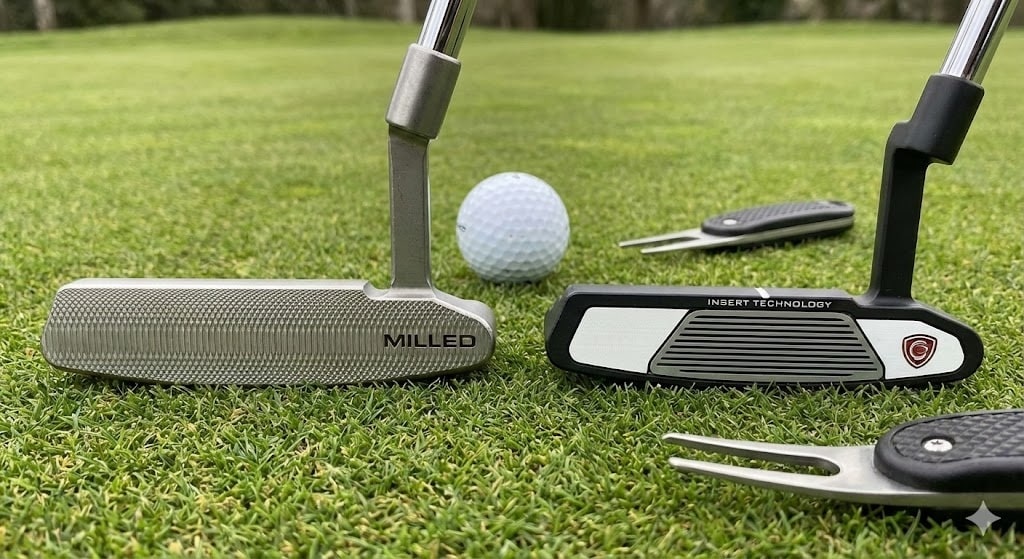
The numbers paint a stark image that demolishes the old "blades are for serious players" narrative. In 2022, 62% of top-50 OWGR players wielded mallet putters, up from 44% just four years earlier. Every single player in the top 10 now uses a mallet. That's not a coincidence; it's a verdict.
Here's what's driving the shift: mallet putters deliver higher MOI, meaning your mishits don't punish you as severely. Their larger footprint creates stability you can feel, and those alignment aids aren't training wheels; they're precision tools that help you square the face consistently. For players who want mallet benefits with a traditional look, half-mallet designs offer the best of both worlds. Mallets are particularly well-suited for golfers who use a straight-back and straight-through stroke, which has become increasingly common on tour.
Blades still have their place if you've got an arc-style stroke and crave tactile feedback. Their concentrated weight in the heel and toe provides more control, making them better for longer putts and fast, smooth greens. But the tour's money-makers have spoken clearly with their equipment bags.
Scotty Cameron, TaylorMade, PING, and Bettinardi dominate the bags of elite players, but not for the reasons equipment marketers want you to believe.
The Scotty Cameron Studio Style Newport 2 remains the gold standard blade on tour because of its clean sightlines and precise feedback, not because of any magic formula. TaylorMade's Spider Tour earns its spot through genuine stability. Scottie Scheffler and other top earners trust its perimeter weighting to eliminate twisting on off-center hits.
PING's Scottsdale Prime Tyne 4 suits players with heel-shafted strokes who need distance control on longer putts. Bettinardi's BB1 competes head-to-head with Cameron blades in craftsmanship. You'll also spot Odyssey's 2-Ball Eleven Triple Track and L.A.B. Golf's DF3 when pros need alignment assistance. PXG's Battle Ready II Torpedo has also gained attention for its S COR Technology that uses a lightweight polymer core 30% lighter than traditional steel while maintaining exceptional stability through impact.
Beyond the specific models you'll see on leaderboards, a handful of manufacturers control what professionals actually putt with, and their dominance shapes everything from R&D investment to what ends up in your local pro shop.
Odyssey, TaylorMade, Scotty Cameron, Ping, and L.A.B. Golf collectively command roughly 30-35% of the professional market. That concentration isn't accidental. When Adam Scott drains a 20-footer with his Scotty Cameron, you'll notice—and so will millions of viewers who suddenly want that exact putter. The broader putter market reflects this influence, with projections showing growth from $3.6 billion to $5.1 billion between 2025 and 2034.
Here's what matters for you: these brands earn tour presence through genuine performance, not just marketing budgets. Tour players don't compromise their careers for endorsement checks. The technology you're seeing, AI-designed faces, zero-torque systems, and multi-material construction, gets validated under pressure before it reaches retail shelves. Independent testing confirms this approach works, with comprehensive evaluations of 60+ models revealing that performance advantages hold up across price points. Just as matching equipment to skill level proves essential when selecting golf balls, choosing the right putter technology depends on your individual stroke characteristics and preferences.

Professional golfers rarely change putters during a season. You might assume they're constantly chasing the next hot model, but that's a misconception. Most pros stick with one putter for years, sometimes a decade or longer. They'll only make a switch mid-season if something feels fundamentally off. You shouldn't interpret their loyalty as resistance to change; it's about protecting hard-earned feelings and consistency under pressure.
The traditional reverse-overlap grip dominates; roughly 85% of the PGA Tour's best putters use it. You'll find Tiger, Rory, and Dustin Johnson in this camp. Left-hand low comes in a distant second at around 8-15%, popularized by Jordan Spieth. The claw grip, used by Scottie Scheffler and Phil Mickelson, represents a small fraction. Don't let trendy alternatives distract you; the conventional grip works for a reason.
Yes, some pros swap putters based on green speed, but it's less common than you'd think. You'll see players carry a blade for firm, fast surfaces where touch is critical, then switch to a mallet on slower greens for stability. However, most pros customize weighting or modify their existing putter rather than changing models entirely. It's about feel adjustment, not wholesale equipment swaps.
You'll spend between $800 and $1,500 for most custom tour prototype putters, though that number climbs fast. Base models start around $800-$900, but neck customizations, specialized finishes, and precision milling push costs higher. Want something truly exclusive? Scotty Cameron prototypes and rare tour-spec models regularly hit $3,000-$4,000. The price reflects genuine craftsmanship and R&D investment, not just marketing fluff.
Yes, you can buy the same putter models pros use, Scotty Cameron, Odyssey, TaylorMade Spider, they're all sitting on retail shelves right now. Here's the catch: tour players often use customized prototypes with tweaked weights, lofts, and finishes you won't find at Golf Galaxy. You'll get the same core design and technology, but not their exact spec. Custom fitting closes that gap markedly.
You don't need a tour pro's putter to sink more putts; you need the right putter for your stroke. The pros use what fits their eye and mechanics, period. Whether that's a $400 Scotty Cameron or a decade-old Odyssey doesn't matter. Get fitted, trust the face you're comfortable with, and stop chasing equipment trends. Your stroke is what makes putts, not the brand on the head.