You'll see the same three brands dominating every PGA Tour leaderboard: FootJoy, Nike, and Adidas. Justin Thomas and Shane Lowry wear FootJoy, Scottie Scheffler rocks Nike Victory Tours, and Collin Morikawa trusts Adidas Tour360s. There's no secret pro-only technology; these players simply get better-fitting sessions and complimentary gear. The real question isn't which brand the pros wear, but which features actually matter for your game.
When you look at what the best players in the world actually put on their feet, the marketing noise fades away pretty quickly.
Three brands dominate the PGA Tour, and the split tells you everything. FootJoy leads the pack with 40 percent of the top 10 players, including Justin Thomas in the HyperFlex and Shane Lowry in the Premiere Series. As the number one shoe on the PGA Tour, FootJoy's dominance among elite players comes as no surprise. Nike holds strong with 30 percent. You'll spot Scottie Scheffler and Rory McIlroy both wearing Victory Tour models. Adidas matches Nike's share, with Collin Morikawa and Sepp Straka trusting the Tour360 24. The Adidas TOUR360 has earned high praise for its stability and comfort at the tour level.
Here's what's striking: these three brands account for 100 percent of the top 10 player equipment selections. Puma, Ecco, and emerging players like G/FORE are gaining traction, but elite professionals stick with the proven performers.
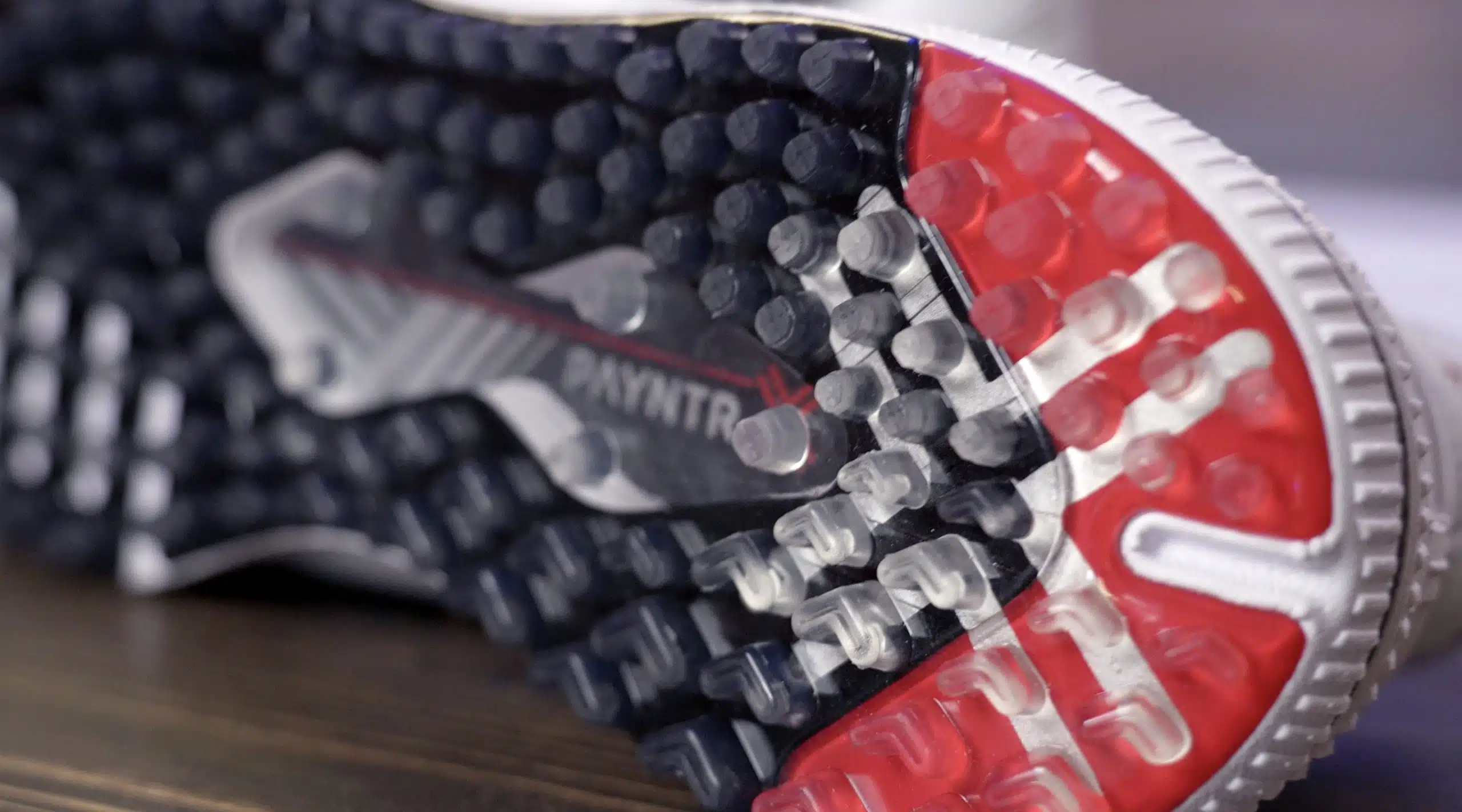
Brand loyalty runs deep on tour, but the spiked versus spikeless debate cuts across those allegiances entirely.
Here's the reality: pros don't pick a side and stick with it. They treat shoes like another club in the bag, selecting based on conditions, not dogma. You'll see the same player wearing spikes for a soggy morning round at a major, then switching to spikeless for dry afternoon practice.
The myth that spikeless shoes can't deliver serious traction? Modern outsole technology has demolished that argument. However, when rain hits, or you're navigating a hilly links course, spikes still provide undeniable grip during aggressive swings. Before heading to any course, check the club rules in advance since some venues prohibit spiked shoes entirely or ban metal spikes specifically. Many pros also appreciate that spikeless designs offer lighter weight and versatility for off-course wear between rounds.
Your takeaway: condition-match your footwear. Dry and flat? Spikeless offers comfort and versatility. Wet or uneven terrain? Spikes earn their place. If you have a high swing speed, spiked shoes may give you the extra stability needed to maximize power through impact.
Tour bags reveal what actually works, not what marketing departments want you to believe.
Jon Rahm trusts Cuater's Wildcard Leather for its premium waterproofing and durability. Dustin Johnson, Collin Morikawa, and Xander Schauffele all reach for Adidas ZG21s, lightweight, spikeless, and built for all-day comfort without sacrificing traction. Adidas continues to dominate spikeless technology with designs that perform exceptionally on firm ground.
Justin Thomas and Webb Simpson stick with FootJoy Premiere Series Tarlows, proving classic designs still dominate when paired with modern waterproofing technology. The FootJoy Premiere Series maintains a 4.6 rating with 182 reviews from golfers who appreciate that same tour-level quality. Brooks Koepka takes a different approach with Nike Air Zoom Infinity Tours, borrowing responsive cushioning from running shoe innovation for speed-focused performance.
Rory McIlroy rounds out the elite choices with Nike Tour Victory 4s, prioritizing grip and durability across tournament conditions. Bryson DeChambeau opts for Puma Ignite Pwradapt Caged shoes, which deliver maximum stability and traction through their adaptive fit system.
You'll notice these pros prioritize function over flash, and waterproofing, traction, and comfort trump aesthetics every time.

Professional golfers obsess over five non-negotiable features that separate tour-worthy footwear from expensive disappointments, and none of them appear in glossy advertisements.
You'll notice pros demand outsoles with strategic flex grooves and varied nub heights that actually penetrate turf rather than skate across it. They're hunting for built-in arch stabilizers that prevent foot sliding during aggressive weight transfers, something casual golfers rarely consider.
Lateral support matters more than cushioning comfort. That TPU running up the side of premium models locks your foot at impact when forces spike dramatically. Tour players also prioritize biomechanically engineered designs with energy-returning foams that guide natural foot motion through the swing. Systems like UA HOVR™ foam paired with Charged Cushioning® deliver this responsive energy return that professionals demand.
Waterproof membranes aren't optional; they're mandatory. You're playing in morning dew, unexpected rain, and soggy conditions regardless of the forecast. The wide rubber soles on premium golf shoes offer balance and stability during swings while preventing foot fatigue across miles of course navigation. Premium options feature removable Ortholite insoles that maintain support without compressing over extended tournament play.
While manufacturers flood Instagram with claims about "revolutionary" cushioning systems and "game-changing" traction patterns, the actual technology driving pro-level golf footwear in 2024 boils down to three engineering categories that genuinely affect performance.
Cushioning That Actually Matters
You'll find HOVR midsoles, Jet Boost technology, and FlyteFoam Drive dominating tour bags because they deliver measurable energy return without sacrificing stability. PMX foam consistently scores 9.8 in performance testing—that's not marketing fluff. The Under Armour Phantom Fore utilizes UA Hovr+ cushioning specifically designed for impact reduction during play. FootJoy's Hyperflex takes this further with a full-length Stratofoam midsole engineered for higher rebound throughout the swing. ECCO's approach differs with their FLUIDFORM™ cushioning technology, which uses a direct injection process that bonds the midsole into one piece for consistent cushioning that remains supportive over time.
Traction Engineering
Dynamic torsion bars provide forefoot elasticity during your swing, while flexible undercut lugs maintain turf connection without the maintenance headaches of traditional spikes.
Closure Systems
BOA Fit System dominates because it enhances energy efficiency and durability. The TruFit System's tongue-to-heel-collar connection creates genuine wraparound support that doesn't loosen mid-round.

You'll find most pros replace their golf shoes every 12 to 18 months, though many swap them out after just 15 to 20 tournament rounds. Don't confuse this with spike maintenance; they're changing those every 12 to 15 rounds. The reality? Pros rotate multiple pairs, extending each shoe's life while ensuring peak traction. Sponsor contracts and product launches often dictate timing more than actual wear.
Yes, pros absolutely receive free golf shoes from their sponsors. Sponsorship agreements enable professional golfers to receive the latest equipment before its public release, facilitating early testing and feedback. But don't mistake "free" for charity; these deals are transactional. Players become walking billboards, and brands gain credibility when tour winners wear their shoes. Beyond free gear, sponsored athletes often receive significant compensation, making footwear endorsements a legitimate revenue stream.
Yes, you can buy the same shoes. This isn't a case where pros get secret, upgraded versions; manufacturers design tour models specifically for retail distribution. You'll find Scottie Scheffler's Nike Victory Pro 4, Justin Thomas's FootJoy HyperFlex, and Rory McIlroy's Victory Tour 4 at PGA Tour Superstore and major online retailers. Same specs, same materials, typically priced between $120-$200.
Yes, they absolutely do. You'll find pros reaching for cushier, spikeless models during practice when they're grinding for hours on the range. Come tournament time, they switch to spiked shoes with advanced stability features, think carbon-fiber plates and lateral support, to enhance ground reaction force during their swing. It's a practical split: comfort for the long haul, performance tech when it counts.
Custom golf shoes for professionals average around $500, but that figure's misleading without a framework. You're paying for artwork complexity, premium materials, and specialized craftsmanship, so costs swing wildly above or below that benchmark. A straightforward colorway runs less, while intricate designs with multiple leather types and tailored details push the price considerably higher. The real driver isn't the shoe itself; it's your design ambitions.
You don't need a tour player's exact shoe to play great golf. What you need is a proper fit, adequate traction for your swing, and comfort that lasts 18 holes. The pros wear what their sponsors pay them to wear; you've got the freedom to choose what actually works for your feet and your game. That's an advantage worth using.