Mizuno forges all its Grain Flow Forged iron heads at a single facility in Hiroshima, Japan. They've been doing it since 1968 and haven't wavered. The forging plant produces 6,000 clubheads daily using a 1,000-ton hammer press and 1025E carbon steel heated to 1200°C. Custom assembly happens at their Braselton, Georgia, facility, but your forged clubhead's origin is always Hiroshima. Understanding this distinction matters when you're evaluating what you're actually paying for.
When you hear "forged in Japan," marketing teams want you picturing ancient samurai swordsmiths hammering away in some misty mountain workshop. The reality at Mizuno's Hiroshima Forging Plant? It's a modern industrial facility cranking out 6,000 clubheads daily in partnership with Chuo Industries Ltd.
That doesn't diminish what happens there. You're looking at Mizuno's exclusive iron forging operation—the only place on earth where their irons get made. The process starts with six-meter 1025E carbon steel rods, laser-cut into billets, then heated to 1200°C before a 1,000-ton hammer press strikes each piece four times. A skilled craftsman operates a pneumatically controlled air hammer press, monitoring material filling and grain flow with each strike. This bending and stretching process ensures continuous grain flow from heel to toe, which translates to better vibration feedback and feel in the finished club.
Every loft gets its own forging mold. This isn't assembly-line sameness, it's precision manufacturing at scale. After forging, skilled craftsmen at Mizuno Technics perform meticulous hand grinding to ensure each club meets exacting quality standards. The plant represents Mizuno's actual competitive advantage: controlled, consistent, genuinely Japanese production.
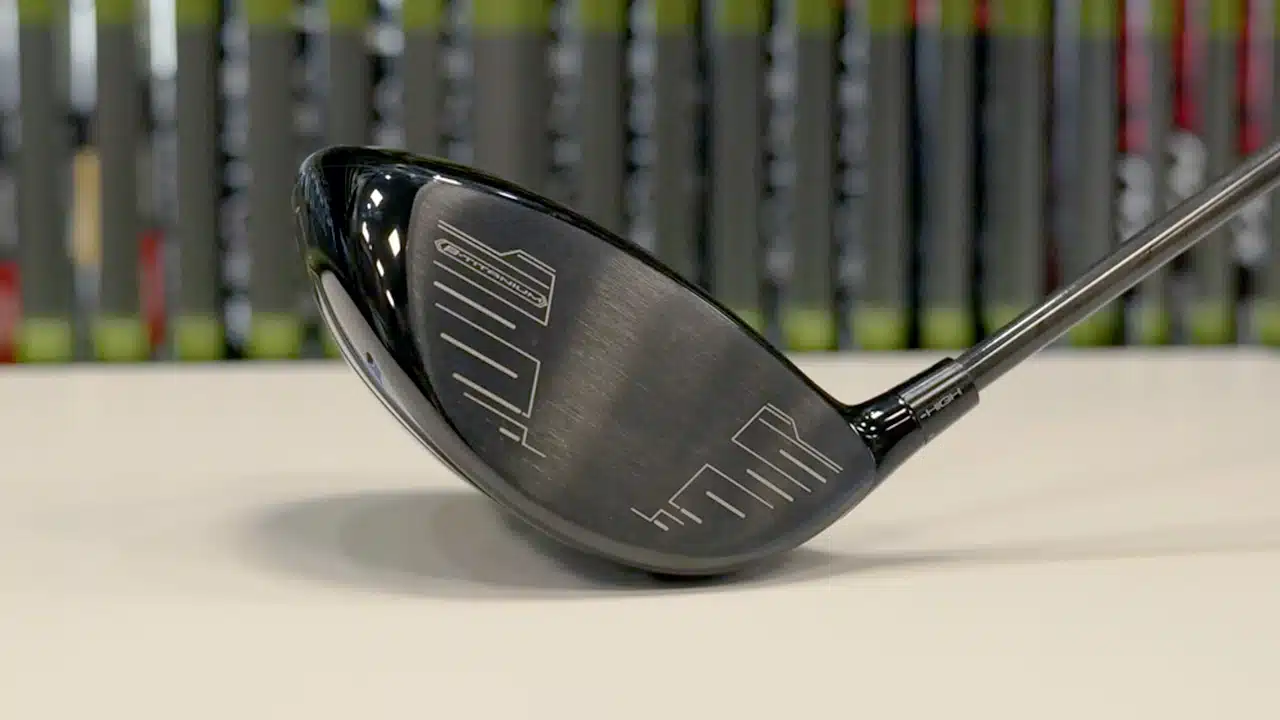
Because Mizuno won't shut up about "Grain Flow Forging," you'd be forgiven for assuming it's just another marketing buzzword designed to justify premium pricing. Here's the truth: the process is legitimately different from casting, and you'll feel it at impact.
The process begins with 1025E carbon steel billets heated to 1200°C, maintaining natural grain lines throughout. A 1,000-ton hammer press strikes each billet four times, flowing those grains outward while eliminating microscopic air bubbles that plague cast clubheads. Each loft gets its own dedicated forging die—no shortcuts. The continuous grain flow running from heel to toe delivers enhanced consistency in both vibration and feel. Unlike brands that rely on cost-effective manufacturing in Asia for most components, Mizuno keeps its forging process entirely in-house.
After cookie-cutter trimming removes excess flash, secondary precision forging under hydraulic pressure tightens and elongates the grain structure into its final form. Shot-blasting, stamping, and a two-hour barrel treatment with thousands of tiny stones complete your clubhead. This meticulous process takes place at Mizuno's factory in Hiroshima, Japan, where craftsmen have maintained these exacting standards for decades.
Although forged clubheads arrive from Japan with Mizuno's proprietary grain structure intact, the assembly process in Braselton, Georgia, determines whether that craftsmanship translates to your swing. This 520,000-square-foot facility mirrors Mizuno's Japanese custom house practices, which is not marketing speak. The 150-person team uses custom-designed machines for precise shaft installation, tape wrapping, and grip work based on your exact specifications. Here's what matters: daily output reaches 4,000 to 6,000 clubs, including fully custom orders. The Foundry, Mizuno's on-site fitting center, handles laser engraving and loft/lie adjustments while you wait. You're getting Japanese forging precision combined with American assembly speed. The personalized fitting process and custom manufacturing typically add 10% to 30% over standard club prices, but you're paying for precision that off-the-rack options can't match. Don't overlook this; every custom order flows through the same exacting process used in Japan, ensuring your clubs match Mizuno's standards regardless of where assembly occurs.

While Mizuno's forging reputation centers on its Hiroshima facility, the company's design decisions actually originate 200 miles away in Osaka, a distinction most golfers don't realize matters.
You're looking at MIZUNO ENGINE, a 6,500-square-meter innovation center that opened in November 2022 after a 5-billion-yen investment. This isn't just office space; it's where CAD engineers, biomechanics specialists, and club designers work under one roof with impact test rooms, an athletic track, and artificial turf for real-time prototype validation.
The setup accelerates everything. Designers measure, prototype, and test without shipping components between facilities. That co-location explains how Mizuno revises faster than competitors, relying on fragmented R&D operations. This integrated approach mirrors how other premium manufacturers like Ping utilize advanced computerized systems and detailed work order processes to maintain quality control throughout production. The company's commitment to innovation extends to the U.S., where Mizuno USA Inc. recently broke ground on The Foundry, a new research facility in Johns Creek, Georgia, that will offer custom builds based on techniques from the Yoro, Japan artisans' factory.
Since 1906, Osaka has remained Mizuno's strategic brain. Hiroshima forges the heads, but Osaka decides what gets forged.
Where exactly does Mizuno forge your irons? Let's cut through the confusion. You've probably heard rumors that Mizuno shifted production overseas or outsourced their forging process. Here's the truth: all Grain Flow Forged Mizuno irons come exclusively from their Hiroshima facility in Japan. That's been the case since 1968.
The misconception stems from a legitimate distinction most golfers miss. Mizuno's forged irons, their flagship products, never leave Japan for manufacturing. However, cast and multi-compound clubhead models are produced at alternative locations outside Japan. This domestic commitment mirrors how Titleist produces its Pro V1 and Pro V1x golf balls at facilities in Massachusetts rather than outsourcing its premium products. Similarly, understanding the impact of manufacturing locations is crucial when considering brands like Takomo Golf Clubs manufacturer location. The strategic choices made by these companies often reflect their commitment to quality and craftsmanship. As golfers seek performance and reliability in their equipment, the origin of production can significantly influence their purchasing decisions.
Your custom assembly might happen in Braselton, Georgia, where the US facility churns out 6,000 clubs daily. But the forged heads themselves? They're born in Hiroshima, enhanced at Mizuno Technics, then shipped for final assembly. The manufacturing locations of Titleist clubs span various cities, each contributing to the meticulous process. In addition to Braselton and Hiroshima, several European factories also play a critical role, ensuring quality and precision in every piece. This global network allows Titleist to maintain its reputation for excellence in the competitive golf market. The process of quality control ensures that every club meets strict performance standards before reaching customers. Additionally, ping golf clubs manufacturing locations are strategically chosen to maximize efficiency and craftsmanship in production. This global network allows for innovative designs and technology to be incorporated into each swing, enhancing the game for players everywhere.

You'll typically wait 2–4 weeks for your custom-assembled Mizuno clubs. I know that feels like forever when you're enthusiastic to play, but here's the reality: your club heads are forged in Japan, hand-finished by dozens of craftsmen, then shipped to Georgia for final assembly with precision epoxy work. Order complexity, current demand, and shipping logistics can push that timeline around, but that's your realistic window.
Mizuno offers both steel and graphite shafts for their forged irons, but let's cut through the noise, steel dominates their lineup for good reason. You'll find proprietary options like the C Taper Lite alongside industry standards like True Temper Dynamic Gold and KBS shafts. Flex options span from senior (A) through extra stiff (X). Don't guess, Mizuno's fitting tools exist specifically to match your swing movements.
No, Mizuno putters aren't forged in Hiroshima like their irons. Here's the reality most golfers miss: while Mizuno's irons come from that legendary Japanese forge, their putters are actually forged and milled in China. The reason? Mizuno's Japanese plants lack the CNC milling tools needed for putter faces. You're still getting quality 1025 carbon steel, but the craftsmanship origin differs considerably between product lines.
Mizuno typically backs their clubs with a 1-to-2-year limited warranty covering manufacturing defects—not the scratches, worn grips, or mishits you'll accumulate through honest play. You'll need your proof of purchase, and they'll inspect the club before deciding on repair or replacement. Don't expect a refund. Register your purchase online if possible, and keep that receipt. It's solid coverage for genuine craftsmanship issues, nothing more.
You're not paying for a marketing story; you're paying for genuine Japanese craftsmanship. Every Mizuno iron starts at their Hiroshima facility using proprietary Grain Flow Forging, then gets finished in Georgia for the US market. That's the reality behind the "Made in Japan" reputation. When you're spending premium money on forged irons, Mizuno's manufacturing transparency gives you something most brands can't: proof your investment is justified.