
You'll save five minutes every morning by storing your tees in eye-level hanging organizers with clear pockets; they're like apartment buildings for your shirts! Open shelving works great too, letting you see every folded tee at once. Try file-folding your shirts so they stand upright like books in drawers, or use under-bed rolling bins for seasonal tees you don't wear often. The secret's keeping everything visible and within arm's reach, and there are even more clever solutions that'll change your closet chaos.
When you're rushing to get dressed in the morning, the last thing you want is to dig through a messy pile of t-shirts! That's where smart storage solutions come in handy. You'll love how drawer dividers keep your tees separated by color or style, making each shirt instantly visible. Consider getting a drawer organizer with 16 grids like the ones available for just $7.03, which can neatly compartmentalize your entire t-shirt collection. If you're short on drawer space, try hanging closet organizers; they let you store shirts vertically in fabric compartments that hang right on your closet rod. For open shelving, grab some storage baskets to keep your folded tees neat and accessible. The reality is: under-bed rolling bins work perfectly for seasonal shirts you don't wear often. With adjustable shelving units, you can customize your setup to fit your exact needs and change it whenever you want. Similar to how golfers use compartmentalized storage in their bags to organize equipment, dividing your t-shirt storage into sections helps you quickly locate exactly what you need. The key is maintaining organization by folding your t-shirts immediately after they come out of the dryer, which prevents wrinkles and keeps your system running smoothly.

Even though you've got the perfect storage setup, your t-shirts won't stay organized unless you fold them properly. The fact of the matter is, the right folding technique can cut your selection time in half! Try the "pinch and fold" method: pinch your shirt at the shoulder and mid-body, then fold everything in one smooth motion. Start by pinching a third down from the neck and creating an imaginary line parallel to the shirt's bottom for perfect alignment. It takes just 3-4 seconds per shirt once you get the hang of it.
Want perfectly uniform stacks? Grab a folding board for about $10. You'll place your shirt on it, follow the fold lines, and boom, every shirt looks identical. This trick keeps your drawers looking sharp and makes grabbing shirts super easy. Plus, when you fold along natural seams without pulling the fabric, your tees last way longer. For best results, lay your shirt completely flat before starting any folds to prevent unwanted creases and ensure a crisp finish. Just like golf bags with full-length dividers keep clubs organized and accessible, proper folding creates designated spaces that make finding your favorite tee instant.
Your freshly folded tees look great, but they'll turn into a jumbled mess if you don't sort them into categories that actually make sense for your lifestyle. Start with the simplest system, group by how you use them. Put workout shirts in one section, casual tees in another, and work-appropriate ones separately. This means you're not digging through concert tees when you need gym clothes!
Next, sort by color within each category. Line them up from lights to darks, or follow rainbow order if you're feeling fancy. You can also separate shirts by fabric type since cotton tees fold differently than dri-fit or delicate materials. The important point is: combining function with color creates a system where you'll grab the right shirt in seconds. Just like how golf bags feature purposeful pockets designed for specific gear, your t-shirt organization should have dedicated spaces for each type. Keep seasonal items separate, too; there's no point having tank tops mixed with long sleeves in December. Stick to 8-12 groups total across your entire closet to keep the system manageable and prevent overwhelm.
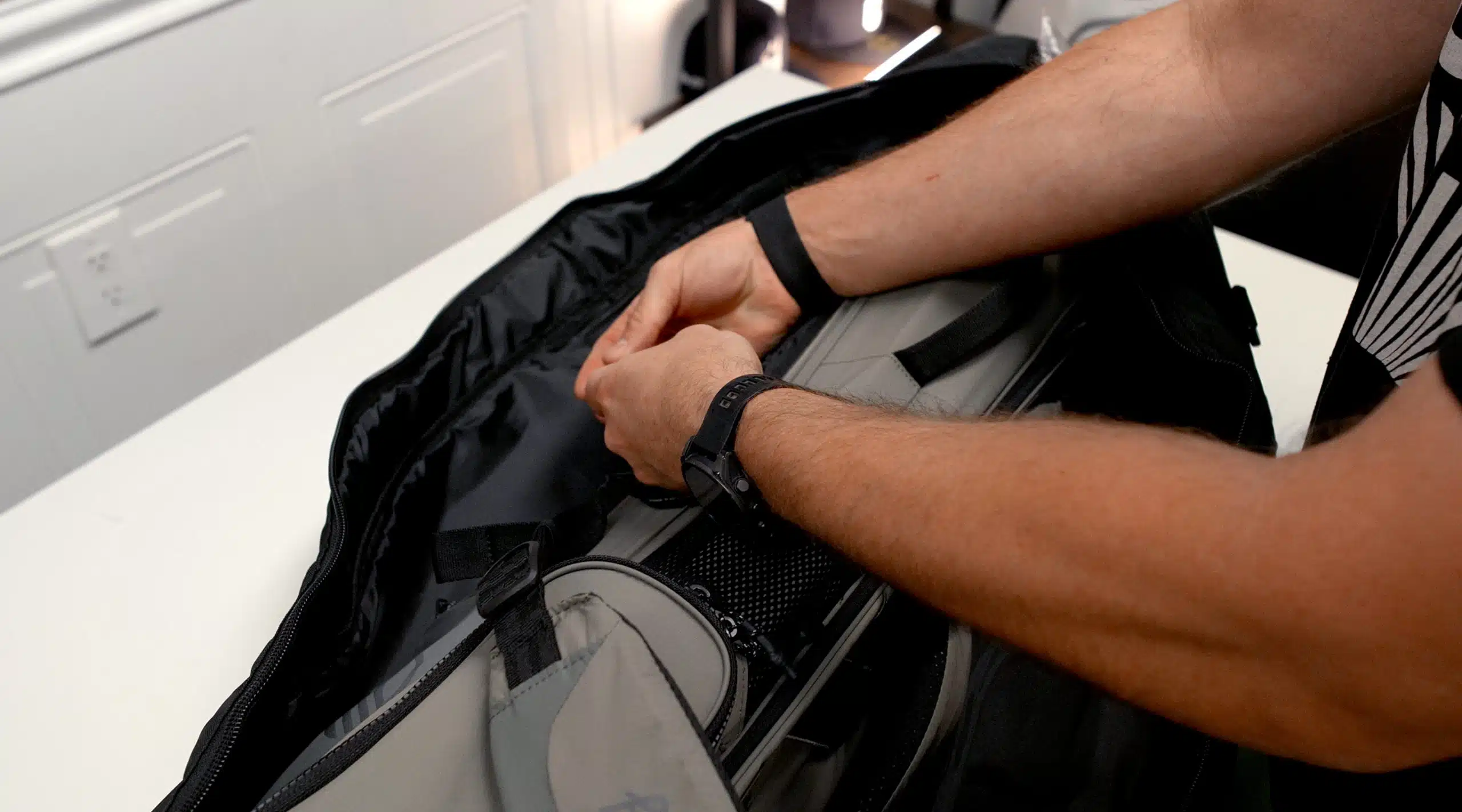
After you've sorted your tees perfectly, the last thing you want is to stuff them into a dark drawer where you can't see anything. That's where smart storage comes in! Hanging organizers with clear pockets let you spot your favorite band tee instantly. They'll optimize your vertical space too, which is perfect when you're working with a tiny closet.
Open shelving gives you the best visibility; you'll see every folded shirt at a glance. Pair them with bins for extra organization. Shelf dividers in metal or acrylic help keep your folded tee stacks from toppling over when you grab one from the middle. If you prefer drawers, grab some dividers to keep everything separated and wrinkle-free. Consider investing in full-extension drawers that pull out completely so you can see and reach every tee in the back. The key point is: transparent storage bins work great for seasonal tees since the clear sides show you exactly what's inside. Just like golf bags with magnetic rangefinder pockets and specialized compartments, your tee storage should have designated spots for different types. And don't forget about over-the-door organizers, they turn wasted space into prime storage real estate!
Once you've set up your perfect t-shirt organization system, you'll need to maintain it; otherwise, that neat closet will turn into chaos again within weeks. Think of it like your car: skip the oil changes, and you're looking at bigger problems down the road.
Here's the thing: you don't need daily maintenance. Just spend five minutes each week refilling shirts that ended up in the wrong spots. When seasons change, rotate your tees so summer favorites move back and winter ones come forward. This prevents that annoying dig-through-everything scenario when you can't find what you need!
Set a monthly reminder to reassess what's working. Maybe those dividers need adjusting, or you've outgrown certain shirts. Small tweaks now prevent total system breakdowns later. Just like businesses need proactive maintenance to keep their operations running smoothly, your closet system needs regular attention to prevent small issues from becoming major reorganization projects. Studies show that predictive maintenance approaches can reduce costs by up to 30%, and the same principle applies to home organization; spotting problems early saves you from complete overhauls. Much like how premium golf bags use magnetic closures for satisfying clicks and easy access to compartments, your organization system should offer intuitive, quick access that becomes second nature over time.
Five game-changing tricks can change your t-shirt storage from chaotic mess to organized masterpiece, and they're easier than you'd think. To begin, sort by rainbow order (ROYGBV) plus neutrals, you'll spot what you need in seconds. Second, try file-folding, where each shirt stands upright like a book spine, letting you see every graphic tee without disturbing the pile. Third, group by fabric type: keep your Dri-Fit separate from delicates to prevent damage. The important part: army rolling creates compact cylinders that save 30% more space than traditional folding! Ultimately, use eye-level hanging organizers with multiple compartments; they'll convert dead vertical space into prime storage real estate. Consider adding magnetic pockets to your closet door for small accessories like collar stays or cufflinks that often get lost in drawers. Mix these techniques based on your collection size, and you'll never dig through messy drawers again.

You should keep 10-15 t-shirts total in your wardrobe. Here's the breakdown: 5-6 casual tees for everyday wear, 2-4 workout shirts, and 3-4 sleep shirts. This covers a week's worth of outfits between laundry days! Most people own 20-30 shirts but rarely wear half of them. Keep only the ones you actually reach for—those comfy favorites that fit well and make you feel good.
You can store t-shirts with other clothes, but it's not ideal. When you mix tees with bulkier items like sweaters, the shirts at the bottom get crushed and forgotten. Instead, give your t-shirts their own drawer or bin—they'll stay wrinkle-free and you'll actually wear them all! If space is tight, use file folding to stack them vertically. This way, you'll see every shirt and grab what you need quickly.
Yes, you should definitely wash new t-shirts before organizing them! Those fresh-from-the-store tees contain manufacturing chemicals like formaldehyde that can irritate your skin. Plus, they've been handled by countless people during production and shipping. Just toss them in with similar colors at 30-40°C using gentle detergent. This removes chemical residues, kills bacteria, and softens the fabric. Your skin will thank you, and your shirts'll last longer too.
You'll want to store vintage tees flat with acid-free tissue paper between each shirt. Place them in breathable cotton bags or acid-free boxes—never plastic containers that trap moisture! Keep your storage spot cool and dry, away from sunlight. The important part is: add silica gel packets to control humidity, and toss in some lavender sachets for freshness. For super delicate pieces, consider padded hangers made from unbleached cotton instead.
You'll prevent permanent fold creases by placing acid-free tissue paper between each fold—it acts like a protective barrier. Don't fold your shirts too tightly, and the key point is: refold them every 3-4 months to shift those crease lines. Store them loosely in drawers without overstuffing. For even better results, try rolling instead of folding! Keep your storage area cool and dry, since moisture makes creases set deeper.
You've got all the tools now to convert your t-shirt chaos into an organized system that actually works. Start with just one drawer this weekend, fold five shirts using the file method, and see how much easier your mornings become. Once you experience grabbing exactly what you want in seconds, you'll wonder why you didn't do this sooner! Remember, the best system is the one you'll actually use, so tweak these tips to fit your life.

