You'll want to store your golf balls in the front pocket closest to your bag's handle—it's right at hand level when you're walking or riding. This pocket should hold 4-6 balls comfortably without them rattling around. The point is: most golfers waste time digging through multiple pockets, but dedicating one specific front pocket creates muscle memory. Choose one with a zipper or magnetic closure to prevent spills. The right storage spot can change your entire round's rhythm.
When you're looking for the perfect spot to store your golf balls, you've got three main options to contemplate in most standard golf bags. Your front pockets are the clear winners here; they're right at hand level when you're standing next to your bag. Most bags have three front pockets, and one is usually perfect for balls. Properly positioning your umbrella in a golf bag is also crucial for maintaining ease of access to your gear. By ensuring the umbrella is stored securely yet conveniently, you can avoid any distractions while focusing on your game. This attention to detail can make a significant difference on the course, allowing you to stay organized and prepared for any weather conditions.
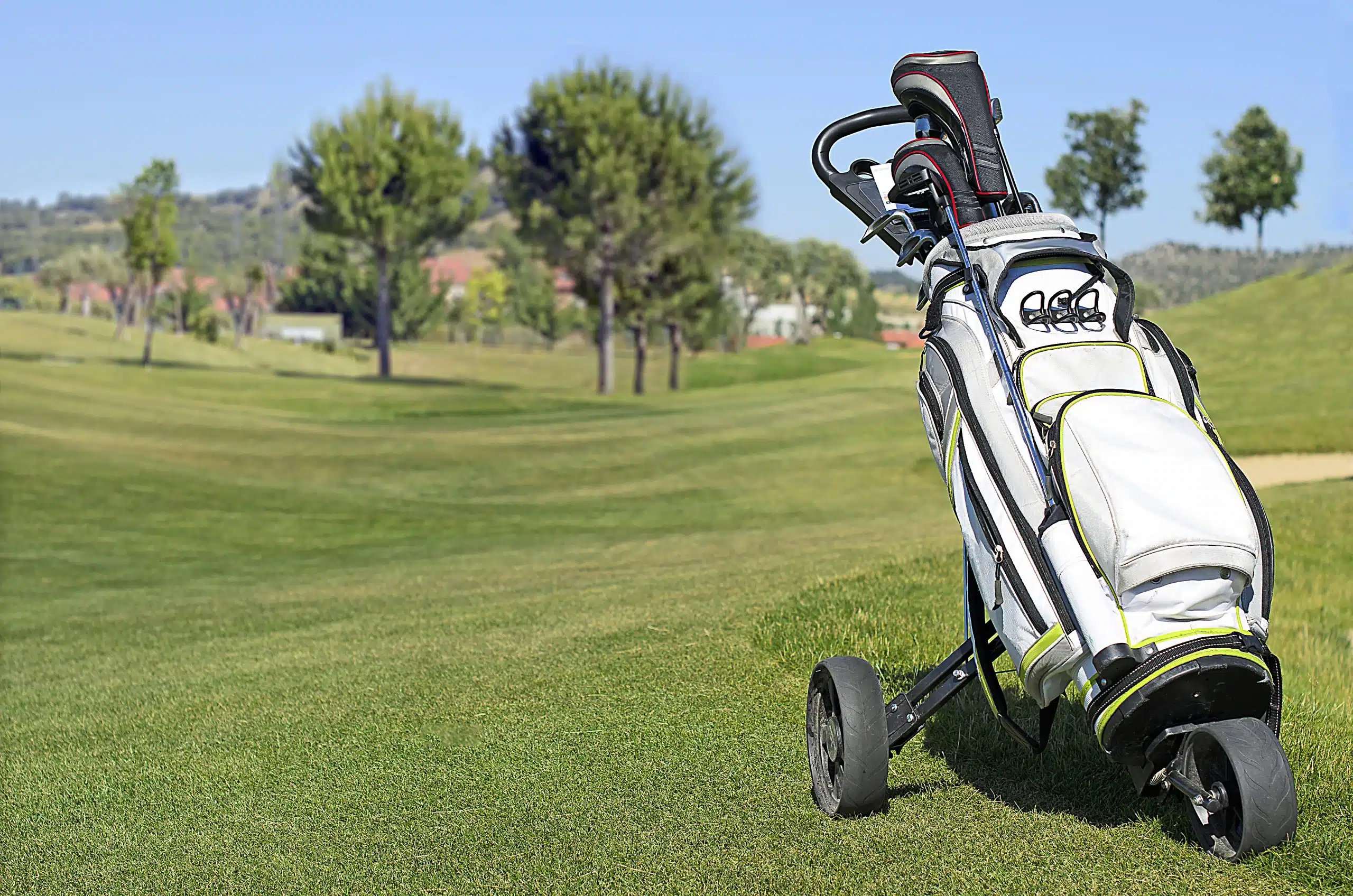
Here's the thing: your back pocket might seem tempting because it's deep, but you'll waste time digging around for balls you need right now. Side pockets? They're better for water bottles and larger items. The middle or upper front pocket works best; you can grab balls without bending down or shuffling your bag around. Many modern bags feature magnetic closures that make accessing your golf balls even quicker and more secure. Premium bags like the Prime Mini Staff offer antimicrobial lining in their personal pockets, keeping your golf balls cleaner during storage. This follows the principle of placing frequently used items in high real estate areas for maximum convenience during your round. If you're right-handed, pick the right-side front pocket for even faster access!
Three key zones in your bag's divider system will change how you play, and you'll wonder how you ever managed without this setup. Your top dividers should hold woods and hybrids, the middle section's for irons, and the bottom compartments store wedges and your putter. This arrangement isn't random; it follows your natural club selection during a round.
You'll grab woods from the back for tee shots, reach middle slots for approach irons, then access front wedges near the green. The point is: full-length dividers keep clubs from tangling, while 14-way systems give each club its own protected slot. Modern bags like the PING Hoofer feature anti-flex walls that maintain their shape even when fully loaded, ensuring your divider system stays organized throughout your round. Even with 4-way or 6-way dividers, you're grouping clubs by type, which speeds up your selection time and prevents that annoying metal-on-metal clanking during transport. This strategic placement also improves weight distribution throughout your bag, making it more comfortable to carry during your round. Proper dividers contribute to better club handling and overall game performance by keeping each club secure and easily accessible.
Most golfers toss everything into the same pocket: balls, tees, markers, creating a jumbled mess that'll slow you down when you need something fast. You'll want to dedicate one pocket exclusively for your golf balls, holding about 9-10 balls for a full round. Keep your tees in a completely separate compartment; they'll stay organized and won't poke holes in your ball pockets.
Here's the thing: small front-facing pockets work perfectly for tees and ball markers, while larger bottom pockets handle your ball collection. Modern cart bags feature outward-facing pockets specifically designed for easy access while your bag sits on a cart, making ball retrieval even quicker. This strategic club arrangement extends beyond just your clubs—properly organizing accessories supports faster decision-making throughout your round. Don't mix items of worth with your golf balls either! Use waterproof pockets for phones and wallets, keeping them away from potentially damp golf balls. Remember to clean out your ball pocket regularly, removing grass and debris that'll make finding balls harder during play. Apply this same minimalist approach by removing old scorecards, broken tees, and damaged balls before each round to maintain optimal organization.

Two main types of external storage can alter how you'll access golf balls during practice and play, permanent solutions for your home or range, and portable options that clip right onto your bag. For home setups, you'll want lockable outdoor boxes that hold up to 5,000 balls with vented bases to prevent moisture damage. These weather-resistant units keep your practice balls secure and dry! Some golfers also invest in premium home storage cabinets with dual-tier shelving that organize balls alongside other accessories for a complete practice setup. On the course, compact silicone holders clip to your bag or belt loop, giving you instant access to two balls without digging through pockets. Modern lightweight carry bags often include magnetic pockets and insulated storage specifically designed for quick ball access during casual rounds. The point is, these portable holders often include ball markers and small towels built right in. You can also try specialized practice trays that hold 24 balls each, perfect for hitting sessions when you need balls organized and ready between shots. These trays feature a front lip design that tucks under your golf mat to secure placement during practice sessions.
When you're deciding where to store golf balls in your bag, you'll need to evaluate several practical factors that directly impact your game. To start, think about accessibility, those front and side pockets near the handle work best since you won't have to bend awkwardly or interrupt your flow. You'll want a pocket that's spacious enough for 4-6 balls but not so huge they rattle around like marbles! Additionally, consider how golf practice facilities in California can help you refine your skills and elevate your game. Many of these facilities offer advanced equipment and instruction that cater to players of all levels. A quick session at a nearby facility can provide valuable insights into your swing and putting techniques.
Security matters too. Zippers or strong Velcro keep balls from spilling when you're walking the course. The important point is: your play style affects everything. If you're constantly replacing balls, you need quick-access pockets near your dominant hand. Slower players might prioritize secure storage over speed. Consider your bag's design, cart bags offer more pocket options than stand bags, with their forward-facing pockets providing convenient access when mounted on a cart. Many golfers find that designated pockets specifically for extra golf balls make retrieval during play much more efficient. Most quality bags feature a dedicated ball pocket that's designed to be large and accessible for quick ball replacement during your round.
Every golfer knows that fumbling for a ball mid-round can throw off your rhythm faster than a three-putt! You'll want to check your ball supply between holes while you're walking. It takes just seconds and saves you from that awkward moment when you're out of ammo.
Here's the thing: designate specific pockets for clean balls versus scuffed ones you've recovered from water hazards. This way, you're not mixing wet, muddy balls with your pristine ones. After each round, take thirty seconds to count what's left and inspect their condition. If you play in wet conditions, choose pockets with drainage holes, so moisture doesn't ruin your stash. Premium bags like the Vessel Player V feature weather-resistant materials and multiple pocket options that help maintain ball quality throughout your round.
The key is consistency: use the same pockets every time, and restocking becomes automatic muscle memory!

You'll want to carry 9-12 golf balls for a typical round. That's about three sleeves, which gives you plenty of backup without burdening your bag! Most amateur golfers lose around 2 balls per round, so this amount covers you nicely. If you're walking the course, lean toward 9 balls to save weight. Playing a water-heavy course? Pack the full dozen. Clean out unused balls after each round, though.
Yes, you should definitely keep new and used balls in different pockets! Store your new balls in a dedicated back pocket where they'll stay pristine, while keeping 10-12 used balls in a front pocket for quick access during play. This separation prevents your new balls from getting scuffed, speeds up ball selection on the course, and helps you instantly know which balls are fresh for those vital shots.
During play, you'll want quick cleaning methods that actually work. Carry a small towel and use the ball washers at tee boxes whenever possible. Here's a pro tip: keep a portable ball washer clipped to your bag - it'll clean a muddy ball in seconds! For stubborn dirt, pack a toothbrush in your side pocket. In a pinch, even your saliva and towel combo removes most dirt effectively.
You can use a ball retriever attachment on most golf bags, but here's the catch – your bag needs compatible mounting points. Check if your bag has sturdy straps or deep accessory pockets where you can clip or store the retriever. Some brands like Bag Boy offer built-in compatibility, but standard bags usually don't. You'll probably need to buy the retriever separately, and it might add extra weight to your setup.
You should definitely keep practice balls separate from tournament balls in your bag. Store your premium tournament balls in a dedicated front pocket where they'll stay clean and protected. Meanwhile, toss practice balls in a side compartment; these are your range warriors that take a beating! This separation prevents mix-ups during crucial rounds. The reality is: accidentally hitting a scuffed practice ball on the 18th hole isn't worth the risk.
You've got plenty of options for storing golf balls in your bag, but here's the bottom line: Pick spots that match your playing style. Whether you're using side pockets, dedicated ball compartments, or external holders, consistency beats everything else. Once you find what works, stick with it! Your muscle memory will thank you when you're reaching for that next ball. Remember, the fastest access comes from knowing exactly where your balls are without thinking twice.