You'll find quality used golf clubs at national retailers like Golf Galaxy and 2nd Swing, which grade and inspect their inventory before selling. Online platforms like Amazon and Callaway Pre-Owned offer a massive selection with buyer protections. Don't overlook local pro shops; they often have hidden gems at genuine discounts. The real trick isn't finding used clubs; it's understanding condition grades and trade-in values so you don't overpay, which we'll break down below. For those looking for a wider selection, wholesale golf club suppliers in California can be an excellent resource, offering competitive prices on bulk purchases. Many suppliers also provide access to the latest equipment from top brands, ensuring you can find exactly what you need. By exploring both local suppliers and online options, you can maximize your chances of scoring exceptional deals on quality gear. For those looking to optimize their game, investing in golf club fitting services in California can greatly improve your performance. A professional fitting can help ensure that your clubs match your unique swing characteristics, leading to better accuracy and distance. Many fitting services work alongside top brands to provide a tailored experience that can elevate your play on the course.
When you're hunting for used golf clubs, the sheer number of options can feel overwhelming, but that's actually a good thing. The competition between major retailers means you'll find better prices and stricter quality standards than ever before.
2nd Swing dominates this space with nearly 150,000 used clubs in stock and a trade-in program that actually delivers fair value. Their inventory ranges from nearly new models to clubs decades old, giving you options at every price point. Golf Galaxy cleans, inspects, and grades every pre-owned club before it hits the floor, plus you get a seven-day exchange window. Callaway Golf Pre-Owned sells certified refurbished equipment from multiple brands, not just Callaway, with brand-backed quality assurance.
Rock Bottom Golf offers a 30-day playability guarantee, which tells you they stand behind their condition ratings. These aren't garage sale finds; they're vetted inventory from established operations. Many retailers also offer free shipping on orders exceeding $300, making it even easier to upgrade your bag without leaving home. With the used golf equipment market projected to reach $1.65 billion by 2032, retailers are investing heavily in quality control and customer service to capture this growing demand.

Although brick-and-mortar golf shops have shuttered at an alarming rate, more than 100 closures in the U.S. last year alone, the used club market hasn't contracted. It's migrated online, and you're actually better off for it.
eBay remains the heavyweight champion, with Callaway alone listing over 66,000 clubs. You'll find auction steals and fixed-price deals that brick-and-mortar stores simply can't match. For a more tailored experience, 2nd Swing stocks over 150,000 used clubs with free fitting consultations, a service most physical retailers have abandoned. The volume speaks for itself; one platform alone sold and traded over 5,300 clubs in just the last 30 days.
Don't overlook brand-direct options like Callaway Pre-Owned. You'll pay slightly more, but you're getting authenticity guarantees and return policies that eliminate counterfeit concerns. European buyers should check Golf Partner and Golfclubs4cash, which reported 44% growth from cost-conscious golfers making the switch. This shift toward used equipment makes sense given that new golf club prices have risen significantly due to demand and rising costs for materials, R&D, shipping, and labor. The same budget-conscious approach has fueled the used golf ball market, where sites like LostGolfBalls.com offer premium brands like Titleist at substantial discounts compared to new prices.
Four types of local golf outlets compete for your used club dollars, and understanding what each actually offers, versus what they claim, will save you time and prevent buyer's remorse.
Big chains like Golf Galaxy run dedicated pre-owned programs, but customer service quality swings wildly between locations. Regional specialty shops such as Uinta Golf pair used inventory with launch monitor technology and certified fitters, a combination that justifies slightly higher prices. Custom fitting centers like Club Champion focus on new builds, not used sales, so cross them off your list. Their master fitters undergo extensive training at Club Champion University, including hundreds of hours of hands-on experience, but their expertise applies to new custom builds rather than used equipment. Course pro shops stock demo and used clubs at genuine discounts, though limited hours mean you're shopping on their schedule. For example, Salt Lake City golf shops typically operate from 7:30 a.m. to 4:00 p.m., depending on the location. Pro shops also offer immediate play readiness since their used inventory has typically been tested on-site and is ready for the course.
Your best local bet? Regional specialty shops where certified staff actually test what they sell.

Before you fork over cash for used clubs, consider whether trading in your current set makes more sense, but don't fall for the marketing spin that every trade-in program delivers equal value.
Major retailers like Golf Galaxy and Global Golf average around $280 for trade-ins, but AI-powered valuation tools now factor in real-time demand and condition grading, giving you the power to negotiate. Subscription models like TaylorMade's "The Turn" let you swap drivers after 12 months, shifting payments to newer models without eating a massive depreciation hit. The program also gives TaylorMade access to gently used clubs, creating a secondary resale market that benefits both the company and budget-conscious buyers.
Here's what matters: trade-in programs enhance retailer conversion rates by 30%, meaning they're designed to keep you buying. Use their online valuation tools before walking in, compare across platforms, and don't accept the initial offer. Platforms like Golf Stix Value Guide provide real-time valuations based on current market data, helping you understand exactly what your equipment is worth. Shopping for used or refurbished equipment can provide significant savings while maintaining performance, whether you're looking at clubs or technology like launch monitors. Your old clubs have real resale value.
When you're shopping for used clubs, condition grades can feel like a foreign language, and retailers count on that confusion to move lower-quality inventory at inflated prices.
Here's your decoder ring. Most sellers use either letter grades (A through D) or numerical scales (10 down to 1). An "A" or 9-10 rating means near-mint condition with sharp grooves and minimal cosmetic wear. A "C" or 6-7 shows visible scratches, paint chips, and worn grooves that'll affect spin performance. Grade D represents the lowest tier, but clubs remain playable, with clear marks on the crown, face, and back visible throughout.
Focus your inspection on the club face initially; groove sharpness directly impacts your game more than crown scratches ever will. Check for "sky marks" on drivers, which signal heavy use. Don't ignore grip condition either; tacky, intact grips save you $8-12 per club in replacement costs. While examining grips, remember that incorrect grip size can lead to swing inconsistencies and impact clubface control, so factor potential regripping into your purchase decision. Be aware that clubs with cracks, dents, or excessive wear are typically rated below 5, and most reputable sellers won't purchase or sell them due to potential performance issues.
A used club's price tag tells only half the story; the guarantees backing that purchase often determine whether you've landed a deal or inherited someone else's problem.
Here's what separates serious retailers from garage-sale gambles: 2nd Swing offers a 30-day trial where you can actually hit their used clubs and return them for full credit if they don't perform. That's rare. Callaway Pre-Owned goes further with a 1-year limited warranty on certified clubs, the same coverage new clubs receive.
Watch the fine print, though. Most warranties vanish the moment you reshaft or adjust loft and lie. Trade-in programs from retailers like Rock Bottom Golf and Golf Club Brokers can offset your purchase cost, with payouts sometimes hitting your account within 48 hours. That trade-in advantage matters when negotiating your next upgrade. If you're considering American-made alternatives, brands like Tour Edge offer lifetime warranties on select models that transfer even greater long-term value to buyers.
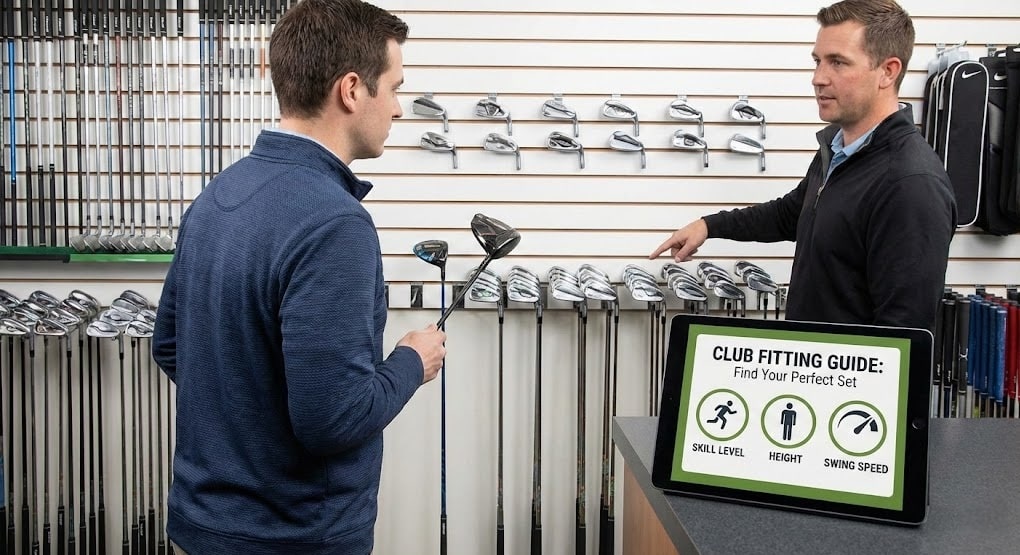
Match your driver swing speed to these benchmarks: over 105 mph needs X-stiff, 97-104 mph calls for stiff, 84-96 mph fits regular, 72-83 mph works with senior flex, and below 72 mph suits ladies flex. But the reality is, swing speed alone won't tell you everything. You'll get far better results combining these guidelines with a professional fitting that measures actual shaft frequency.
Yes, counterfeits are rampant online. About 24% of eBay golf club listings likely contain fakes, and Amazon isn't an authorized retailer for major brands. Roughly 2 million counterfeit clubs hit the market annually, with 99% sold online. These knockoffs aren't just bad investments; they can lose you 50 yards off the tee and literally fall apart mid-swing. Stick to authorized retailers or buy locally, where you can inspect equipment personally.
You should buy used clubs. Here's the truth: beginners don't need advanced technology; you need reps and low financial risk. Used clubs cost up to 50% less, letting you experiment with different specs without heartbreak. New starter sets depreciate the moment you swing them. One exception: buy wedges new or certified pre-owned since worn grooves kill your short game. Save your cash for lessons instead.
You don't reset the clock when you buy used; you pick up where the previous owner left off. Check groove wear on irons and wedges immediately; they're your primary replacement priority, often within 1-2 years of purchase. Drivers and woods bought used typically have 2-3 good years left. The real indicator isn't time, it's performance. When shots start falling short or spinning less, that's your signal.
Yes, you can test used clubs from online retailers, but here's the catch: you're often testing after you buy. Sites like 2nd Swing offer 30-day play guarantees, letting you swing them on the course before committing. Some online retailers also have physical locations with launch monitors where you'll hit demos beforehand. Don't skip this step if one's nearby. Return shipping costs eat into savings fast if clubs don't fit.
You've got more options for quality used clubs than ever before. Whether you're hunting through the racks at a local pro shop, scrolling through online marketplaces, or trading in your old set at a national retailer, the right deal is out there. Don't overthink it, check the condition grade, verify the return policy, and swing with confidence. Your wallet will thank you.