You'll find Callaway golf clubs manufactured across a global network, not a single factory. The majority of club assembly happens in Monterrey, Mexico, while components like titanium heads and composite crowns are sourced from China and Taiwan. Carlsbad, California, serves as the innovation hub and handles final assembly for premium models. Don't let the "Made in Mexico" or "Made in China" labels worry you. Callaway maintains identical quality control protocols across all facilities, and understanding their production strategy reveals why.
When you're shelling out hundreds of dollars for a new Callaway driver or iron set, you probably assume you know where it's made, but the reality is far more complex than most golfers realize.
Callaway doesn't operate a single factory churning out clubs. Instead, they've built a sprawling international network spanning multiple continents. Their Carlsbad, California headquarters handles final assembly and serves as the innovation hub. Monterrey, Mexico, provides production capacity for North American demand. Toronto, Canada, supports distribution and logistics. Chicopee, Massachusetts, manufactures golf balls exclusively. China handles a significant portion of golf club production within this global manufacturing framework.
Here's what matters: components flow from Taiwan and other Asian manufacturing centers to final assembly in the U.S. This isn't cutting corners; it's strategic sourcing that blends specialized craftsmanship with quality control where it counts most. The company transitioned manufacturing internationally in 2010, moving production to Mexico and outsourcing to countries including Indonesia, Thailand, and Vietnam. Quality control measures are implemented throughout the entire manufacturing process to ensure every club meets Callaway's high standards.

China sits at the heart of Callaway's manufacturing strategy, and that fact makes some golfers nervous. I get it. But here's what actually matters: Chinese facilities produce drivers, fairway woods, irons, and putters using state-of-the-art processes, including titanium forging and composite crown production.
The real advantage? China supplies the titanium, steel, and composite materials that make modern club designs possible. These aren't cut-rate operations; they're precision manufacturing hubs with strict quality control protocols, regular audits, and traceability systems tracking every component batch. China plays a significant role in producing a significant portion of Callaway's club components. This sourcing strategy helps Callaway maintain competitive pricing since manufacturing and labor costs are lower in Asia compared to domestic production. This global supply chain model mirrors how competitors like TaylorMade manufacture clubheads and other components primarily in China and Vietnam while keeping design operations stateside.
You're getting skilled labor trained in precision engineering, advanced casting molds, and multi-material construction techniques. The quality assurance standards match Callaway's global benchmarks. Lower labor costs mean competitive pricing without sacrificing performance. Your clubs undergo the same dimensional accuracy checks regardless of origin.
Monterrey, Mexico, handles the lion's share of Callaway's global club assembly, and that's a detail worth understanding before you assume your clubs came straight from California.
Here's what actually happens: components arrive from international suppliers, and skilled workers at the Monterrey facility fit heads to shafts, install grips, and run every club through rigorous quality testing. It's precision work combining advanced machinery with hands-on craftsmanship.
You shouldn't confuse "assembled in Mexico" with inferior quality. Callaway's Monterrey plant operates under the same strict standards as its Carlsbad headquarters, with leadership teams coordinating directly with U.S.-based engineers. The facility exists because it delivers cost efficiencies without sacrificing performance—that's smart manufacturing, not corner-cutting. Your finished driver passes the same validation tests regardless of assembly location. This hybrid approach mirrors what many major brands based in Carlsbad do, outsourcing component manufacturing while maintaining rigorous final assembly standards.
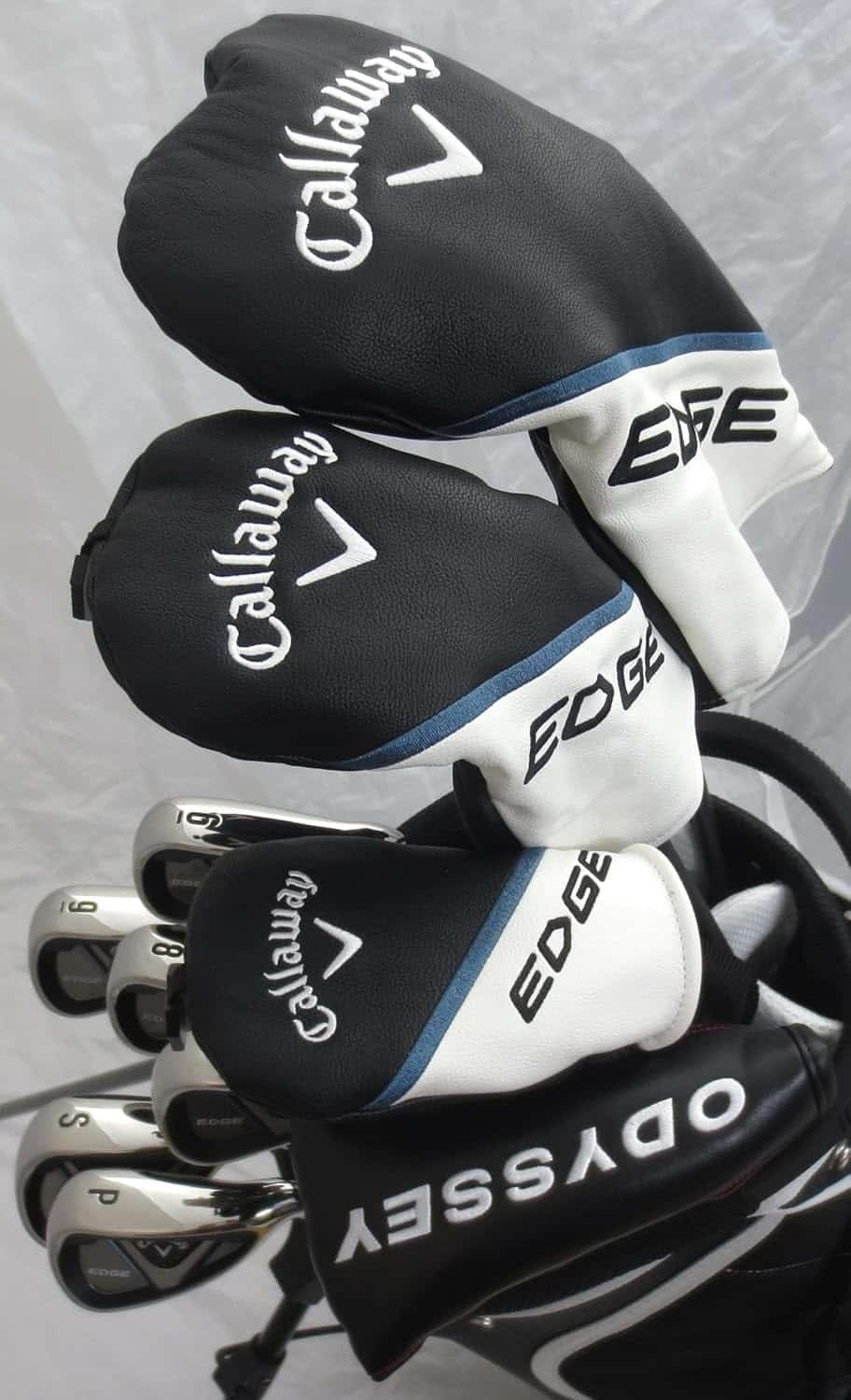
Two facilities anchor Callaway's American manufacturing presence, and they serve completely different purposes than you'd expect from a company that assembles most clubs in Mexico.
Carlsbad, California, houses Callaway's design and engineering headquarters, where skilled artisans handle final assembly of premium clubs. You're getting U.S. precision combined with globally sourced components—this isn't full-scale manufacturing, but rather the high-value finishing work that demands close collaboration between designers and production teams. The company has operated from its Carlsbad headquarters at 2180 Rutherford Road since establishing itself as an industry leader.
Chicopee, Massachusetts, tells a different story entirely. This 130-year-old facility is Callaway's only American golf ball plant, producing Chrome Soft and Chrome Soft X after receiving over $50 million in modernization investments. The historic site originally operated as a Spalding manufacturing facility since the late 1800s before Callaway transformed it into a state-of-the-art production center. Hundreds of workers control every step from core engineering to packaging. The company claims this modernized facility is now the most advanced ball production site in the world.
The pattern's clear: U.S. operations focus on premium products and specialized craftsmanship, not volume production.
Beyond those American facilities, the real production muscle sits across the Pacific. China handles the lion's share of Callaway's manufacturing volume, we're talking clubheads, assembly, and global distribution from advanced facilities with strict quality protocols. Don't let the "Made in China" label trigger skepticism; these aren't knockoffs rolling off some shadowy factory floor.
Vietnam entered the scene as Callaway diversifies its supply chain, handling assembly and component production with increasingly skilled labor. Taiwan's where your premium graphite shafts likely originate, the country's proficiency in materials engineering makes it indispensable for high-performance components. This mirrors how other golf manufacturers leverage Asian expertise, such as TaylorMade sourcing components from Korea and Taiwan for their premium golf ball lines.
Japan represents another crucial market where Callaway has deepened its commitment through Callaway Apparel K.K., a joint venture with TSI Groove & Sports Co., Ltd. that became effective July 1, 2016.
Here's what matters: Callaway applies identical quality standards across every facility. Your driver doesn't perform differently based on which country assembled it. The specs, tolerances, and performance characteristics remain consistent regardless of origin.
When you're shelling out $500+ for a driver, the "Made in China" label can trigger legitimate concerns. I've heard the skepticism from countless golfers convinced their premium clubs must be assembled stateside to perform properly.
Here's the reality: Callaway implements identical quality control protocols across every manufacturing facility worldwide. Whether your club comes from Carlsbad, Monterrey, or overseas, it passes through the same rigorous verification process before reaching your bag. The company's global operations restructure established a new production facility in Monterrey, Mexico, as part of its strategy to increase flexibility while maintaining consistent standards.
Components sourced from China and Taiwan don't just get slapped together; they're shipped to the United States for final assembly and quality verification at Carlsbad. This coordinated approach means your driver meets identical performance criteria regardless of where individual parts originated. The standardized design specifications and unified assembly procedures eliminate the quality gap you're worried about. This stands in contrast to competitors like Ping, who maintain domestic production in Phoenix, where every club is custom-built through a detailed work order process. Callaway's commitment to precision dates back to their early innovations, including computer-controlled manufacturing techniques that revolutionized club design consistency.
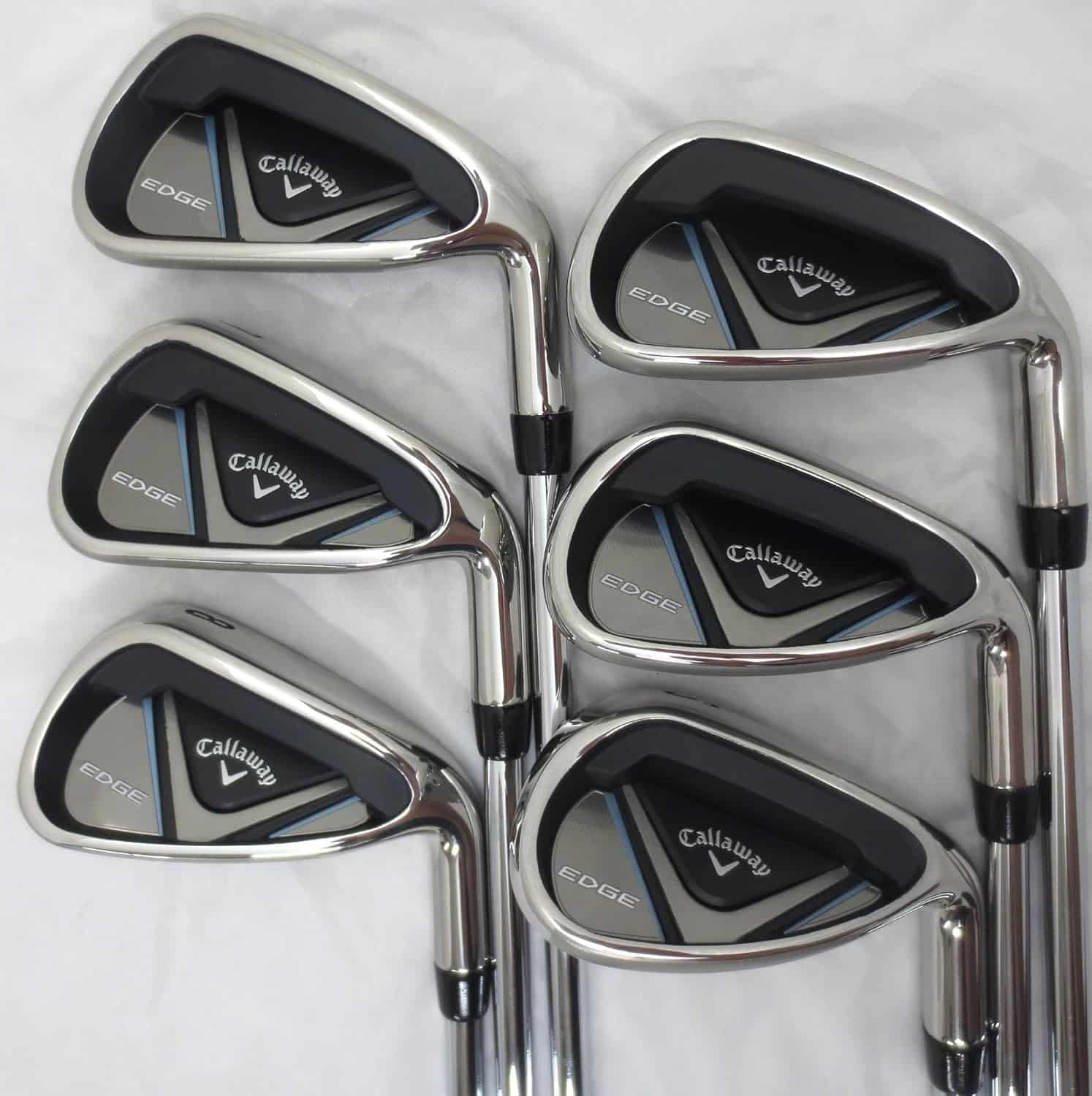
No, you can't tour Callaway's manufacturing facilities in Mexico or China. These sites maintain strict security protocols and proprietary process protections that prevent public access. Don't bother searching for booking options; they don't exist. If you're genuinely curious about Callaway's operations, your best bet is contacting their Carlsbad, California headquarters directly, where limited corporate events occasionally happen. International factory tours simply aren't part of their playbook.
You won't find Callaway publishing exact production timelines, and there's a reason for that. A single club travels through facilities in China, Vietnam, and Mexico before it's complete. Based on industry standards for multi-stage manufacturing, you're looking at several weeks from raw materials to finished product. Custom orders stretch longer, sometimes 2-4 weeks additional, because your specs enter a queue across that global production chain.
No, Callaway doesn't offer custom club fitting at their manufacturing locations. I know it seems logical, why not get fitted where the clubs are built? But that's not how it works. Manufacturing facilities focus exclusively on production. You'll find fitting services at authorized retailers, Callaway Experience Centers, and dedicated fitting locations instead. Use Callaway's store locator to book a session at a nearby fitting center.
Yes, Callaway builds clubs differently for pros versus you. Professional models get custom fitting, higher-grade materials, hand-finishing, and tighter quality control, sometimes even prototype tech before public release. Your off-the-rack clubs? They're mass-produced with standardized specs and mechanized assembly. Don't let that discourage you; consumer clubs still perform well. But the tour version of your favorite pro swings isn't identical to what you'll find at retail.
Callaway doesn't publicly disclose a specific percentage of recycled or sustainable components in their golf clubs. That's the honest answer; you won't find a clean number in their corporate documentation. What they do reveal is a "New Material Review Process" for evaluating environmental impact and supplier partnerships focused on waste reduction. They're making moves toward sustainability, but they're not giving you hard recycled-content figures to verify those claims.
Here's what matters: where your clubs are manufactured doesn't determine their quality. Callaway's global network, spanning California design centers, Mexican assembly plants, and Asian component facilities, operates under the same strict standards. You're not getting an inferior product because it shipped from Monterrey instead of Carlsbad. Focus on how the clubs perform in your hands, not the stamp on the hosel.