Don't just toss your old clubs in the garage; you've got options that range from cold hard cash to a nice tax write-off. Start by honestly evaluating the condition: check grooves, shafts, and grips, because a club graded "Good" fetches notably more than one that's barely playable. From there, you can trade in for store credit, sell directly on eBay or Facebook Marketplace, donate name-brand sets to charity programs, or even recycle the metal shafts. Your best move depends on what you're working with.
Before you donate that old set gathering dust in your garage or list it online for a quick sale, you need to know exactly what you're working with.
Start with the club face. Ball marks and light scratches don't kill value, but worn grooves absolutely do, especially on wedges and irons where spin control matters. Flip the club over and check the sole for deep scratches that reveal heavy use.
Next, run your hands down the shaft. You're hunting for cracks, bends, or structural compromise that renders the club worthless. Ultimately, squeeze those grips. If they're slick and worn smooth, factor in replacement costs. A Grade B club maintains a grip that remains tacky and shows only faint face marks with an unblemished crown. Just as course maintenance combines art and science to create optimal playing conditions, evaluating your clubs requires both visual inspection and hands-on assessment.
Condition grades range from A (nearly pristine) to Poor (barely playable). Your honest assessment here determines whether you're sitting on tradeable assets or garage sale fodder. Used clubs in good condition typically sell for 30-60% less than new, giving you a realistic benchmark for pricing your old equipment.
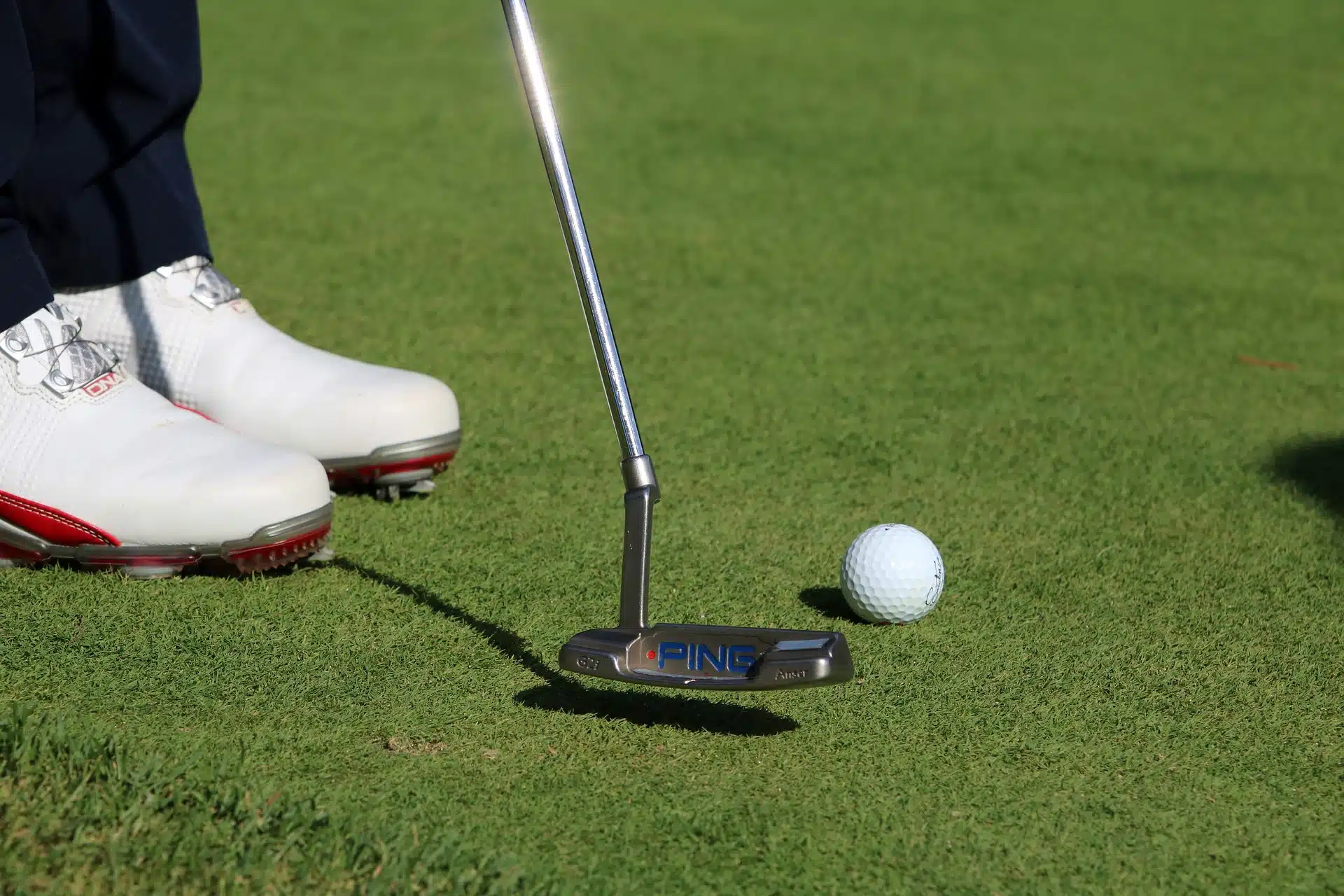
Once you've graded your clubs' physical condition, the real work begins: figuring out whether that name stamped on the club head actually means something in the resale market.
Here's the truth: brand prestige doesn't automatically translate to resale value. TaylorMade, Callaway, Ping, and Titleist consistently command strong trade-in prices because demand stays high. Their tech-forward models, like the Stealth 2 or G430 driver, move quickly. TaylorMade's reputation is bolstered by top tour players like Dustin Johnson and Tiger Woods using their equipment. Callaway maintains its premium positioning partly because its flagship golf balls are still manufactured at a historic facility in Chicopee, Massachusetts, demonstrating the brand's commitment to quality control.
Japanese luxury brands tell a different story. Honma, Miura, and PXG hold value exceptionally well, but you'll need the right buyer, someone who understands why a five-star Honma set costs more than a used car. Honma's top-tier five-star series is priced over $70,000, making them true collector's items in the luxury golf market.
Don't overlook vintage finds. Old Spalding or McEwan wooden clubs sitting in your garage could fetch thousands from collectors. Provenance matters enormously here.
When you're ready to unload those old clubs, the trade-in route sounds appealingly simple: walk in, hand over your gear, and walk out with value. Here's the catch most golfers miss: you're rarely walking out with cash. Specialty retailers, manufacturers, and third-party services overwhelmingly issue store credit, not money in your pocket.
That credit comes with strings attached. Manufacturer programs lock you into their brand. Retailer credits expire or are limited to where you shop. Third-party services restrict spending to their inventory. Yes, you'll find trade-in bonuses, typically 20-25% extra credit when buying new equipment, but that's designed to keep you spending within their ecosystem. Keep in mind that your clubs need to meet specific requirements; for example, drivers older than seven years typically won't be accepted for trade-in.
Trade-ins work best when you've already decided to buy from that specific retailer or brand. Otherwise, you're leaving money on the table. Some platforms do offer payment via PayPal or check, so compare your options before committing to store credit.

Selling clubs yourself means keeping more money, but you're fundamentally running a small business for each transaction. eBay reaches the biggest audience, yet fees and shipping costs eat into profits fast, especially with a full bag of irons. Facebook Marketplace and Craigslist eliminate shipping headaches but demand more legwork to build buyer trust.
Here's what actually works: golf-specific forums and Facebook groups connect you directly with knowledgeable buyers who understand what your clubs are worth. These communities often pay premium prices because they recognize value in specific models and conditions. Online golf forums also offer opportunities for trades alongside direct sales, giving you flexibility in how you move your equipment.
Local golf shops offer the opposite trade-off: immediate cash, zero hassle, but expect lower offers than consumer-direct sales. They're evaluating wholesale value, not retail. Dedicated trade-in services use tools like Club Finder to determine the current cash value and process payment within one business day of receiving your clubs. Before selling, inspect your equipment for issues like worn grooves on wedges and face condition on drivers, since groove wear affects the resale value buyers are willing to pay. Your decision hinges on one question: Do you value your time or your profit margin more?
Whether you're selling clubs yourself or trading them in, your success depends entirely on understanding what's actually happening in the used equipment market right now.
Here's the reality: the golf equipment market is exploding, projected to nearly double from $7.9 billion to $12.3 billion by 2035. That growth creates serious demand for affordable entry points—your old clubs. The golf club segment dominates the market with nearly 47% share, confirming persistent demand for clubs across all price points.
Technology trends matter here. Zero torque putters drove a 23% sales spike in specialty shops this year. When new tech dominates conversations, last year's models flood the used market, driving prices down fast. The rise of smart clubs equipped with sensors and real-time performance tracking makes older equipment without these features depreciate even more rapidly. This shift mirrors what's happening with launch monitors, where entry-level monitors provide 97% of the data compared to professional units costing $20,000.
You'll find the strongest buyer interest through specialty shops and online platforms, where golf-specific audiences actively hunt deals. Mass retailers aren't your friend here; they're experiencing declining engagement. Target serious golfers through dedicated channels, and you'll command better prices.
Not every old club deserves a second life, and that's the truth most donation guides won't tell you. Here's my rule: if your clubs are broken, rusted, or missing parts, donation programs won't touch them. You'll waste everyone's time trying.
The sweet spot for donation? Name-brand clubs in good to fair condition that are less than ten years old. Callaway, TaylorMade, Titleist, and Ping all qualify. Programs like 2nd Swing partner with Initial Tee and Tee It Up for the Troops, offering free shipping labels and tax receipts.
When donation isn't viable, don't just trash them. Metal shafts can be recycled, and some courses offer trade-in programs. Steel shafts from True Temper and similar domestic manufacturers are particularly valuable for recycling programs due to their durable construction. Broken beyond repair? Consider repurposing them as yard tools or wall art. Quality used clubs also make excellent silent auction items for charity golf events, where organizers can feature 100 or more donated items to boost fundraising.

Yes, you can absolutely recycle or repurpose old golf clubs. Don't let anyone tell you they're destined for the landfill. Those durable metal shafts change into surprisingly cool furniture frames, lamps, and coat racks. Craftsmen convert club heads into hooks, keychains, and art pieces. Several companies will refurbish your old sticks for resale or donation. You're not just decluttering, you're participating in golf's growing circular economy.
The biggest mistake I see? Tossing vintage clubs in a humid garage. You'll destroy them. Instead, store them upright in a climate-controlled space with individual dividers to prevent scratching. Clean and fully dry each club before storage, use headcovers, and apply leather conditioner to those grips. For metal heads prone to rust, a thin layer of Vaseline works wonders. Inspect them periodically—prevention beats restoration every time.
Yes, you can snag a tax deduction for donating old golf clubs, but here's the catch most people miss. You must itemize deductions on Schedule A, not take the standard deduction. The deductions are based on fair market value, which is brutally low: we're talking $2 to $26 per club, not what you paid. Keep your charity receipt and file Form 8283 if donations exceed $500.
Yes, you can absolutely swap old shafts for modern ones—it's one of the best upgrades you'll make. The key is matching your new shaft's tip diameter to the hosel bore. Most standard sizes (.335", .350", .370") fit fine, but vintage clubs sometimes throw curveballs with non-standard dimensions. You'll need a heat gun, two-part epoxy, and patience. I'd recommend professional installation for any clubhead you actually care about.
You've got several solid options for donating used clubs. Initial Tee chapters accept popular brands like Callaway and TaylorMade—just call ahead since storage varies by location. Youth on Course partners with 2nd Swing, converting your old gear into cash donations with free shipping labels. Excel Youth Academy and Help Kids Golf also take equipment directly. Skip AJGA—they focus on financial contributions, not club donations.
You've got more options than you probably realized. Whether you're trading in for store credit, selling online for maximum return, or donating for a tax deduction, the key is matching your approach to your clubs' actual value. Don't let old equipment collect dust in your garage; put it back into play. Someone out there needs exactly what you're no longer using.