You'll find wholesale golf clubs through manufacturer-direct brands like Sub 70 Golf, regional distributors such as J & M Golf in Indiana, or liquidation sources like GA offering 60-80% off MSRP. Don't overlook component suppliers like Hireko Golf if you're building custom clubs. You'll need a business license, tax ID, and resale certificate to open most accounts, and understanding each supplier's stocking requirements will save you from costly surprises down the line.
When you cut out the retail markup, something interesting happens: you're suddenly paying for the actual club instead of the showroom floor it sat on.
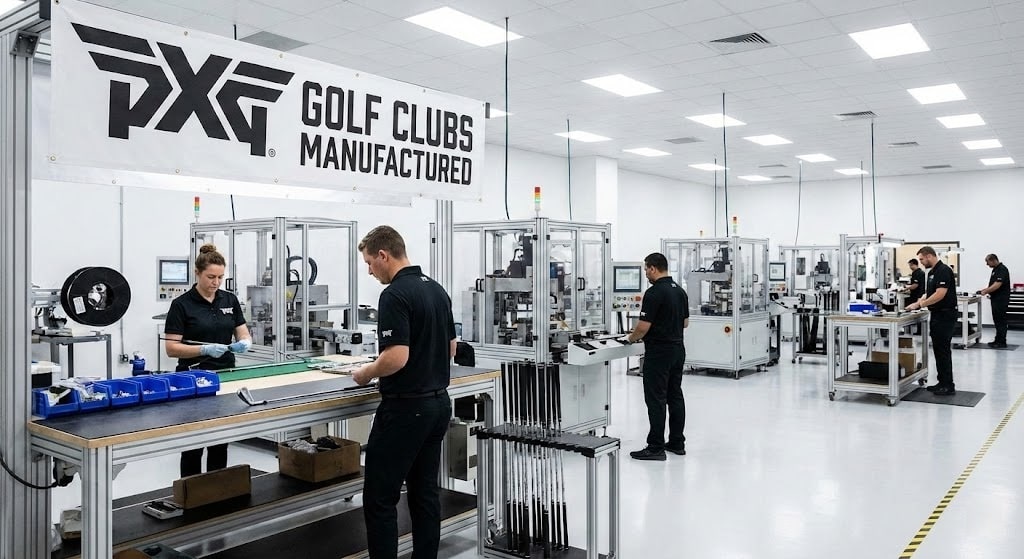
Direct-to-consumer manufacturers have figured this out. They're building handcrafted, custom clubs in-house, shipping within 7-10 days domestically, and eliminating the dealer networks that typically inflate your final price. No extensive physical inventory means no warehouse costs passed along to you. Companies like Sub 70 Golf and B Bardi Golf have built their reputations on this model, producing clubs to order with small teams while maintaining quality standards that rival major brands.
Here's what I've found works: these online-only operations offer full customization with transparent lead times. You'll know exactly when backorders hit and what you're waiting for. The trade-off? You can't swing before you buy. But if you've dialed in your specs and know your game, you're getting legitimate quality control oversight without subsidizing someone else's overhead. Established manufacturers like Xiamen Jasde Sports bring over 28 years of experience to the table, ensuring consistent production standards across their entire product range. For those seeking hands-on expertise, specialty distributors like GolfWorks operate from their Newark, Ohio, facility and provide extensive component options for custom club builders.
Direct-to-consumer brands work beautifully if you know your specs, but what if you're a shop owner, teaching pro, or someone looking to buy in bulk? That's where regional wholesale distributors become your secret weapon.
J & M Golf in Griffith, Indiana, stocks over 6,000 products with same-day shipping, and they've earned their reputation as America's top wholesale distributor. Golf Max operates dual hubs in the Northeast and Midwest (Strongsville, Ohio), giving you regional accessibility without the headaches. Many distributors also partner with trade-in program platforms to help retailers manage used club inventory and offer customers credit toward new gear purchases.
Out West, GT Golf Supplies in Vista and Hireko Golf in City of Industry carry everything from grips to complete club assembly materials. Alpha Golf in Chatsworth specializes in grips and components at genuine wholesale pricing. Hireko Golf offers comprehensive support at 626-330-5525 for retailers needing component sourcing assistance. For equipment purchases, look for authorized retailers for top brands like Ping and Cobra to ensure you're getting genuine wholesale products.
These distributors support small pro shops and driving ranges with bundled inventory options you won't find elsewhere.
For shop owners and coaches working with tight margins, pre-owned and liquidation inventory offers the most persuasive path to profitability, but you've got to know where to look.
Next Round and GA deliver professionally inspected clubs with 30-day playability guarantees, critical protection when you're buying bulk. Golf Partner USA dominates the JDM niche, listing 700+ items weekly with packaging that actually survives international transit.
Here's the real play: Amazon wholesale lots from liquidators routinely hit 60-80% off MSRP. You'll find bundles of 10, 25, or 50 clubs from Callaway, TaylorMade, and Adams. Lot pricing typically ranges from $125.99 to $419.99, with most listings offering a "Best Offer" option for additional negotiating room. ProClubs moves premium tour-issue equipment at 70% discounts with same-day shipping.
Don't overlook trade-in programs at Golf Discount and 2nd Swing. They'll convert your stale inventory into store credit, keeping your purchasing power fluid. When reselling pre-owned clubs, providing customers with detailed ratings and photos builds trust and drives repeat business. Time your bulk purchases between November and February when prices drop 20-30% below peak season due to decreased demand.
Building clubs from scratch opens up profit margins that pre-made inventory simply can't match, but the component supply chain looks intimidating at first glance.
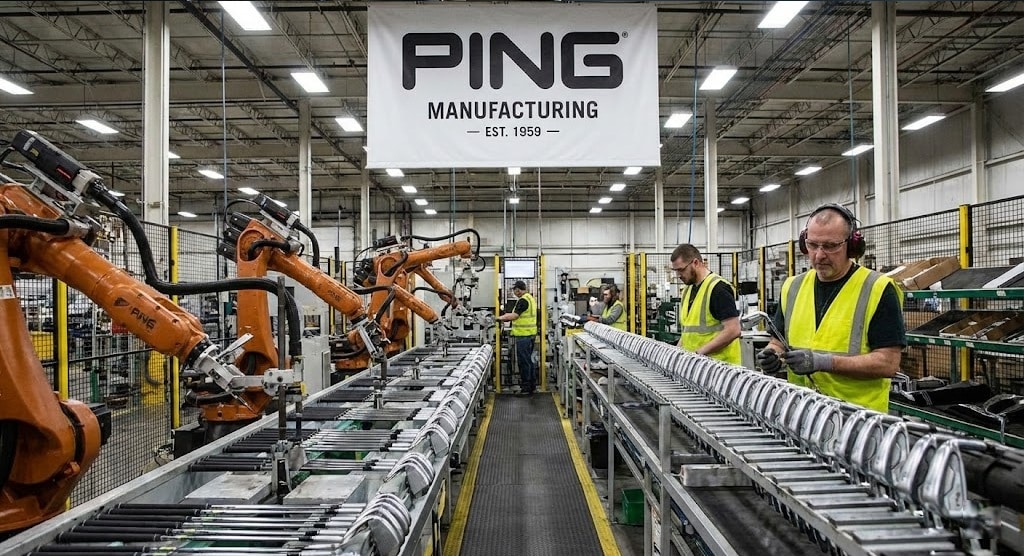
Here's the reality: you've got five reliable suppliers covering every component category. Hireko Golf stocks over 500 SKUs, clubheads, shafts, grips, and tools, serving both hobbyists and professionals. Monark Golf delivers discounted Aldila and Golf Prestige components with grips starting at $2.49. Diamond Tour handles clone components for budget-conscious builds, offering premium golf club components that can be customized to match individual playing styles.
For premium work, The Golf Club Trader provides ferrules, adapters, and free custom assembly with PGA Expert Club Builder support. Golf Components Plus has operated since 1989, supplying titanium drivers and iron heads across the US and Canada. Component pricing varies widely, with iron heads available starting at $10.45 for budget builds up to premium cup face titanium drivers at $67.95. When sourcing shafts, consider that steel shafts range from $20-$30 each, while graphite options start around $15 but can exceed $100 for premium versions.
Don't overlook technical support. Hireko publishes educational resources, while Golf Components Plus lets you test demo clubs before committing.
The wholesale application process intimidates most new retailers, but it's actually straightforward once you understand what suppliers want. You'll need your business license, tax ID, and a resale certificate, non-negotiable basics that prove you're legitimate.
Each supplier handles registration differently. TaylorMade requires separate applications for every retail location or website you operate. Callaway runs an affiliate program with a simple online signup. Smaller outfits like C3 Custom Golf offer tailored service through direct inquiry forms.
Here's what catches newcomers off guard: minimum stocking requirements. TaylorMade enforces specific inventory levels through their Stock Maintenance Programme, and falling short means losing your account. Understanding that custom golf clubs can range from $1,500 to $5,000 for a full set helps you anticipate the capital needed to meet these stocking thresholds. Verification takes days to weeks, so don't expect instant access. Gather your trade references, bank information, and proof of business address before you start; you'll move through approvals faster. Before applying to any wholesaler, consider gaining work experience at an existing golf shop to understand how purchasing relationships and inventory management actually function in daily operations. Choosing reliable suppliers is essential because they directly impact your ability to deliver products on time and maintain the quality your customers expect.

You'll typically need to order 100 to 300 sets when buying golf clubs wholesale; that's the sweet spot most manufacturers require. Want custom logos or OEM branding? Expect MOQs around 200+ sets due to setup costs. Golf bags are far more flexible, starting at just 6 units. Many suppliers accept sample orders below MOQ for testing, and established retailers can often negotiate lower thresholds through direct sales rep conversations.
Wholesale warranties are stingier than you'd expect. They'll cover manufacturing defects only, nothing else. You won't get protection for normal wear, and any modifications void your coverage entirely. You'll also jump through more hoops, submitting claims through authorized distributors with extensive documentation. Retail warranties often process faster and sometimes include accidental damage coverage. The trade-off for those bulk discounts? You're accepting a stripped-down safety net.
Yes, you can mix brands in most wholesale orders, but don't assume it's automatic. Many distributors require minimum quantities per brand before they'll process your order. The real catch? You'll likely sacrifice volume discounts by splitting quantities across multiple brands instead of consolidating with one. Before placing any order, confirm specific brand availability and minimum thresholds directly with your distributor; policies vary considerably.
You'll typically land between 25% and 40% gross margin on wholesale golf clubs—that's your realistic target. But here's the catch: after you factor in rent, payroll, and marketing (which eats 30-44% of sales), your net profit shrinks to roughly 10-20% under good conditions. Competition constantly squeezes these numbers, so volume purchasing and premium services like custom fitting become your best tools for protecting margins.
Yes, and timing your purchases around these windows is one of the smartest moves you'll make. Black Friday, Memorial Day, and Father's Day deliver discounts up to 40% off. I've found the real goldmine hits during winter clearance when retailers dump inventory, you're looking at 25%-60% off at outlets like Rock Bottom Golf. End-of-season is when you stock up aggressively.
You've got the roadmap, manufacturer direct programs, regional distributors, liquidation sources, and component suppliers, all offer legitimate paths to wholesale pricing. The real question isn't where to buy; it's which channel matches your business model and volume commitments. Stop overthinking it. Pick one supplier category, apply for an account this week, and place a small test order. You'll learn more from that single transaction than from months of research.