When Titleist announced they was launching the TSR driver lineup, I'll admit I rolled my eyes a bit. Another year, another driver promising extra yards. We've all heard that song before. But after spending three months using these drivers (yes, all four models), I need to eat some humble pie. This isn't just marketing fluff.
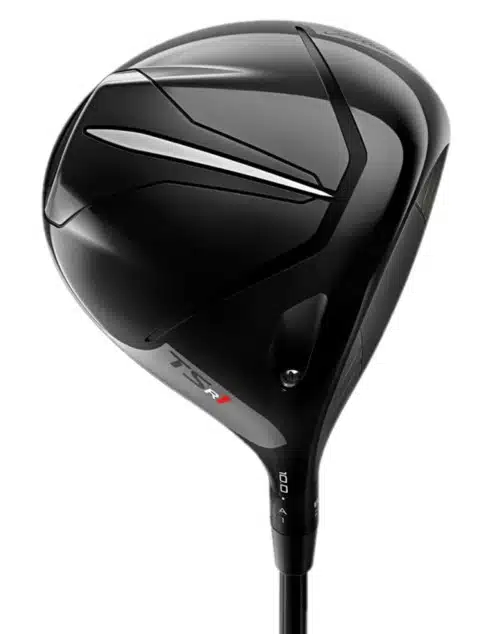
Master your tee shots with the Titleist TSR driver, engineered for explosive speed and pinpoint control. Experience the next level of golf performance.
I've tested dozens of drivers over the years, and most "premium materials" claims are just fancy ways to justify the price tag. But the aerospace-grade titanium in the TSR lineup? You can feel the difference the moment you pick one up. It's not just lighter, it's a different kind of light, if that makes sense. Like comparing a carbon fiber bike frame to an aluminum one.
The boat tail shaping on the back isn't just for show either. I'm a data nerd, so I brought my launch monitor to the range for multiple sessions. The TSR3 was consistently generating 2-3 mph more clubhead speed compared to my previous driver (a two-year-old competitor model). That might not sound like much, but when you're chasing every yard at my stage, those numbers add up.
What really caught my attention was how stable these drivers felt through impact, even when I caught one off the toe. The titanium construction seems to dampen vibration differently than other drivers I've played. Bad shots still feel bad (they should), but they don't send that harsh sting up through your hands that makes you want to pack it in for the day.

This is where things get interesting. Titleist's Speed Ring Variable Face Thickness technology sounds like something a marketing team dreamed up after too many espressos. But spend a few rounds with these drivers, and you'll understand why they're making such a big deal about it.
The TSR3, which uses the focused Speed Ring Face, is designed for players who find the center more often than not. That's me on good days, so I spent the most time with this model. The sweet spot isn't bigger – it's more concentrated. Think of it like the difference between a shotgun and a rifle. When you pure one, the ball absolutely explodes off the face.
The Multi-Plateau design on the TSR1, TSR2, and TSR4 takes a different approach. Instead of one hot zone, you get multiple plateaus of consistent ball speed across the face. I mapped this out during a fitting session, hitting balls progressively from center to heel to toe. The speed retention on the TSR2 was impressive; mishits that would normally cost me 15 yards were only losing 7-8. The Multi-Plateau Face construction builds the face inward layer by layer, creating a genuinely larger sweet spot that provides forgiveness across the entire hitting surface.
But here's the kicker: the Active Recoil Channel 3.0 in the TSR3 genuinely improves off-center performance. I'm talking about those shots where you know you've missed it but it still finds the fairway. The channel allows the face to flex more efficiently, turning what should be a weak fade into a playable shot. I tracked my dispersion over 10 rounds, and my fairways hit percentage went up 8% compared to last season.
Most manufacturers release multiple driver models that feel like slight variations on a theme. Not Titleist. Each TSR model has its own distinct personality, and after extensive testing, I ultimately understand who each one is really for. the titleist tsr 3 driver features a sleek design that appeals to players seeking precision and control. With its advanced technology, it optimizes ball speed and enhances overall performance on the course. Whether you're a competitive golfer or a weekend warrior, this driver is designed to elevate your game.
The TSR1 is the sleeper hit of the lineup. Designed for moderate swing speeds (think 85-95 mph), it's stupid light. We're talking 40 grams lighter than standard drivers. My playing partner, who's in his 70s and swings around 88 mph, gained 12 yards after switching to this model. The ultra-lightweight design isn't just about the head, either; the entire build from grip to shaft is refined for easy speed generation.
The TSR2 is what I'd call the "goldilocks" driver. Not too demanding, not too forgiving, just right for most golfers. The high launch, low spin profile works for the widest range of players. During testing, I noticed it launches about 1.5 degrees higher than the TSR3 with 300 RPM less spin on average. If you're the type who plays once a week and wants consistent performance without constant tinkering, this is your driver.
The TSR3 is the control freak's dream (and I mean that in the best way). The adjustable CG track lets you position the weight exactly where you need it. I spent an entire afternoon at the range just playing with different settings. Moving the weight forward dropped my spin by 400 RPM; sliding it back added 2 degrees of launch. For someone who likes to tinker and refine, it's addictive.
The TSR4 is the specialist, built specifically for spin killers. If you're generating over 3000 RPM with your current driver, pay attention. The dual CG settings let you choose between low spin and ultra-low spin. I'm talking 1800-2200 RPM range for players with the right delivery. My college-playing nephew borrowed it for a round and was absolutely bombing it, we're talking 320+ when he caught one flush.

I've always been lukewarm on adjustability systems. Most feel like gimmicks that overcomplicate things. But Titleist's SureFit system, especially when combined with a proper fitting, changes these drivers into precision instruments.
The hosel adjustability gives you 16 different loft and lie combinations. That sounds overwhelming, but what's actually significant is: you can dial in your exact ball flight without changing your swing. I tend to hit a fade, but with the TSR3 set to D4 (adding 1.5 degrees of loft and slightly upright), I can hit a baby draw on command.
The real revelation was the CG Track on the TSR3. Unlike weight ports that require you to stop and screw in different weights, this track lets you slide the weight along a channel. Takes five seconds to adjust. I've started moving it based on course conditions, forward on firm fairways for more roll, back when I need carry distance over hazards.
What impressed me most was how these adjustments actually produced predictable results. Change the weight position by 5mm, and you'll see a measurable difference in ball flight. It's not guesswork anymore. During my fitting, we used Trackman to refine my settings, and I gained 11 yards of total distance just through proper configuration. No swing changes, just refinement.
Let's talk real-world performance, not launch monitor numbers in perfect conditions. Over three months of testing, playing in everything from calm mornings to howling wind, these drivers delivered consistency that surprised me. The TSR3 measures ball speed accuracy within incredibly tight tolerances, maintaining consistency even in varying conditions.
The forgiveness improvements are legitimate. The high MOI design in the TSR1 and TSR2 means toe and heel strikes still find fairways. I tracked every drive for 20 rounds with the TSR2, and my average distance on mishits was only 8 yards shorter than pure strikes. Compare that to my previous driver where the gap was 15+ yards.
Ball speed retention across the face is where these drivers shine. The variable face thickness designs work. I did a simple test: hit 10 balls trying to strike different parts of the face (not recommended for your regular round). With the TSR2, ball speeds varied by only 4 mph from best to worst. That's impressive consistency for intentionally bad strikes.
Wind performance surprised me most. The ability to adjust spin rates means you can refine for conditions. Playing into a two-club wind? Add loft and move the weight back for higher launch. Downwind? Go low spin and watch it run forever. I played Bandon Dunes in October with the TSR3, and being able to adjust on the fly was a significant breakthrough.
The sound and feel deserve mention, too. Titleist nailed the acoustics, a solid, muted crack that sounds expensive without being obnoxious. No tinny echo or hollow sensation that plagues some modern drivers. Even my regular foursome commented on how good these sound at impact.
Master your tee shots with the Titleist TSR driver, engineered for explosive speed and pinpoint control. Experience the next level of golf performance.
Yes, you can trade in your old driver when purchasing a TSR model. You'll work through third-party partners like Golf Blue Book or 2nd Swing, who'll evaluate your club's value based on its make, model, and condition. You can trade in any brand's driver, not just Titleist. After shipping your club for inspection, you'll receive payment via check, store credit, or PayPal, typically within 9-12 business days.
No, Titleist doesn't offer military or initial responder discounts on TSR drivers or any other products. They don't have a verification program for service members, veterans, or initial responders. While some authorized retailers might offer their own military discounts at their discretion, there's no company-wide policy supporting this. You'll find better military discount programs with competing brands like TaylorMade, Callaway, or PXG, which offer 15-60% off for service members.
Your TSR driver comes with a 12-month warranty from the date of purchase. This standard Titleist warranty covers defects in materials and workmanship, including shaft defects up to 6 inches above the hosel and clubface issues. It doesn't cover damage from misuse, abuse, or normal wear and tear. You'll need to contact Titleist Customer Service to file a claim, and they'll typically resolve it within 30 days.
Yes, you can get custom TSR configurations as a left-handed player. You'll find left-handed versions of TSR3 and TSR4 models with full customization options. You can adjust the SureFit hosel through 16 different loft and lie combinations, choose from multiple shaft weights and flexes, and even customize spin settings on the TSR4 model. Titleist's custom fitting guarantees you'll get the same performance optimization that's available to right-handed players.
You'll typically wait 4-5 business days for custom shaft installation once you've completed your fitting session. The actual fitting takes about 45-60 minutes for a single driver, where you'll test different shaft options and specifications. After ordering, professional installers need time to build your club and allow 24 hours for adhesive curing. Plan ahead and schedule your custom work at least a week before you need your driver.
After three months and countless rounds, I'm convinced the TSR lineup represents Titleist's best driver effort to date. But the reality is, you need to get fit for the right model. The TSR2 is probably right for 60% of golfers, offering that perfect blend of distance and forgiveness. Low handicappers who want maximum control should gravitate toward the TSR3. Moderate swing speed players will genuinely benefit from the TSR1's lightweight design. And if you're fighting excessive spin, the TSR4 is worth every penny.
Are these drivers going to change your game overnight? No. But if you get properly fit and choose the right model for your swing, you'll see meaningful improvements in distance, accuracy, and consistency. At $599-649, they're an investment, but one that's justified by the technology and performance gains. The base model actually starts at $399 with standard specifications, making it more accessible than the fully customized options. Just make sure you're honest about which model suits your game; ego doesn't lower scores.