I was one of those guys who thought PXG golf balls were just another marketing gimmick from a company known for $700 drivers. After testing dozens of premium balls over the years, from Pro V1s to Chrome Softs, I figured the Xtreme Tour would be another overpriced attempt to crack the tour ball market. But after three months of putting these through their paces in everything from casual rounds to pressure-packed member-guests, I've had to completely reassess my position. What I uncovered was a ball that challenges conventional wisdom about compression, distance, and who should actually be playing tour-level equipment.
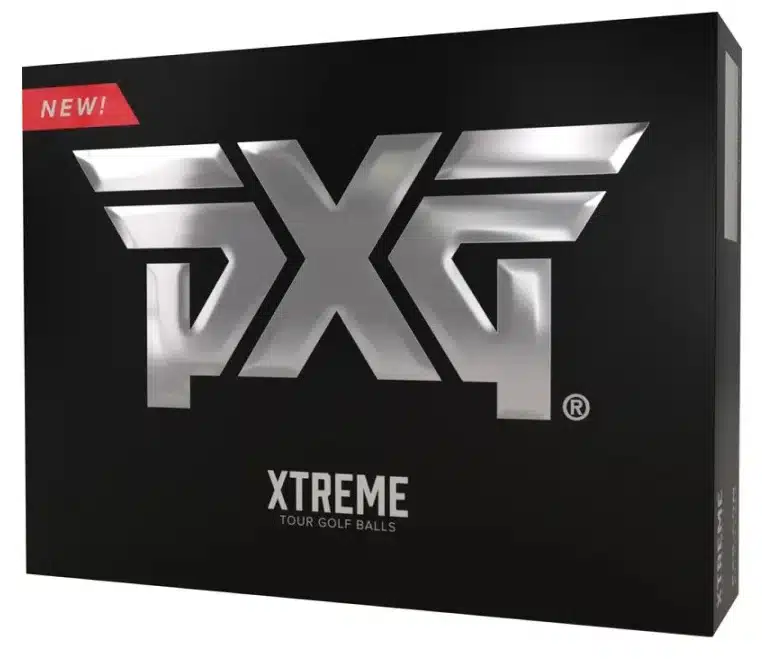
Experience the next evolution in golf ball technology with PXG Extreme Tour golf balls. Engineered for unmatched distance, precise control, and a premium feel, these balls deliver tour-level performance for serious golfers who demand the best on every shot. Whether you’re driving off the tee or dialing in your short game, PXG Extreme Tour offers the blend of power and precision that propels your game to new heights.
Opening the sleeve for the initial time, I was struck by how conventional the Xtreme Tour looked, and I mean that as a compliment. No gimmicky colors (though they do provide yellow), no weird alignment aids, just a clean white ball with subtle PXG branding. The 338-dimple pattern has a distinctive look when you really examine it, with slightly larger dimples than my usual Pro V1x. The urethane cover felt tacky right out of the box, which immediately told me this wasn't some distance rock masquerading as a tour ball. What really caught my attention was the compression rating printed on the box: 97.8. That's notably softer than most tour balls I've played, and honestly, it made me skeptical about distance claims.

Let me break down what's happening inside this ball, because it's the key to understanding why it performs the way it does. The high-speed polybutadiene core isn't groundbreaking; most tour balls use something similar, but PXG expanded the core size to increase energy transfer. Think of it like a bigger engine in the same-sized car. Surrounding that core is a firm ionomer mantle layer that acts like a speed amplifier off the tee. This is where PXG got clever: instead of making the entire ball firm for distance, they concentrated the firmness in this middle layer while keeping the overall compression relatively soft. The thin urethane cover completes the package, and at approximately 0.5mm thick, it's comparable to other tour alternatives. What this construction means in practice is that you get the soft feel of a 90-compression ball with the driver distance of something much firmer. During my testing with a launch monitor, I was seeing ball speeds within 1-2 mph of the Tour X model despite the 10-point compression difference.
This is where things get interesting, and where my preconceptions got turned upside down. Conventional wisdom says harder balls go farther, especially for slower swing speeds. The Xtreme Tour laughs at that notion. With my driver swing hovering around 92 mph (on a good day), I was consistently getting 3-5 more yards of carry compared to my usual Chrome Soft X. The lower spin rate, about 200 RPM less than the Tour X model, creates a more penetrating flight that just seems to hang in the air forever. Interestingly, the Pro V1 achieves lower driver spin at around 2,600 rpm, which helps maximize distance through reduced drag. During a particularly memorable round at my home course, I reached the par-5 15th in two for the initial time this season, and it wasn't because I suddenly found 10 mph of swing speed. The ball's aerodynamics, courtesy of that 338-dimple pattern, create what I can only describe as a "heavy" ball flight that cuts through wind better than softer alternatives. For players with swing speeds above 100 mph, the Tour X might squeeze out an extra 2-3 yards, but for those of us in the 85-95 mph range, this regular Tour model is the distance champion. What shocked me most was how straight these balls flew – the lower spin meant my typical fade was reduced by about 30%, keeping more balls in the fairway.

The urethane cover on the Xtreme Tour delivers exactly what you'd expect from a tour-caliber ball, but with some subtleties worth discussing. Around the greens, I'm getting plenty of bite on chip shots and enough spin to stop approaches on firm greens. Is it spinning as much as a Pro V1? Not quite. I'd estimate about 10-15% less on full wedge shots. But the key point: for my game, that's actually better. I've always struggled with ballooning wedges in the wind, and the slightly lower spin profile of the Xtreme Tour gives me a more controlled path. On 50-yard pitch shots, I'm seeing roughly 6,500 RPM of spin, compared to about 7,000 with a Pro V1. That difference might sound notable, but in practice, it translates to maybe 6 inches less check on the green. The firm mantle layer does its job here, too. When you really compress the ball with a full iron shot, it generates more than enough spin to hold greens. During a recent round in wet conditions, I was able to stick a 7-iron on a back pin from 165 yards out, something I wouldn't expect from a distance-oriented ball.
This is where the 97.8 compression really shines, and why I think PXG might have found the sweet spot for amateur players. Off the putter face, the Xtreme Tour has what I'd call a "firm soft" feel, soft enough that you're not clicking a rock, but firm enough to provide clear feedback on mishits. I've always struggled with super soft balls because I can't tell when I've hit one thin, but the Xtreme Tour gives me that critical feedback without feeling harsh. With irons, there's a satisfying "thwack" at impact that's become addictive. It's not the muted thud of a Callaway Supersoft or the sharp crack of a TP5x; it's right in the middle. The yellow version I tested (yes, I bought both) seemed to feel slightly different, though that might be psychological. What really impressed me was how consistent the feel remained across different temperatures. I played these balls in everything from 45-degree morning rounds to 95-degree afternoon slogs, and unlike some tour balls that turn into rocks in the cold, the Xtreme Tour maintained its playable feel throughout.
Experience the next evolution in golf ball technology with PXG Extreme Tour golf balls. Engineered for unmatched distance, precise control, and a premium feel, these balls deliver tour-level performance for serious golfers who demand the best on every shot. Whether you’re driving off the tee or dialing in your short game, PXG Extreme Tour offers the blend of power and precision that propels your game to new heights.
You'll find PXG Xtreme Tour golf balls are manufactured at SM Parker's facility in Vietnam. This represents a strategic shift from PXG's previous China-based production. SM Parker's proven knowledge in golf ball manufacturing - they also produce Kirkland Signature balls - guarantees you're getting tour-level quality. The Vietnamese facility handles all PXG ball production, including the standard Xtreme Tour, Xtreme Tour X, yellow versions, and special military editions.
Yes, you can get PXG Extreme Tour golf balls with custom numbers and logos, but you'll need to order through third-party retailers like Golf USA, MyCustomGolfBall.com, or Sanzo Specialties rather than PXG's official website. These specialized retailers offer custom numbering and logo printing services starting around $35 per dozen. You'll submit your artwork files during ordering, and they'll handle the customization process with typical turnaround times of several days to weeks.
PXG doesn't publish specific warranty terms for defective golf balls, unlike their golf clubs which have clear warranty coverage. You'll find no formal replacement policy or dedicated warranty program for balls on their website or in customer reviews. If you receive defective balls, you can contact PXG customer support who might help based on their discretion, but there's no guarantee they'll replace them since balls lack explicit warranty protection.
Yes, your PXG Xtreme Tour golf balls are fully conforming to USGA and R&A rules. They're officially listed on the USGA's List of Conforming Golf Balls, which is updated monthly. Both the Xtreme Tour and Xtreme Tour X models have been jointly evaluated and approved by the USGA and R&A. You'll find them in the USGA database, so you can confidently use them in any tournament or official competition.
You'll find PXG Xtreme Tour balls match Titleist Pro V1's standard $50 retail price, but they're often available for much less. Through promotions and bulk deals, you can grab them for around $33-35 per dozen, considerably undercutting other tour balls. While they're still premium-priced compared to budget balls, you're getting tour-level performance at a discount when shopping sales. The military editions cost slightly more at $55 due to licensing restrictions.
The PXG Xtreme Tour has earned a permanent spot in my bag, and that's not something I say lightly after testing golf balls for over a decade. This ball is perfect for the player with a driver swing speed between 85-95 mph who wants tour-level performance without tour-level compression. At $49.99 per dozen, these balls position themselves competitively against other premium tour balls while delivering performance that punches above their price point. The ball's design specifically promotes a straighter trajectory, which I've found invaluable for keeping drives in play on tight fairways. If you're someone who's been playing Pro V1s because you think you're supposed to, but secretly wish they felt a bit softer, this is your ball. Weekend warriors who prioritize straight drives and consistent iron play over maximum spin will find a lot to love here. However, if you're a scratch golfer who needs every RPM of spin around the greens, or if you swing it over 105 mph consistently, you'd probably be better served by the Tour X model or sticking with your current tour ball. For everyone else, and I'd argue that's 80% of serious golfers. The Xtreme Tour represents the best balance of distance, control, and feel I've found in the current market.