
Modern golf clubs are made from titanium or stainless steel for club heads, graphite or steel for shafts, and rubber or synthetic compounds for grips. Titanium dominates driver heads because its strength-to-weight ratio allows for larger, more forgiving faces. Steel remains the go-to for irons, offering durability and precise feedback. Your shaft choice, steel for control or graphite for speed, affects your game more than most manufacturers admit, and understanding why will alter your equipment decisions.
The Evolution of Golf Club Materials Through History
When you pick up a modern driver with its sleek graphite shaft and titanium head, you’re holding the result of over 300 years of material experimentation, most of it driven by trial, error, and the unyielding pursuit of an extra few yards.
Early golfers swung clubs with ash and hazel shafts, whatever wood grew nearby. By the 1890s, hickory dominated because it offered decent flex and strength. But here’s what manufacturers won’t tell you about that “romantic time period” of golf: hickory shafts broke constantly, snapping at the top of backswings and producing wildly inconsistent performance from club to club. Clubheads during this era were typically crafted from persimmon wood, prized for its superior density and durability.
Steel changed everything in the 1920s and 1930s. Suddenly, you get predictable flex, durability, and uniformity. Graphite arrived in 1969, slashing shaft weight in half while multiplying strength fourteen times over. Frank Thomas, working as chief design engineer for Shakespeare Sporting Goods Co., developed the modern graphite shaft that would eventually revolutionize the industry. This same era of material innovation extended to golf balls, where companies like Srixon, part of Sumitomo Rubber Industries, began developing advanced manufacturing processes that combined Japanese precision with global production capabilities.

Club Head Materials: From Titanium to Carbon Fiber
Although titanium dominates the driver market today, the material science behind your club head matters far less than manufacturers want you to believe, and understanding why separates smart buyers from marketing victims.
Here’s the truth: titanium’s strength-to-weight ratio allows for 460cc driver heads without excessive mass. That’s a genuine engineering advantage. Titanium alloys became popular in the 1980s with the introduction of the TaylorMade MetalWood, revolutionizing driver design. Stainless steel works perfectly for your irons and wedges; 431 and 17-4PH alloys deliver durability and allow complex perimeter weighting through casting. Stainless steel’s rust resistance comes from containing a minimum of 12% chromium in its composition.
Maraging steel and carbon fiber represent the premium tier, enabling thinner faces and strategic weight redistribution. You’ll pay considerably more for marginal gains most golfers can’t detect. Even with premium materials, proper shaft selection based on your swing speed will have a far greater impact on your performance than head composition alone.
Aluminum? Skip it unless you’re buying beginner clubs on a tight budget.
The bottom line: your swing mechanics trump material selection every single time.
Steel vs. Graphite: Choosing the Right Shaft Material
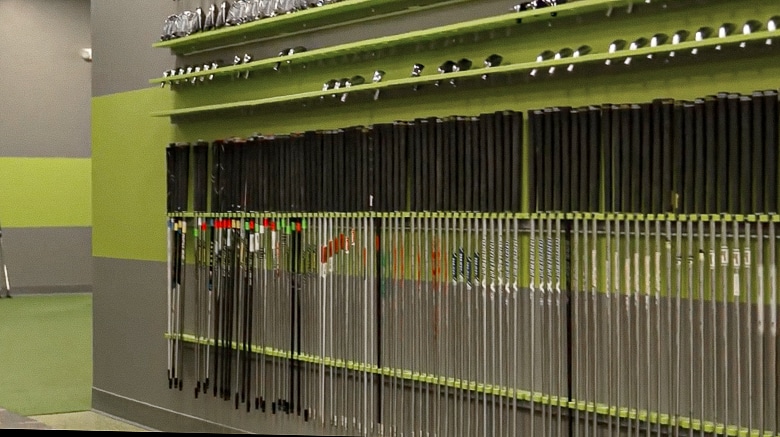
Your club head material matters less than you think, but your shaft material? That’s where the real performance lives. Steel shafts weigh 95-130 grams and deliver rock-solid control through rigidity, keeping your clubface square at impact for tighter shot patterns. Graphite weighs 40-115 grams and generates more clubhead speed without extra effort, a revolutionary option if you’re battling slower swing speeds. Players with swing speeds under 90 mph typically benefit most from lighter graphite shafts in the 50-85 gram range.
Here’s what matters: graphite dampens vibration better, reducing strain on your wrists and elbows. If you’re dealing with arthritis or joint issues, this isn’t optional it’s crucial. Steel lasts longer and provides tactile feedback that helps you feel mishits. Advanced graphite shafts can even deliver 5–10 yards of additional carry compared to steel options.
Modern graphite technology now rivals steel stability, so don’t dismiss it as the “senior player” option. Graphite shafts can be engineered with multiple layers and moduli to fine-tune performance characteristics for different swing types. Match the shaft to your swing speed and physical needs.
Grip Materials That Improve Your Control and Comfort
Five different grip materials compete for your hands, and most golfers grab whatever came stock on their clubs without understanding the massive performance differences between them.
Rubber grips deliver durability and consistent feedback across weather conditions, but they’ll deteriorate over time due to vulcanization breakdown. Cord grips excel when your palms sweat tour pros love them for control without gloves. Over 80% of tour professionals prefer cord grips for their superior traction and wet-weather performance. However, cord grips can absorb moisture when wet, actually reducing their effectiveness and causing discomfort with sharp strings against your hands. Synthetic options from SuperStroke and Winn absorb shock, making them ideal if you’re battling wrist pain or arthritis.
Leather grips feel premium and get tackier when slightly damp, though they demand more maintenance. Hybrid multi-compound grips split the difference soft rubber below, moisture-wicking cord above, reducing grip pressure while maintaining traction.
Your grip material directly impacts swing tension and shot consistency. Signs you need new grips include slick, hard surfaces or visible cracks that compromise your hold. Don’t default to stock equipment when better options exist.
How Material Choice Affects Performance Across Different Club Types
Because manufacturers engineer each club category for fundamentally different purposes, the materials they choose create performance trade-offs you won’t find on any spec sheet.
Your driver demands lightweight graphite shafts paired with titanium or composite heads. This combination enhances swing speed and forgiveness when you’re chasing distance off the tee. The oversized titanium face won’t penalize your mishits as harshly as steel would. Graphite shafts also absorb vibrations effectively, reducing strain on your joints during extended practice sessions. Since graphite shafts are lighter than steel, they can add 5-10 yards of distance compared to heavier alternatives.
Your irons tell a different story. Steel shafts deliver the control and feedback you need for precision approach shots, while stainless steel heads provide durability through countless turf interactions. I’ve seen players lose strokes chasing iron distance with graphite when they actually needed consistency.
Fairway woods split the difference, typically using graphite shafts with composite or titanium heads to balance distance potential with playability from tight lies. The shaft ultimately transfers energy from your swing to the ball, making it the crucial link that determines your launch angle and spin rate on every shot.

Frequently Asked Questions
How Often Should I Replace My Golf Clubs Due to Material Wear?
You don’t need to replace clubs nearly as often as manufacturers want you to believe. If you’re playing 40-60 rounds yearly, your clubs stay solid for 8-10 years. Casual golfers? You’re looking at 15+ years. Watch for graphite shaft cracks near connection points, loose clubheads, or visible corrosion; these signal actual replacement time. Regular cleaning and grip swaps extend lifespan by 2-3 years.
Can Golf Club Materials Be Recycled or Are They Environmentally Harmful?
Golf club materials aren’t as recyclable as you’d hope. Steel and titanium can be recycled, but graphite shafts and carbon fiber? They’re composites that standard facilities can’t process, often ending up in landfills. Rubber grips are similarly problematic. The environmental harm is real; petroleum-based composites and energy-intensive titanium processing carry significant footprints. Some manufacturers now offer trade-in programs, so don’t just trash old clubs.
Do Temperature Changes Affect the Performance of Different Club Materials?
Yes, temperature swings absolutely impact your clubs. Cold weather stiffens graphite shafts noticeably, reducing flexibility and potentially causing brittleness over time. Steel handles temperature fluctuations far better with minimal performance changes. Heat creates the opposite problem: materials expand, adhesives weaken, and shafts become too flexible. You’ll lose roughly 2 yards per 10°F temperature drop from reduced ball compression alone. Store clubs in temperature-controlled spaces, not your car trunk.
Are Certain Club Materials Better Suited for Left-Handed Golfers?
No, club materials aren’t inherently better for left-handed golfers; that’s a myth you can ignore. Manufacturers build left-handed clubs using identical materials: titanium, steel, graphite, and composites. What actually matters is matching materials to your swing mechanics. If you’ve got a slower swing speed, graphite shafts help you generate more clubhead speed. Faster swings benefit from steel’s control. Your handedness doesn’t change the physics.
How Do I Clean and Maintain Clubs Made From Different Materials?
Clean titanium drivers with a soft brush and soapy water; they’re tough but scratch easily. For steel irons, soak them briefly, scrub grooves with a nylon brush, and dry completely. Carbon steel putters need a light oil coat to prevent rust. Graphite shafts? Just a damp cloth, harsh chemicals destroy the epoxy. The universal rule: dry everything thoroughly and store it in padded bags away from moisture.
Conclusion: What Are Golf Clubs Made Of
You don’t need the most expensive materials to play your best golf. You need the right materials for your swing, your goals, and your budget. Titanium drivers deliver forgiveness, graphite shafts help slower swingers generate speed, and quality grips prevent costly mishits. Stop chasing what the pros use and start matching materials to how you actually play. That’s where real improvement lives.

About the author
Paul Liberatore
Paul Liberatore is the founder of Golfers Authority and a former four-year golf gear contributor to Sports Illustrated. He tests golf equipment hands-on to help golfers make better buying decisions.