
When the BirdieBall mat arrived at my doorstep, I’ll admit I was skeptical. I’ve tested dozens of hitting mats over the years, and most of them feel like hitting off a parking lot with green fuzz glued on top. But pulling this mat out of the box, something immediately felt different. The weight caught me off guard initially; this thing has heft to it, which usually means quality construction. The PE fiber turf has this ultra-dense weave that actually looks like real grass from a few feet away (my wife thought I’d somehow brought a chunk of fairway into the garage).
What really grabbed my attention was the dual-surface design. One side mimics a tight fairway lie, while the flip side gives you that slightly deeper rough feel. I’ve never seen another mat pull this off convincingly. Running my hand across both surfaces, the fairway side felt tight and supportive, while the rough side had just enough give to simulate those tricky lies we all face on the course.

Experience premium golf practice with the ultra-dense, 5/8" thick BirdieBall Premium Turf Golf Hitting Mat, crafted for superior indoor/outdoor durability and performance.
Quick Overview
- Premium 5/8-inch thick PE fiber turf provides realistic feedback and exceptional durability, lasting over 5,000 swings without visible wear
- Dual-surface design offers both fairway and rough simulation, enhancing practice versatility for different shot scenarios at home
- Dense turf construction with rubber backing absorbs shock effectively, protecting joints during aggressive practice sessions on hard surfaces
- Available in portable 1’x2′ and full-size 3.5’x5′ options, both maintaining premium quality for indoor and outdoor home use
- Higher price justified by longevity and performance, outlasting 3-4 budget alternatives while delivering professional-grade practice experience
The 5/8 Inch Difference That Changes Everything
Let me geek out for a minute about this turf thickness, because it’s the secret sauce that makes this mat special. At 5/8 inch thick with what BirdieBall calls their “maximum face-weight construction,” this is the densest synthetic turf I’ve ever hit from. And trust me, density matters more than you think regarding hitting mats.
Here’s why this matters to your game: Most cheap mats have sparse fiber coverage that lets your club dig straight through to the hard backing underneath. That’s how you end up with sore elbows and wrists after a practice session. The BirdieBall’s ultra-tight weave means there’s virtually no gap between fibers. Your club interacts with the turf itself, not the backing. I spent three hours hitting balls off this thing last weekend (don’t judge, it was raining), and my wrists felt completely fine afterward.
The premium PE fiber they use isn’t just marketing speak, either. After two months of daily use, including some aggressive divot-style swings with my wedges, the mat still looks brand new. No dead spots, no worn patches, no fibers pulling loose. Compare that to my old mat that started looking ragged after just a few weeks. BirdieBall claims this mat can handle over 5,000 swings while maintaining its appearance, and based on my experience so far, I believe it.
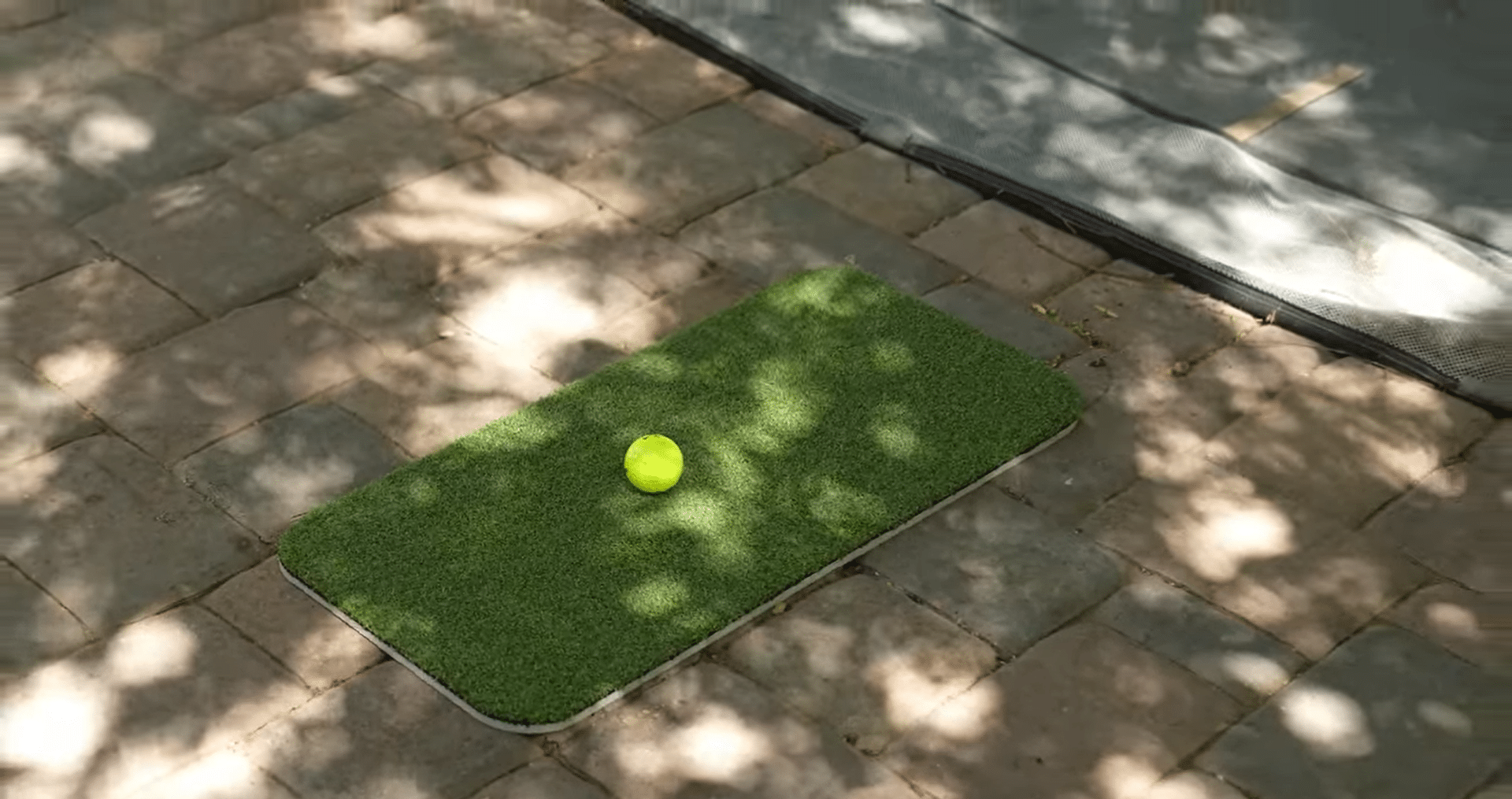
Size Options That Actually Make Sense
BirdieBall offers two sizes, and honestly, both have their place depending on your setup. The compact 1′ x 2′ model is perfect if you’re working with limited space or want something truly portable. At just 16″ x 17″ when rolled up, I can toss it in my trunk and take it to the range when I want to work on specific lies. It’s also ideal for apartment dwellers who need to stash their gear after each session. At 1.5 pounds, this smaller version is incredibly easy to transport without sacrificing the same premium turf quality.
The 3.5′ x 5′ model is what I keep in my home simulator setup. This size gives you room to adjust your stance for different shots without stepping off the mat. The integrated carry handle is a nice touch, sounds minor, but when you’re moving a mat this heavy around your garage or basement, you appreciate the thoughtful design. I’ve dragged this thing from my garage to the backyard dozens of times, and that handle has saved my back.
What I really appreciate is that both sizes use the same premium turf construction. Some companies cheap out on their smaller mats, but BirdieBall maintains the same quality regardless of size. Whether you go compact or full-size, you’re getting that same realistic feel and durability.
Shock Absorption That Saves Your Body
This is where the BirdieBall mat earned its permanent spot in my practice setup. The combination of the dense turf layer and rubber backing creates this perfect amount of give on impact. It’s not spongy like those foam-backed mats that mess with your distance control, but it’s not rock-hard either.
I did a side-by-side test with my old mat and a fresh bucket of balls. With my 7-iron, I could feel the difference immediately. The BirdieBall absorbed just enough shock to protect my joints while still providing realistic feedback on my strike quality. Fat shots feel fat, thin shots feel thin, but neither punishes your body the way a cheap mat does.
The rubber backing deserves its own mention. This thing grips whatever surface you put it on and doesn’t budge during your swing. I’ve used it on concrete, deck wood, and even slightly damp grass, and it stays put. No sliding, no bunching up, no need for additional securing. That stability translates directly into confidence during your swing; you’re not worried about the mat moving when you really go after one.
The Little Extras That Matter
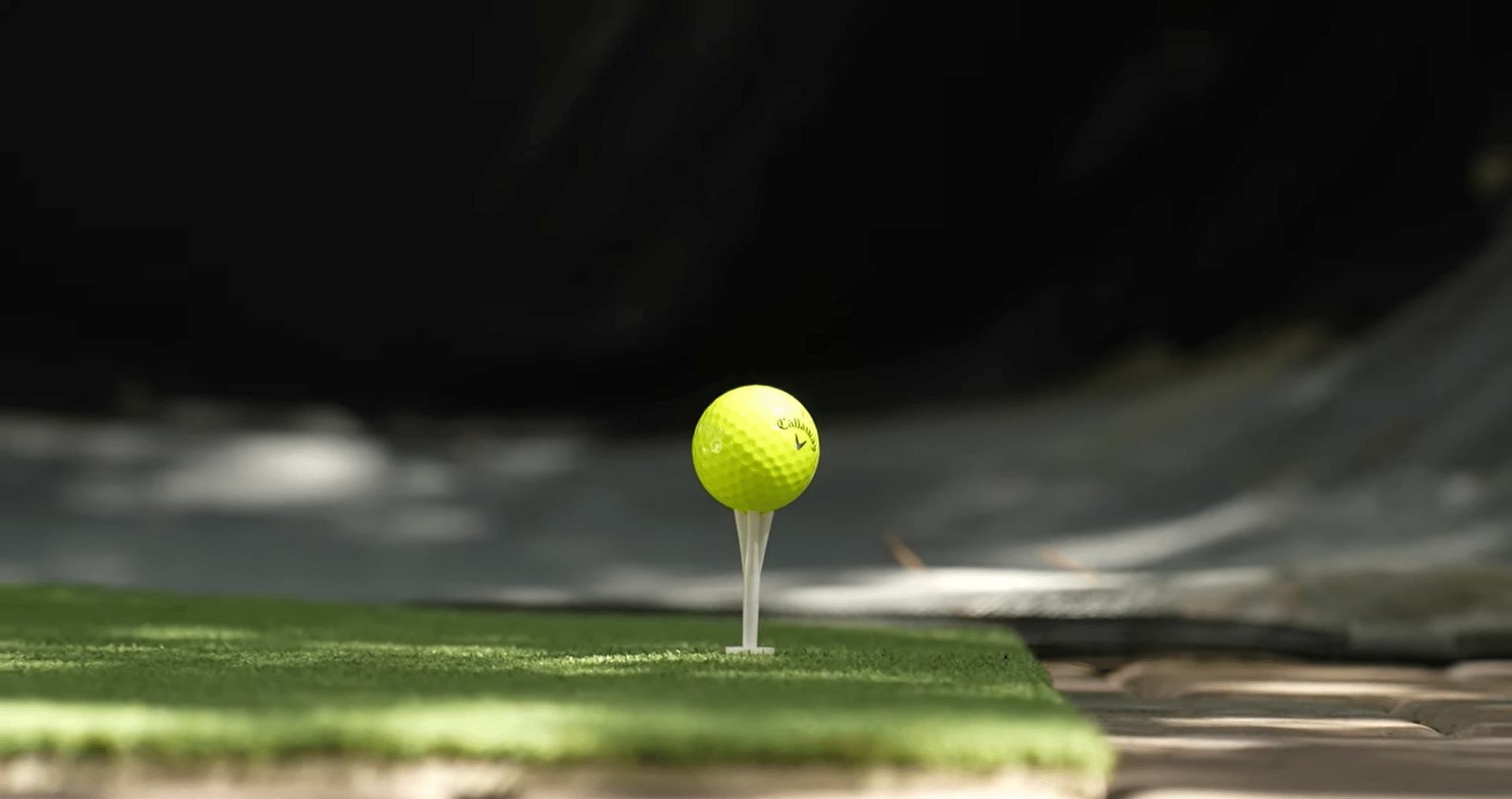
BirdieBall throws in a rubber tee holder and multiple tee heights with every mat purchase. Sounds basic, but the execution is better than expected. The rubber tee holder sits flush with the mat surface and holds tees rock-solid. I’ve launched drives that would’ve sent cheap plastic holders flying, but this one stays put.
The variety of tee heights included lets you practice everything from driver to fairway woods to those tricky long iron tee shots. I particularly appreciate having shorter tees for practicing those tour-style 3-wood stingers off the deck. The tees themselves are surprisingly durable. I’m still using the original set after hundreds of shots.
Maintenance is invigoratingly simple. A stiff broom or quick vacuum session removes any debris, and the PE fibers bounce back to their original position even after heavy use. I’ve spilled coffee on mine (twice), and a damp cloth cleaned it right up without leaving any stains or damage. Try that with a cheaper mat, and you’ll be shopping for a replacement. Just be aware that dust and debris can affect ball roll if you’re using this near a putting surface, so regular cleaning keeps everything performing optimally.
Indoor Versus Outdoor Performance
I’ve used this mat in my garage, on my back deck, and even brought it to a buddy’s backyard for practice. The performance stays consistent regardless of the environment. Indoor use is obviously ideal: no weather concerns, consistent temperature, perfect conditions. But this mat handles outdoor conditions better than any other I’ve tested.
Left it outside during a surprise rainstorm? The water runs right off, and the mat dries quickly without any mildew smell. Used it on a 95-degree day? The PE fibers don’t get soft or sticky like some synthetic materials. Even after sitting in direct sunlight for hours, the color hasn’t faded at all.
One unexpected benefit: the dual-surface design makes indoor practice way more engaging. When I’m working through a bucket of balls in the garage, I’ll switch between the fairway and rough sides to keep things interesting. It’s like having two mats in one, which helps fight the monotony of indoor practice sessions.
Experience premium golf practice with the ultra-dense, 5/8" thick BirdieBall Premium Turf Golf Hitting Mat, crafted for superior indoor/outdoor durability and performance.
- Realistic turf feel
- Durable and thick material
- Portable design
- Small hitting area
- Surface may wear over time
- Pricey compared to basics
Frequently Asked Questions
Can the Birdieball Mat Be Used Outdoors in Wet Weather Conditions?
Yes, you can use the BirdieBall mat outdoors in wet weather. It’s constructed with weather-resistant PE turf fibers and heavy-duty rubber backing that’ll handle rain and moisture without immediate damage. The rubber base prevents water seepage and keeps it stable on wet surfaces. However, you’ll want to let it dry thoroughly after use to prevent mold, and don’t leave it in standing water. The backing can become slippery when wet, so use caution.
How Much Does the Birdieball Hitting Mat Weigh for Storage Purposes?
The BirdieBall hitting mat weighs approximately 6.21 kilograms (13.7 pounds) when packaged, making it manageable for storage purposes. You’ll find the built-in carry handle helps when moving it around your home or garage. While the heavy rubber backing adds weight, it’s still light enough for you to lift alone and store in closets or under furniture. The mat’s moderate weight means you can reposition it occasionally without much difficulty.
Is the Mat Compatible With Real Golf Tees or Just Rubber Ones?
You can use both real golf tees and rubber tees with this mat. The dense PE fiber surface and heavy rubber backing support either type without damage. While the mat comes with a rubber tee for safer indoor practice, you’re free to use real tees, especially for outdoor sessions or simulator setups. There aren’t any restrictions from the manufacturer, and users report great performance with both tee types during practice.
Does Birdieball Offer Replacement Parts if the Mat Gets Damaged?
Yes, BirdieBall offers replacement parts for damaged mats. You can purchase replacement turf inserts directly from their website under the “Accessories” section. These inserts are made from the same premium PE fiber as the original, and they’re designed to easily swap out when your hitting surface wears down. If you need other damaged components replaced or have warranty questions, you’ll want to contact their customer support team for assistance with specific replacement needs.
Final Thoughts: BirdieBall Premium Turf Hitting Mat Review
After two months of daily abuse, the BirdieBall Premium Turf Mat has become the centerpiece of my practice routine. Is it expensive? Sure, but I’ve learned the hard way that buying cheap mats means buying often. This mat will outlast three or four budget options while protecting your body and actually improving your practice quality.
This mat is perfect for serious golfers who practice regularly and want realistic feedback from every shot. If you’re someone who hits a bucket of balls once a month, you might not appreciate the premium features enough to justify the cost. But if you’re grinding on your game several times a week, whether indoors or out, this mat will change your practice sessions. The combination of realistic feel, exceptional durability, and thoughtful design makes it the best hitting mat investment I’ve made in years. If you want to elevate your skills, this mat is a game-changer. After reading various reviews, including the detailed divot board hitting mat review, it’s clear that this product stands out for its quality and performance. You’ll find that your practice not only improves but also becomes more enjoyable with this high-caliber equipment.

About the author
Paul Liberatore
Paul Liberatore is the founder of Golfers Authority and a former four-year golf gear contributor to Sports Illustrated. He tests golf equipment hands-on to help golfers make better buying decisions.