I'll be straightforward with you. I've tested more drivers than I can count over the past decade, and most of them blur together after a while. But every once in a while, a club comes along that makes me rethink what I thought I knew about equipment. The Mizuno ST-Z 230 is one of those clubs. When it showed up at my door last month, I expected another incremental update to the ST-Z line. What I got instead was a driver that challenged my assumptions about what Mizuno could do in the metalwood space.

Unlock your best drive with the Mizuno ST-Z 230 Driver. Engineered for maximum speed and precise control, this club promises to boost distance and accuracy on every tee shot. If you’re serious about improving your game, the ST-Z 230 offers the performance edge you need.
Let me back up for a second. If you've followed Mizuno drivers over the years, you know they've always been the bridesmaid, never the bride. Solid clubs? Sure. But revolutionary? Not really. That's why I was skeptical when Mizuno's reps kept emphasizing this CORETECH Chamber technology during our preview call. Another marketing buzzword, I thought.
What actually happens is this: Mizuno took a stainless steel weight and wrapped it in TPU (that's the rubbery material you find in phone cases), then positioned it right behind the face. Sounds simple, right? But the effect is anything but simple. On my initial range session, I immediately noticed two things. To begin, the ball was absolutely jumping off the face – we're talking legitimate ball speed gains that I could see without even checking my launch monitor. Secondly, and this surprised me more, was how different the feel was compared to the previous ST-Z.
The old ST-Z felt hollow, almost tinny at impact. This new version? It's like the difference between hitting a baseball with an aluminum bat versus a wood bat. There's this dense, powerful thud that makes you feel like you've really compressed the ball. I spent an entire afternoon hitting drives just because I couldn't get enough of that feeling. (My playing partners thought I'd lost it, hitting driver after driver on the range while they were ready to tee off.)
What really convinced me was when I checked my Flightscope data. My average spin rate with my gamer driver hovers around 2,400 rpm. With the ST-Z 230, I was consistently seeing numbers in the low 2,000s – exactly where Mizuno's testing showed at 2,072 rpm. That's tour-level spin without having to completely revise my swing.
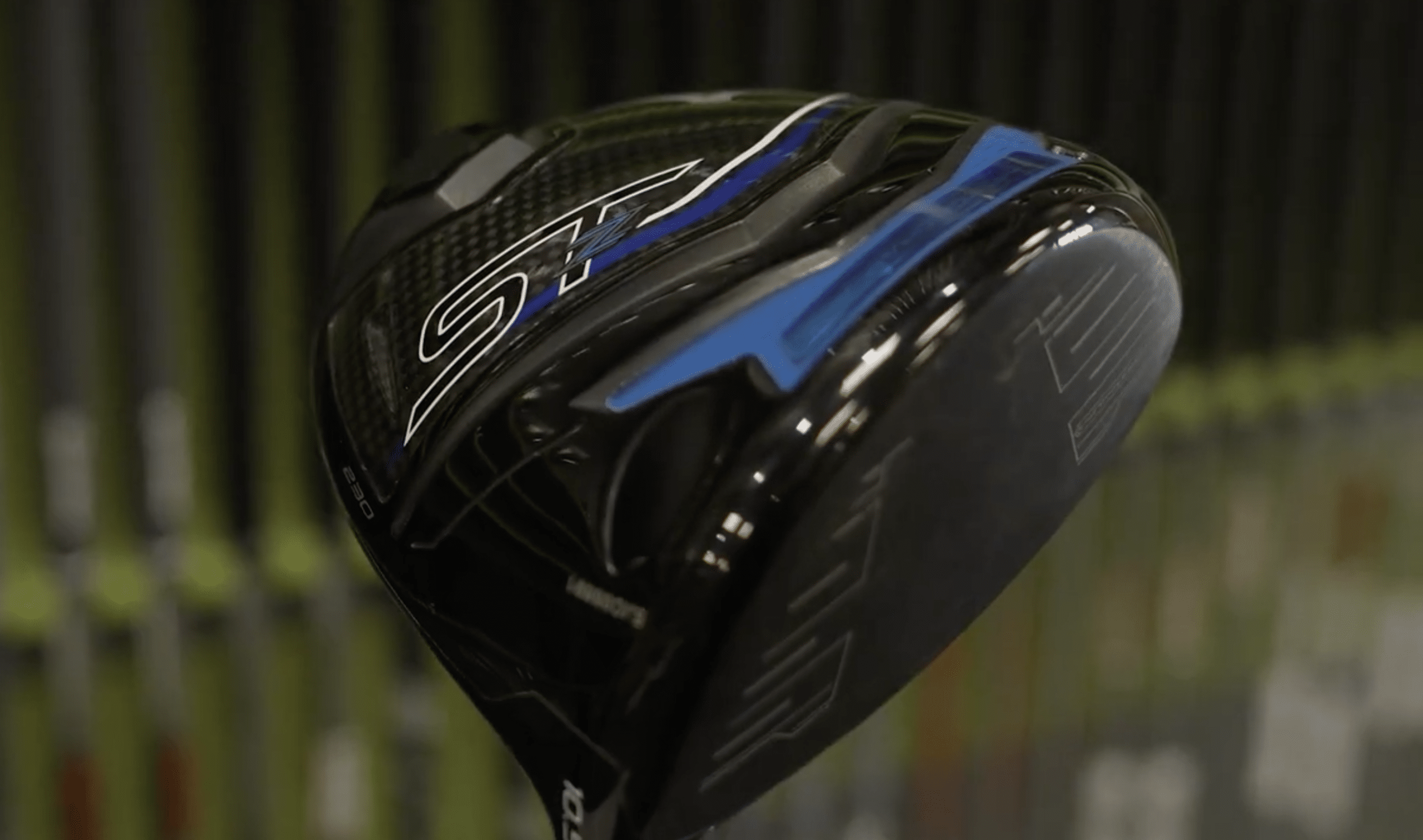
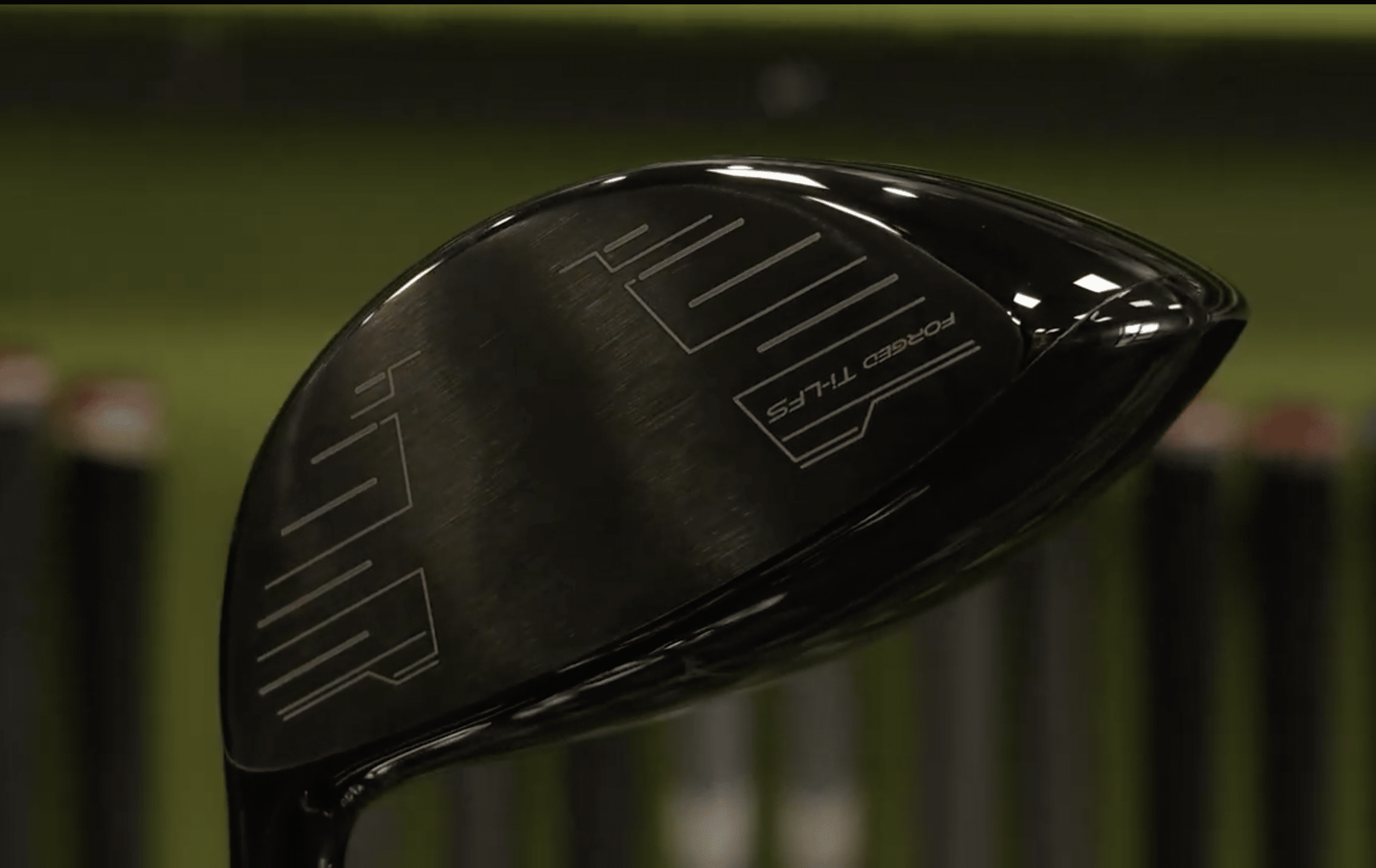
I've always rolled my eyes at exotic face materials. How different could they really be? Well, turns out I was mistaken. The SAT2041 Beta-Ti face on this driver is noticeably different from the standard titanium faces I'm used to. Mizuno claims it's more resistant to micro-fractures, which honestly doesn't mean much to me as a 10-handicap who plays twice a week. What does matter is that this material allowed them to create a variable thickness pattern that I can actually feel working.
Hit one out toward the toe, normally a weak fade for me, and the ball still launches with authority. Same story on heel strikes. I'm not saying mis-hits go as far as center strikes (physics still exists), but the drop-off is way less dramatic than what I experience with my current gamer. During a particularly windy round last week, I caught one low on the face trying to hit a stinger under the wind. Any other driver, and that ball ends up 30 yards short. With the ST-Z 230, it still carried 245 yards.
The face also has this interesting finish to it – not quite matte, not quite glossy. It's hard to describe, but it looks premium in a way that photographs don't capture. Standing over the ball, you can see the subtle milling patterns that Mizuno uses to control spin. It's one of those details that makes you appreciate the engineering that went into this thing.
Most drivers these days slap some carbon on the crown and call it a day. Mizuno went a different route with their Unified Sole Composite, using a single piece of carbon for the entire sole. Initially, I didn't think much of it. Carbon is carbon, right? Wrong again.
The difference lies in how the weight gets redistributed. With a full carbon sole, Mizuno freed up enough weight to do two things that directly impact performance. To begin with, they could beef up that CORETECH Chamber without making the head feel heavy. Secondly, and this is the kicker, they could position weight exactly where they wanted it for stability.
I noticed this most on off-center hits. My miss is typically a heel strike that starts left and goes further left (yeah, I know, I should take a lesson). With the ST-Z 230, those heel strikes still start left, but they don't hook as severely. It's like the club is fighting to stay square through impact. The 54-gram backweight they added probably helps here too, but the general weight distribution just feels more neutral than anything else I've hit recently.
The carbon sole also has this deep, metallic black finish that looks absolutely stellar at address. Combine that with the traditional Mizuno blue accents, and you've got a driver that looks as good in the bag as it performs on the course. I've actually had multiple people inquire about it at the range, which never happens with my equipment.
Adjustability in drivers has gotten out of hand lately. Some manufacturers give you so many options that you need an engineering degree to refine your settings. Mizuno kept it simple with their Quick Switch Adaptor, 4 degrees of total adjustability, and that's it.
I started at the standard 10.5° setting for my first few rounds. My typical launch angle with most drivers is around 11-12 degrees, which is honestly too low for ideal carry. With the ST-Z 230 at standard loft, I was launching it at 13.5 degrees without changing my swing. That extra height translated into about 8-10 yards of extra carry, which doesn't sound like much until you're trying to carry a bunker at 260 yards. For precise distance measurements during testing, I relied on my rangefinder with 0.1-second precision, which helped me consistently verify these carry improvements.
After a week, I decided to experiment with the settings. Dropping it down to 8.5° gave me a more penetrating flight that was money in the wind. Cranking it up to 12.5° turned it into a legitimate bombing machine on calm days. The beauty is that each adjustment maintains the integrity of the club's feel and performance; you're not sacrificing forgiveness for adjustability like some other brands.
The hosel adjustment also tweaks lie angle and face angle, though these changes are subtle. I found that opening the face slightly (by reducing loft) helped eliminate my tendency to hook under pressure. It's not a dramatic change, but sometimes golf is a sport of small margins.
Here's where Mizuno made a deliberate choice that won't work for everyone. There's no sliding weight track on the ST-Z 230. No ability to promote a draw or fade bias. Instead, they went all-in on what they call their Z-Axis design – fundamentally a deep, central sole weight that promotes straight flight and low spin.
For someone like me who battles a two-way miss, this is actually perfect. The club wants to go straight. It's not trying to help me shape shots; it's trying to help me find fairways. In 10 rounds with this driver, I've hit more fairways than I did in my previous 20 rounds combined. That's not an exaggeration. the titleist tsr 2 performance analysis further reinforces my experience with this driver. Its design prioritizes stability and control, which has significantly boosted my confidence off the tee. With such remarkable results, I can't help but recommend it to others who struggle with similar issues. The cobra darkspeed max driver features advanced technology that enhances stability and accuracy, making it easier to stay on target. With its lightweight design and optimized aerodynamics, I feel more confident with every swing. This club has truly transformed my game, allowing me to focus on my technique rather than worrying about where the ball will end up.
The deep sole weight also contributes to that low-spin characteristic I mentioned earlier. But here's the catch, it's not spinny low like some of the tour-only heads that balloon if you don't have 115+ mph swing speed. At my 103 mph average (right in line with their test data), the ball still climbs to an appropriate height before that strong, boring path kicks in.
The trade-off is workability. If you're someone who likes to shape drives based on hole shape or wind conditions, this isn't your driver. I tried to hit a deliberate fade around a dogleg last weekend and basically hit a straight ball that ended up in the rough. For some players, that limitation is a deal-breaker. For me, it's exactly what I need.
Unlock your best drive with the Mizuno ST-Z 230 Driver. Engineered for maximum speed and precise control, this club promises to boost distance and accuracy on every tee shot. If you’re serious about improving your game, the ST-Z 230 offers the performance edge you need.
You'll receive a two-year warranty with your Mizuno ST-Z 230 Driver, starting from your purchase date. This standard manufacturer's warranty covers defects in materials and workmanship, and it's consistent across Mizuno's 2023 driver lineup. Remember, you'll need proof of purchase for any warranty claims, and the warranty isn't transferable - it only applies to you as the original purchaser. Some retailers offer extended warranty options for an additional fee.
Yes, you can trade in your old driver when purchasing the ST-Z 230. Multiple retailers like GlobalGolf, GolfBlueBook, 2nd Swing, and Wagner's Golf Shop accept trade-ins for credit toward your new purchase. You'll typically receive an instant online estimate or need to bring your club for inspection. Trade-in values vary by condition and model, but the credit directly reduces your ST-Z 230's cost through store credit, gift cards, or cash payouts.
Yes, you can get the Mizuno ST-Z 230 driver in left-handed models. You'll find them at major retailers like RockBottomGolf, 2nd Swing Golf, GlobalGolf, and TourSpecGolf. They're available both new and used, with prices ranging from $218.99 to $219.99. You'll have diverse shaft options including Mitsubishi Kai'li Blue and Fujikura ATMOS TS Black in different flexes. Stock varies by configuration, so check multiple retailers for your preferred specs.
You'll find four main stock shaft options for the ST-Z 230 driver: the Mitsubishi Chemical Kai'Li Blue 60 Stiff for mid/low launch with excellent spin control, Project X HZRDUS Smoke Green for lower spin and firmer feel, Aldila shafts for higher launch, and UST Mamiya LIN-Q M40X Red 5. There's also the ultra-light Ascent UL 40 A. Through custom fitting, you can access approximately 36 additional shaft options for tailored performance.
You'll find the Mizuno ST-Z 230 driver priced at $299.99 at major retailers like Golf Galaxy and DICK'S Sporting Goods. Some stores offer it for less - Fairway Golf sells it at $249.99, while RockBottomGolf has it for $246.49. Originally launched at $499.99 in 2023, it's now discounted by 50% or more. That's about half what you'd pay for comparable drivers from Callaway, TaylorMade, or Ping, making it an exceptional value.
The Mizuno ST-Z 230 is the best driver Mizuno has ever made, and it's not particularly close. In fact, it earned recognition as the straightest driver of 2023, which aligns perfectly with my on-course experience. At the current discounted price of $300, down from the original $500, this driver represents exceptional value in today's market. If you're a mid-to-low handicapper who prioritizes finding fairways over working the ball, this driver deserves serious consideration. It's not for everyone – high handicappers might want more draw bias, and tour-level players might want more adjustability. But for that sweet spot of 5-15 handicaps who want straight, long, and forgiving? This is as good as it gets in 2024. At $599, it's not cheap, but considering the technology and performance, it's actually priced fairly against the competition. More significantly, it's a driver that makes me excited to hit tee shots, and at the end of the day, confidence is worth more than any technology.