Performance Golf Easy 5 Review: The 5-Iron Replacement You’ve Been Waiting For?

I've been playing golf for over two decades, and I thought I'd seen every "groundbreaking" fairway wood claim imaginable. So when Performance Golf sent me their Easy 5 to test, I'll admit I rolled my eyes a bit. Another miracle club promising effortless distance? Sure. But after three months and dozens of rounds with this thing in my bag, I'm eating humble pie. This isn't just marketing fluff; the Easy 5 fundamentally altered how I think about fairway woods, especially for those of us who aren't bombing drives 300 yards.

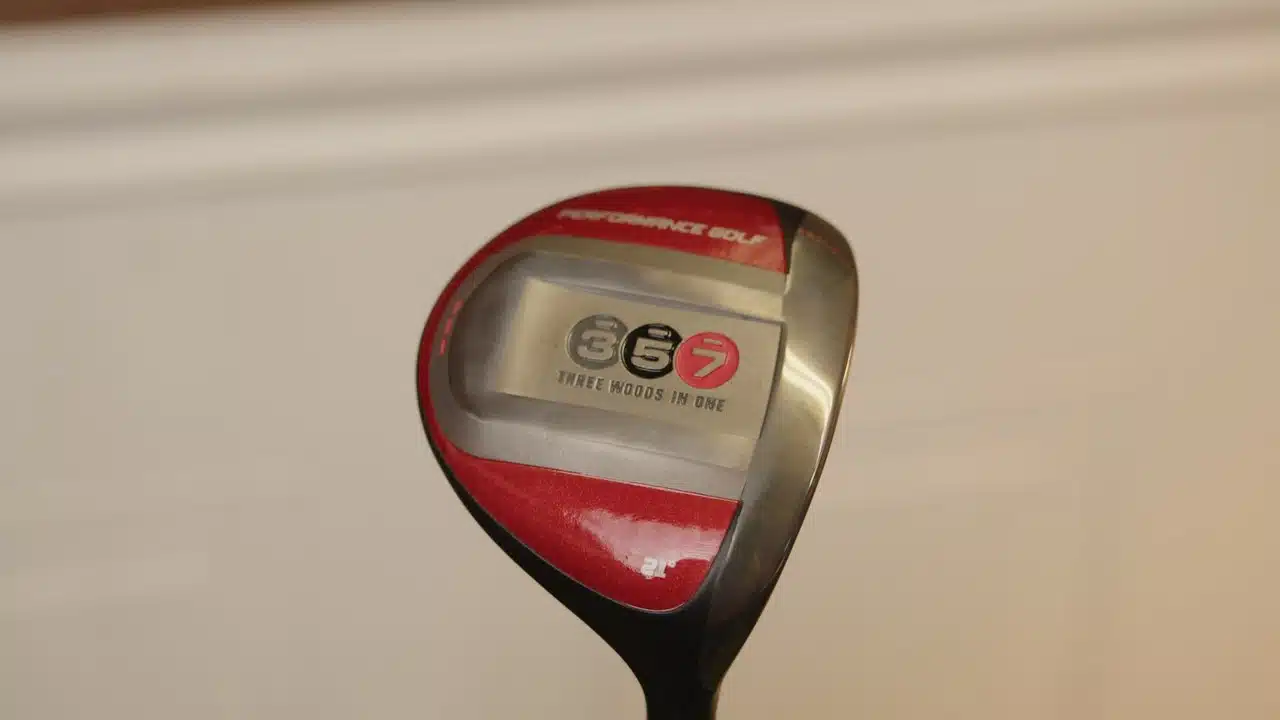
The initial time I pulled it out of the box, I noticed something different. At 21 degrees of loft, it sits somewhere between a traditional 5-wood and a 7-wood, but the face looked bigger and more inviting than either. The matte black crown with subtle alignment aids gave it a premium feel without being flashy. What really caught my attention was the weight, or lack thereof. This thing felt almost toy-like compared to my TaylorMade SIM2 fairway wood. I was skeptical that something this light could generate any real power.

Table of Contents
Performance Golf Easy 5 Fairway Wood

Struggling with unforgiving fairway woods or hybrids? The Performance Golf EZ5 revolutionizes your game as the most reliable 5-wood ever for amateurs under 100 MPH swing speed. Longer shaft reaches more greens, Precision-Launch 21° loft ensures effortless high flights from any lie, and a massive sweet spot pairs with your 8-iron swing for straighter, longer approach shots that slash scores fast.

Buy on Performance Golf
We earn a commission if you make a purchase, at no additional cost to you.

Quick Overview

That Sweet Spot Is Absolutely Massive

Let me illustrate my typical fairway wood experience. With my old 3-wood, I'd need perfect conditions and a perfect swing to get that pure, compressed strike that sends the ball soaring. Miss the sweet area by even a quarter-inch, and I'm looking at a weak fade that barely clears 180 yards. The Easy 5 completely rewrites those rules. The sweet area on this club is legitimately the size of a half-dollar coin – maybe bigger. I've tested dozens of fairway woods over the years (including the Callaway Paradym and Cobra LTDx), and nothing comes close to this level of forgiveness.

During my testing at the range, I intentionally tried to mishit balls. Heel strikes that would normally produce a violent hook stayed relatively straight. Toe hits that should have ballooned right just had a gentle fade. Even when I hit one thin (we all do it), the ball still got airborne and traveled a respectable distance. The softly curved leading edge seems to glide through the turf rather than digging, which saved me countless times when I got a little steep with my swing.

What really sold me was a shot during a casual round at my home course. I had 195 yards to a back pin, slightly uphill, with the ball sitting down in some gnarly rough. With my old 3-wood, I wouldn't even attempt this shot – I'd lay up and hope to get up and down. But I grabbed the Easy 5, made what felt like a terrible swing where I definitely hit behind it, and watched the ball launch high and land softly on the green, 15 feet from the pin. My playing partners couldn't believe it. Honestly, neither could I.

The forgiveness extends beyond just mishits too. The perimeter weighting keeps the clubhead stable through impact, even when you're swinging from an awkward stance or dealing with a sidehill lie. I've hit more greens from 180-220 yards in the past three months than I did all of last season, and it's not because my swing suddenly got better.

Close-up of a golf club head

High-Velocity Shaft Technology Actually Works

I'm usually skeptical of proprietary shaft technology; most of it feels like marketing speak for "we made it a gram lighter." But Performance Golf's High-Velocity Shaft is legitimately different. At my typical driver swing speed of 92 mph, I've always struggled to get enough clubhead speed with fairway woods to generate ideal launch conditions. The Easy 5's shaft changed that equation completely.

The shaft feels whippy in a controlled way, if that makes sense. During the backswing, you can feel it loading, almost like drawing back a bow. Then through impact, it releases that energy in a way that adds genuine speed without requiring extra effort. I took it to my local golf shop to get some numbers on their launch monitor, and the results were eye-opening. My average clubhead speed with the Easy 5 was 4-5 mph faster than my regular 5-wood, despite swinging with the same effort level. That translated to an extra 12-15 yards of carry distance.

But here's what really matters – the consistency. With traditional fairway woods, I might pure one and hit it 210 yards, then chunk the next one 150. The Easy 5's shaft technology, combined with what they call their FastFlex Face, produces remarkably similar ball speeds even on off-center hits. My dispersion pattern tightened up dramatically. Over 50 shots on the range, my longest was 218 yards and my shortest (excluding obvious mishits) was 201 yards. That's the kind of consistency that lets you actually trust a club on the course.

The anti-slice technology built into the face deserves a mention too. I've always fought a fade with my fairway woods, especially when I try to swing harder. The Easy 5 has some kind of face-squaring magic (probably related to the center of gravity placement) that neutralizes that tendency. My typical shot shape went from a 15-yard fade to a gentle 5-yard draw. For someone who's aimed left of every fairway for years to compensate for a slice, this was life-changing.

Launch Angle That Defies Logic

The 21-degree loft might not sound like much, but it's basically a strong 5-wood, and the way this club launches the ball is unlike anything I've experienced. The combination of the lightweight construction, the "zero-G" clubhead positioning (whatever that means), and the face technology creates launch conditions that seem to defy physics. I'm getting the ball flight of a 7-wood with the distance of a 4-wood.

From a perfect lie on the fairway, the Easy 5 produces this towering ball flight that peaks at what looks like 9-iron height, then lands softly. But here's where it really shines, from the rough. Most fairway woods either dig and chunk or slide under the ball when you're in thick grass. The Easy 5's high-launch design and that forgiving sole somehow extract the ball cleanly almost every time. I've hit shots from lies where I couldn't see the ball that still launched high and traveled 180+ yards.

The path also helps with carrying hazards. There's a par 5 at my course with a forced carry over water at about 200 yards from the typical layup position. With my old 3-wood, I needed perfect contact to clear it comfortably. With the Easy 5, even mediocre strikes easily clear the water with room to spare. The psychological benefit of knowing you can carry hazards without perfect contact is huge.

I also noticed the ball seems to stay in the air longer than it should. The high launch combined with what must be ideal spin rates (I'd guess around 4,000-4,500 rpm based on ball flight) creates this penetrating path that just keeps going. Into the wind, it performs better than any fairway wood I've owned, holding its line without ballooning.

Performance Golf EZ5 hybrid club close-up

Distance Without the Extra Effort

Performance Golf claims the Easy 5 can produce distances from 175 to 240 yards depending on swing speed, and my experience backs that up. At my 92 mph driver speed, I'm averaging 205-210 yards of carry with the Easy 5, which is about 15 yards longer than my old 5-wood and only 10 yards shorter than my 3-wood (which I can't hit consistently to save my life).

The Tri-Fusion and C-Cup construction creates what they call a "trampoline effect" at impact, and you can actually feel it. There's this unique sensation at impact where the ball seems to stay on the face a millisecond longer before rocketing off. It's addictive once you experience it. The energy transfer is so efficient that even swings where I felt like I barely made contact still produced respectable distances. For comparison, premium rangefinders like the Bushnell Pro X3+ can measure these distances with slope-adjusted accuracy, showing just how impressive the Easy 5's performance truly is.

What impressed me most was testing it with my wife, who has a driver swing speed around 75 mph. She's always struggled with fairway woods, usually topping them or hitting weak fades that travel maybe 120 yards. With the Easy 5, she was consistently launching balls 165-170 yards with a gentle draw. Watching her confidence grow as she realized she could reliably hit this club was worth the price of admission alone. The transformative results didn't just stop with her fairway woods; her entire game started to improve as she gained confidence. This experience perfectly showcased the performance golf straight stick benefits, where a well-designed club can truly enhance a player's ability to strike the ball effectively. As she continued to practice, I could see her becoming more excited about the game, eager to tackle new challenges on the course.

The shorter shaft length compared to a standard 3-wood (about an inch shorter) provides better control without sacrificing distance. I can swing this club at 85% effort and still get the distance I used to need 100% effort to achieve with traditional fairway woods. That's a breakthrough for accuracy and consistency, especially late in the round when fatigue sets in. Additionally, the PXG Black Ops Hybrid features a sleek design that not only enhances its aesthetics but also boosts confidence at address. The combination of this design with the optimized shaft length allows for a more reliable ball strike, making it easier to navigate tricky lies. With this hybrid in my bag, I feel empowered to tackle various course conditions without hesitation.

Versatility That Alters Course Management

The Easy 5 isn't just a fairway wood – it's become my Swiss Army knife for anything between 180 and 210 yards. Off the tee on tight par 4s where driver brings trouble into play? Easy 5. Long par 3 into the wind? Easy 5. Second shot on a par 5 from a sketchy lie? You guessed it.

The club's versatility completely altered my course management strategy. There's a short par 4 at my home course (320 yards) where I used to hit driver and hope to avoid the bunkers at 250 yards. Now I hit Easy 5 off the tee to about 210 yards, leaving a comfortable wedge into the green. My scoring average on that hole dropped by half a stroke.

From the rough, this club is simply magical. The high-launch design combined with the forgiving sole means I'm no longer automatically punching out when I miss the fairway. Unless I'm in jail behind trees, I can advance the ball toward the green with confidence. Last week, I hit a shot from rough so thick I could barely see the ball, and it still traveled 185 yards and found the front of the green.

Even from tight lies or hardpan, where I'd normally be terrified of hitting it thin, the Easy 5 performs admirably. The leading edge design seems to prevent the devastating thin shots that can ruin a round. I've gained so much confidence from these situations that I actually look forward to these shots now (something I never thought I'd say about hitting woods off tight lies).

Performance Golf Easy 5 Fairway Wood

Struggling with unforgiving fairway woods or hybrids? The Performance Golf EZ5 revolutionizes your game as the most reliable 5-wood ever for amateurs under 100 MPH swing speed. Longer shaft reaches more greens, Precision-Launch 21° loft ensures effortless high flights from any lie, and a massive sweet spot pairs with your 8-iron swing for straighter, longer approach shots that slash scores fast.

Pros:
  • Very forgiving
  • High, straight launch
  • Large sweet spot
Cons:
  • Not for fast swings
  • Longer shaft control
  • Less versatile on rough
Buy on Performance Golf
We earn a commission if you make a purchase, at no additional cost to you.

Frequently Asked Questions

Is the Performance Golf Easy 5 Suitable for Left-Handed Golfers?

Yes, you'll find the Performance Golf EZ5 perfectly suitable as a left-handed golfer. The manufacturer offers left-handed models with the same technical specifications to right-handed versions, including the same 21-degree loft, 42.5-inch length, and forgiving design features. You can choose from five shaft flex options customized to your swing speed, whether you're hitting 225+ yard drives or need a lighter ladies flex. The club's amateur-friendly technology works likewise well for lefties.

What Is the Warranty Period for the Easy 5?

You'll get a 365-day, 100% money-back guarantee with the Easy 5, which is even better than a traditional warranty. This means you can test the product for an entire year and still return it for a full refund if you're not satisfied. There's no questions asked - just contact [email protected] to start your return. The guarantee covers the Easy 5 even in used condition, as long as it's not excessively damaged.

Can I Use the Easy 5 in Tournament Play?

Yes, you can use the Easy 5 in tournament play as long as it conforms to USGA Equipment Rules. The club's specifications (42.5" shaft length, 21-degree loft) fall within legal limits for tournament use. You'll need to verify your specific Easy 5 hasn't been modified in ways that violate equipment standards. Tournament committees may inspect clubs for compliance, but if your Easy 5 meets all conforming requirements, it's tournament legal.

Does Performance Golf Offer International Shipping for the Easy 5?

Yes, Performance Golf offers international shipping for the Easy 5. You'll receive your order within 2 weeks, though it may take longer depending on customs clearance in your country. They'll ship from their US warehouse within 2-3 business days of your order. You can choose priority shipping at checkout if you'd like faster delivery. Keep in mind you're responsible for any customs duties or taxes your country charges.

Are Replacement Parts Available if the Easy 5 Gets Damaged?

No, you can't purchase individual replacement parts for the Easy 5. Performance Golf doesn't sell separate components like shafts or heads - they only offer complete club replacements. If your Easy 5 is damaged due to a manufacturing defect, you'll need to contact their customer service for a warranty replacement of the entire club. For damage beyond warranty coverage, you should still reach Performance Golf directly for guidance on your options.

Final Thoughts

After three months with the Easy 5, I can honestly say it's earned a permanent place in my bag. This isn't just another fairway wood; it's a problem-solver that makes the sport easier and more enjoyable for amateur golfers. If you're someone with a driver swing speed under 100 mph who struggles with consistency from fairway woods, this club will alter your long game. The package includes comprehensive training videos from professional instructors to help you maximize your performance with the club. It's particularly perfect for senior golfers or anyone who values accuracy and consistency over raw distance. Yes, it's an investment, but considering it can effectively replace two or three clubs in your bag while dramatically improving your fairway hit percentage, the value proposition is actually quite strong. The Easy 5 won't fix a terrible swing, but it will enhance what you've got and minimize your mistakes in a way that few clubs can match.

Choosing the Right Fairway Woods for Your Golf Game

You'll want to choose fairway woods based on your skill level and typical shot needs. Beginners should start with higher-lofted 7-woods (21°) for easier launch, while experienced players can handle 3-woods (13-15°) for maximum distance. Look for larger clubheads that offer more forgiveness on mishits, and consider graphite shafts if you have slower swing speeds. Top performers like TaylorMade Qi35 and Mizuno ST-MAX 230 balance distance with accuracy perfectly. Master these fundamentals to reveal strategic advantages that'll reshape your approach game.

Understanding Different Types of Fairway Woods and Their Characteristics

Choosing the right fairway wood starts with understanding that these clubs come in several distinct varieties, each designed for different situations and skill levels. You'll find fairway woods ranging from 13 to 27 degrees of loft, but most golfers stick with clubs between 14 and 21 degrees. The key point is: lower-lofted woods like 3-woods (13-15 degrees) deliver serious distance but demand higher swing speeds and better accuracy. Meanwhile, higher-lofted options like 5-woods, 7-woods, and 9-woods offer easier launch and greater forgiveness. The larger clubheads provide more forgiveness than long irons, while the shallow face design helps you get the ball airborne from fairways or light rough. Your swing speed and skill level determine which type works best for your game. Different head shapes like traditional round designs, shallow profiles, and compact options each offer distinct benefits for launch angle, forgiveness, and overall ball flight characteristics. Modern fairway woods have evolved from wooden clubheads to advanced metal construction, significantly enhancing overall performance and distance capabilities. Testing results consistently show that factors like forgiveness and control should be prioritized when selecting fairway woods to match your specific playing style and consistency goals.

Performance Benefits That Make Fairway Woods Essential Club Choices

When you add fairway woods to your bag, you're getting clubs that deliver performance advantages no other club can match. These versatile clubs excel from fairway lies, light rough, and even tricky spots near greens where other long clubs would struggle.

Here's what makes them crucial: you'll gain 20-30 yards more distance than irons while maintaining better accuracy than your driver. Modern fairway woods feature larger sweet spots and higher MOI designs that keep your shots straighter, even on off-center hits. The variable face thickness technology enhances ball speed across the entire clubface. Just like with irons, proper fitting is essential to maximize your fairway wood performance and suit your individual swing mechanics.

You can confidently use them off tees on tight holes, execute long approach shots into par 5s, or even try bump-and-run shots near greens. That's versatility you simply can't get elsewhere! The wide sole design provides excellent turf interaction, making it easier to get the ball airborne from various lies. High-lofted fairway woods like 7-woods are gaining popularity among professionals for their ability to bridge the gap between long irons and traditional fairway woods.

Matching Fairway Wood Selection to Your Skill Level and Shot Requirements

Your skill level and the shots you typically face on the course should drive your fairway wood selection more than any marketing hype or what your playing partners carry. The important point is: beginners and high handicappers benefit most from higher lofted clubs like 7-woods (21°) because they're easier to hit and get airborne. Mid-handicappers typically find their sweet spot with versatile 5-woods that balance distance and forgiveness. Low handicappers can handle 3-woods (13-15°) for optimal distance, but they require better swing speed and technique.

Match your loft to your typical shots too. Need soft landings on greens? Higher lofts work best. Playing long, open courses? Lower lofts enhance distance. Struggling with launch? Stick with 19° or more until your swing improves! For challenging rough lies, consider how fairway woods perform compared to other club options in your bag. Modern fairway woods feature low-center-of-gravity weighting that enhances control and allows for higher launch angles with reduced spin. Consider shaft material as well, since graphite provides lighter weight and higher ball flight while steel offers more control and precision.

Key Factors to Consider When Selecting Your Fairway Woods

Several critical factors will make or break your fairway wood selection, and understanding each one helps you avoid costly mistakes that leave you frustrated on the course. Loft becomes your initial decision—3-woods (13-15°) offer maximum distance but demand skill, while 7-woods (21°+) provide easier launches and softer landings. Your shaft choice matters too: graphite works best for slower swings, steel gives faster swingers better control. Steel shafts typically weigh between 90-130 grams and provide greater control with consistent flex, while graphite options are lighter and help reduce vibration and fatigue. Clubhead size affects forgiveness—larger heads (150-180cc) help with off-center hits, while compact designs suit skilled players seeking penetrating flights. Don't forget adjustability features! Modern fairway woods often include loft and lie adjustments, letting you fine-tune performance without buying new clubs. The fitting environment significantly influences your club selection process, whether you're testing at an indoor retail shop with launch monitors, an outdoor range with varying technology, or conducting an online consultation. Ultimately, budget wisely—premium materials like maraging steel cost more but deliver noticeable performance gains.

Top-Performing Fairway Wood Models and Professional Testing Results

Professional testing results from 2025 reveal clear winners across different performance categories, giving you solid data to guide your fairway wood decision. Embers Golf's extensive testing of nine top models placed the TaylorMade Qi35, Mizuno ST-MAX 230, and PING G440 Max in the top five overall rankings.

Here's what stands out: the Mizuno ST-MAX 230 delivers exceptional forgiveness at under $200, making it a standout value pick. Meanwhile, the Wilson Dynapower Carbon ranked second in carry distance tests but struggled with side-to-side consistency on mishits. The TaylorMade Qi35 Max impressed testers with its Thru-Slot Speed Pocket technology, maintaining ball speed even when you don't catch it perfectly. The Callaway Elite Triple Diamond features AI 10x face technology that significantly enhances ball speed on off-center hits. Tour Edge has emerged as a budget-friendly sleeper option, achieving impressive high ball flight performance that rivals more expensive competitors. Just as golfers need different wedge grinds for various course conditions and swing types, selecting the right fairway wood technology and design features can dramatically improve your performance from the fairway. These results emphasize that you'll need to balance distance, forgiveness, and launch characteristics based on your specific swing.

Maximizing Versatility and Course Management With Strategic Fairway Wood Usage

Beyond picking the right fairway wood, smart course strategy separates good rounds from great ones. You'll want to analyze each hole backward from green to tee, identifying the safest landing zones rather than just bombing it as far as possible. The important point is: fairway woods shine on tight par 4s where your driver's accuracy gets compromised. Use them to widen your approach angles and target those wider fairway sections that keep you out of trouble.

Modern fairway woods offer adjustable launch characteristics that help you shape shots around doglegs and hazards. In windy conditions, they're your best friend for controlling ball flight and distance. Your tee box placement within the available area can dramatically change your approach angle and help you avoid bringing hazards into play. Just as with driver selection, understanding your common shot patterns like slice or hook tendencies will help you choose fairway woods with appropriate weighting to correct these issues. The key? Plan conservative targets but swing aggressively – this balance gives you confident execution while managing risk on complex holes.

Frequently Asked Questions

How Often Should I Replace My Fairway Woods?

You should replace your fairway woods every 3-5 years, depending on how often you play. If you're hitting 20+ rounds annually, consider replacing them every 3-4 years to keep up with technology advances. The reality is—newer woods offer better ball speed and forgiveness with lower centers of gravity. Unlike wedges, fairway woods last longer since groove wear isn't as dramatic.

Can I Use Fairway Woods for Chipping Around the Greens?

You can use fairway woods for chipping around greens, and it's surprisingly effective. The larger sole prevents digging into tight lies, while the club's weight generates power with less effort. Use a putting-style stroke with slight wrist hinge, choke down for control, and keep the clubface flat. It's perfect for shots needing more roll than carry through fringe areas.

What's the Price Difference Between Beginner and Professional Fairway Woods?

You'll find beginner fairway woods typically cost $100-$200, while professional models range from $300-$500 or more. That's quite a jump! Beginner clubs like the Mizuno ST-MAX 230 emphasize forgiveness and larger heads to help new players. Pro-level woods use advanced materials, multi-material construction, and compact tour-shaped heads for precision. The price difference reflects the technology—pros get shot-shaping control, beginners get easier launches.

Should I Carry Both Hybrids and Fairway Woods in My Bag?

You should absolutely carry both if you've got the bag space! They serve different purposes - fairway woods give you maximum distance (think 200+ yards) from good lies, while hybrids excel from rough and tricky spots with better forgiveness. The reality is: most golfers benefit from having options. Try a 3-wood for distance and a 4-hybrid for versatility!

How Do Weather Conditions Affect Fairway Wood Performance?

Weather dramatically impacts your fairway wood performance. Cold temperatures cost you 1-2 yards per 10°F drop because balls compress less and air gets denser. Headwinds force club-up decisions, while tailwinds let you swing easier. Rain kills your roll distance on wet fairways, and moisture reduces clean contact. Wind affects longer shots more, so you'll need strategic adjustments for accuracy and distance control.

Conclusion

You've got all the tools you need to pick the perfect fairway woods for your game! Remember, there's no one-size-fits-all solution – your swing speed, skill level, and course conditions should drive your decision. Start with one versatile fairway wood, test it out for several rounds, then build your collection from there. Don't overthink it – confidence with your clubs beats having the latest model every time.

7 Wood Distance: How Far Should You Expect to Hit Your 7-Wood?

Your 7-wood distance depends on your skill level and swing speed, with most golfers hitting it between 145-225 yards. If you're an average amateur, expect around 180-200 yards, while scratch golfers typically carry it 215-225 yards. PGA Tour pros can push it to 245 yards! Your swing speed matters too—80-90 mph gets you 145-170 yards, while 90-105 mph reaches 185-200 yards. Understanding these benchmarks helps you uncover what's holding back your potential.

Table of Contents

Average 7-Wood Distance by Player Category

Most golfers wonder how far they should be hitting their 7-wood, and the answer depends heavily on your skill level and gender. PGA Tour pros absolutely crush their 7-woods, averaging 225-245 yards with some reaching 260 yards! That's thanks to their incredible swing speeds and perfect contact. If you're a scratch golfer, you'll likely carry yours 215-225 yards.

For average male amateurs, expect distances between 180-200 yards. Mid-handicappers around 15 typically hit it 180-195 yards, while lower handicaps reach 200-210 yards. Higher handicaps see shorter distances around 165-180 yards. The low center of gravity in 7-woods helps golfers achieve these distances more consistently than with long irons. The 7-wood's 20-23 degree loft creates a higher launch angle and softer landing compared to difficult long irons. Remember that hard and dry fairways will give you extra roll and distance compared to wet conditions.

Female pros on the LPGA Tour average 190-220 yards, about 40 yards less than male pros. Female amateurs generally hit theirs 110-160 yards, depending on maturity and skill level.

How Loft Angle Affects Your 7-Wood Performance

While distance numbers tell part of the story, your 7-wood's loft angle is the real breakthrough that determines how your ball flies through the air. Most 7-woods feature loft angles between 20° and 23°, with 21° being the sweet spot. The important aspect—that extra loft compared to your 5-wood (around 18°) creates a higher ball flight that lands softer on greens.

The higher path you'll get from that 21° loft helps your ball stick when it hits the green, rather than bouncing and rolling past the pin. You're also getting increased backspin, which acts like brakes on landing. This loft angle positions your 7-wood perfectly between your hybrid and fairway woods, filling that essential distance gap while giving you the control you need for approach shots. The dynamic loft of your 7-wood can reach around 24°, significantly higher than the 15° you'd get from a 4-iron, creating that ideal launch angle for better trajectory. Your swing speed also plays a crucial role in maximizing your 7-wood's performance, as matching the right shaft flex to your swing tempo ensures optimal ball flight and distance consistency.

7-Wood Vs Other Clubs: Distance and Usage Comparison

When you're trying to figure out where your 7-wood fits in your bag, the distance comparison with other clubs tells a fascinating story. Your 7-wood typically carries 145-210 yards, sitting perfectly between your 5-wood (150-220 yards) and those tricky long irons you've been struggling with.

Two golf club heads displayed outdoors.

Here's where it gets interesting: your 7-wood replaces that 3 or 4 iron you can't hit consistently, providing similar distance (180-200 yards) with way more forgiveness. Compared to hybrids in the same range, you'll get a higher ball flight and softer landings—perfect for holding greens! Your 3-wood still crushes it 30-50 yards farther, but the 7-wood gives you that essential middle-distance option with better control and workability than hybrids. Different skill levels will see varying distance ranges with the same club, so understanding where you fit on the amateur to professional spectrum helps set realistic expectations.

The club loft of your 7-wood directs the ball's vertical path, creating that perfect trajectory for approach shots. Remember that quality of strike matters more than pure swing speed when it comes to maximizing your 7-wood performance.

Distance Expectations Based on Your Handicap Level

Your handicap level dramatically affects how far you'll actually hit that 7-wood, and understanding these expectations can save you from some seriously embarrassing club selections. If you're a scratch to 5-handicap player, you'll likely bomb it 200-225 yards thanks to faster swing speeds and consistent ball-striking. Mid-handicappers (10-15) typically see distances around 180-195 yards, while higher handicappers (20-25+) average 165-180 yards. The reality is – these differences aren't just about swing speed. Better players generate higher launch angles and softer landings, making the 7-wood incredibly versatile for approach shots. The gap between skill levels can be massive, sometimes 50+ yards, so don't base your expectations on your buddy's distances! Just like with iron selection, understanding how loft affects your trajectory and distance can help you optimize your 7-wood performance for your specific skill level.

Why PGA Tour Professionals Choose 7-Woods

The PGA Tour has witnessed a fascinating shift in recent years, with over 10% of professionals now carrying 7-woods or higher-lofted fairway woods in their bags – a dramatic increase from historically low usage rates. You'll find stars like Xander Schauffele, Dustin Johnson, and Tommy Fleetwood reaching for these clubs regularly. Here's why they're making the switch: 7-woods offer serious forgiveness compared to brutal 3-irons and 4-irons. The larger clubhead and 21-24° loft create higher launch angles and softer landings – perfect for today's firm greens and thick rough. They're incredibly versatile too, handling everything from tee shots on short par-4s to tricky recovery situations. Modern shaft technology has made these clubs even more appealing, with custom builds filling precise yardage gaps between long irons and 3-woods. Many tour players prefer graphite shafts in their 7-woods because they promote greater swing speed and distance while maintaining excellent feel and control for precise shot-making. The increased spin rate of approximately 1,000 RPMs compared to driving irons provides enhanced stopping power on greens. These clubs effectively bridge the gap between long irons, hybrids, and traditional fairway woods in professional setups.

Key Factors That Determine Your 7-Wood Distance

Understanding what affects your 7-wood distance isn't rocket science, but several key factors work together to determine how far that ball flies. Your swing speed takes the lead role here—faster swings create higher ball speeds and longer carries. Most golfers see distances between 160 to 240 yards, depending on their clubhead speed. Contact quality matters tremendously too. Hit the sweet spot, and you'll enhance your smash factor for peak distance. Miss it, and you'll lose yards quickly.

Your skill level also plays a part. Scratch golfers typically carry their 7-woods 215-225 yards, while higher handicappers see 165-195 yards. The launch angle you achieve with your 7-wood is crucial for maximizing distance potential. Modern equipment helps everyone though—today's 7-woods feature reduced spin and improved ball speeds for better distance control! Proper swing tempo with a controlled backswing followed by an accelerated downswing helps maximize your clubhead speed at impact.

Swing Speed Impact on 7-Wood Carry Distance

Four golf clubs on a sunny green lawn.

Regarding 7-wood distance, swing speed acts like the engine that drives everything else. Your clubhead velocity directly translates to ball speed, which determines how far you'll carry the shot.

Here's how it breaks down: if you swing your driver around 80-90 mph, expect your 7-wood to carry 145-170 yards. Bump that up to 90-105 mph, and you're looking at 185-200 yards—right in the wheelhouse for most recreational golfers. Fast swingers over 105 mph can launch it 210-225 yards, while tour pros reach an impressive 230-260 yards.

But the point is—faster isn't always better! Higher swing speeds demand better timing and strike quality. Miss the sweet spot at high speeds, and you'll lose more distance than slower swingers would. To maximize your potential regardless of swing speed, focus on achieving center contact on the clubface, as this optimizes power transfer and helps you get the most distance from every swing.

Modern 7-Wood Technology and Performance Improvements

While your grandfather's 7-wood might've gotten the job done, today's clubs pack technology that would make a NASA engineer jealous. Modern 7-woods use titanium and carbon fiber to create larger clubheads with bigger sweet spots without adding weight. Variable face thickness gives you increased ball speed across more of the clubface—even when you don't hit it perfectly center. Computer-aided design enhances every curve for better aerodynamics, while lowered centers of gravity help launch shots higher with less spin for softer landings. Some clubs even feature adjustable shafts that let you tweak loft and lie angles on the fly! These adjustable hosels allow golfers to modify face angle settings to match their swing characteristics and course conditions. Just as wedge grinds are tailored to different swing types and course conditions for optimal performance, modern fairway woods utilize similar design principles to maximize shot efficiency. Smart grips with sensors can track your swing metrics and connect to mobile apps for customized feedback. Advanced nano-materials are now being integrated into club construction to further enhance durability while maintaining the flexibility needed for optimal performance.

Course Conditions and Equipment Effects on Distance

All that advanced technology means nothing if you don't account for the conditions where you're actually swinging your 7-wood. Firmer fairways will add precious rollout yards to your shot, while soft, wet conditions steal distance by stopping your ball dead on landing. Wind becomes your biggest ally or enemy—tailwinds can enhance your carry by 15-20 yards, but headwinds will knock that same distance right off your shot.

Temperature matters more than you'd think! Warmer air means less density, so your ball flies farther. Cold days shrink your distances noticeably. Your equipment choices amplify these effects too. Longer shafts generate more clubhead speed, but you'll need proper flex matching your swing. The right golf ball selection—low spin, higher compression—maximizes your 7-wood's potential in any conditions. Advanced players looking for maximum distance control often benefit from multi-layer balls that provide the optimal combination of carry distance and spin performance with longer clubs like the 7-wood.

Maximizing Your 7-Wood Distance Potential

Getting the most from your 7-wood isn't just about swinging harder—it's about understanding how this club's unique design works with your swing to deliver consistent distance. Your clubhead speed matters most, but the key point is: solid contact trumps raw power every time. Focus on striking the ball cleanly with that 42-inch shaft working in your favor.

Try maintaining a slightly upward angle of attack—this optimizes launch while reducing spin for better carry distance. Think of it like launching a rocket: you want that ball climbing high, not drilling into the ground! Regular practice builds the muscle memory you need for consistent strikes. Perfect these fundamentals, and you'll see your 7-wood become a reliable distance weapon in your bag.

Engaging your body's large muscles while maintaining proper tempo creates the smooth, repeatable swing that generates effortless power with your 7-wood.

Frequently Asked Questions

Should I Carry Both a 5-Wood and 7-Wood in My Bag?

You should carry both if you want tighter distance gaps and more shot options. The 5-wood gives you about 5-10 yards more distance with a lower flight path, while the 7-wood offers easier launch and softer landings. If you're a higher handicapper, the 7-wood's forgiveness makes it especially useful. However, if bag space is tight, choose based on your weakest area!

What's the Ideal Shaft Flex for My 7-Wood Swing Speed?

Your 7-wood shaft flex depends on your swing speed. If you're swinging 80-95 mph, go with regular flex. Faster swingers at 95-105 mph need stiff flex for better control. Above 105 mph? Extra stiff's your friend. Slower than 80 mph calls for senior or ladies flex. Here's a quick check: if you drive under 200 yards, try senior flex; 201-235 yards means regular flex works perfectly!

How Do I Know if a 7-Wood Fits My Playing Style?

You'll know a 7-wood fits your style if you struggle with long irons but want soft-landing approach shots. If you carry it 180-200 yards with good height and can hold greens better than with hybrids, that's a great sign! Players who value forgiveness over workability and prefer smoother swings typically love 7-woods. Test one against your 4-iron – if the 7-wood feels easier and more consistent, it's probably perfect for your bag.

Can a 7-Wood Replace Multiple Clubs in My Current Setup?

Yes, a 7-wood can definitely replace multiple clubs in your bag! It covers the same 180-200 yard distance as your 4-iron and 3-hybrid while being much more forgiving. You'll get higher, softer landings that long irons can't match. Many golfers replace their 3-iron, 4-iron, and even some hybrids with just one 7-wood, simplifying their setup without losing distance or versatility.

What's the Best Way to Practice 7-Wood Shots Effectively?

Start with half-swings to build feel, then progress to full shots. Practice from different lies—fairway, rough, and uneven ground—to simulate real course conditions. Use alignment sticks for consistent setup and hit shots off low tees to encourage proper upward strike. Focus on smooth tempo rather than power, and target specific landing areas instead of just distance. Track your carry distances to develop realistic yardage expectations.

Conclusion

Your 7-wood distance depends on several key factors working together. Your swing speed, handicap level, and course conditions all play major roles in how far you'll hit it. Most golfers see distances between 140-180 yards, but don't get discouraged if you're hitting shorter! Focus on consistent contact and proper technique rather than chasing maximum distance. With practice and the right equipment adjustments, you'll find your sweet spot.