PXG golf clubs don't come from a single factory; they're assembled from components sourced globally. Your forged iron heads likely come from Japanese foundries known for tight tolerances, while shafts and grips arrive from specialized manufacturers across Asia. The actual assembly happens at PXG's company-owned build shops in the U.S., Canada, and the U.K., where technicians customize each club to your exact specifications. Understanding this process reveals why PXG's pricing works the way it does.
When you're dropping serious money on PXG clubs, you're not just paying for a fancy logo; you're investing in engineering that happens right in Scottsdale, Arizona. This isn't outsourced design work; PXG's headquarters houses the entire research and development operation where every club concept originates.
The engineering team includes some of the industry's most respected club designers, and they're working with advanced prototyping labs equipped with CNC machines. These aren't theoretical engineers drawing pretty visuals; they're building actual prototypes daily for testing and enhancement. Five AIS CNC machines are specifically utilized for creating prototypes and custom clubs, requiring dozens of iterations for wedges and irons to achieve the desired performance.
Here's what matters: every design goes through CAD modeling, material research, and extensive performance testing before Bob Parsons himself tests and approves it. The precision engineering ensures clubs can be properly fitted to match each golfer's unique swing and physical attributes, maximizing performance benefits. You're getting clubs engineered to meet USGA regulations while pushing innovation boundaries. That Scottsdale address represents real engineering investment, not marketing fluff.
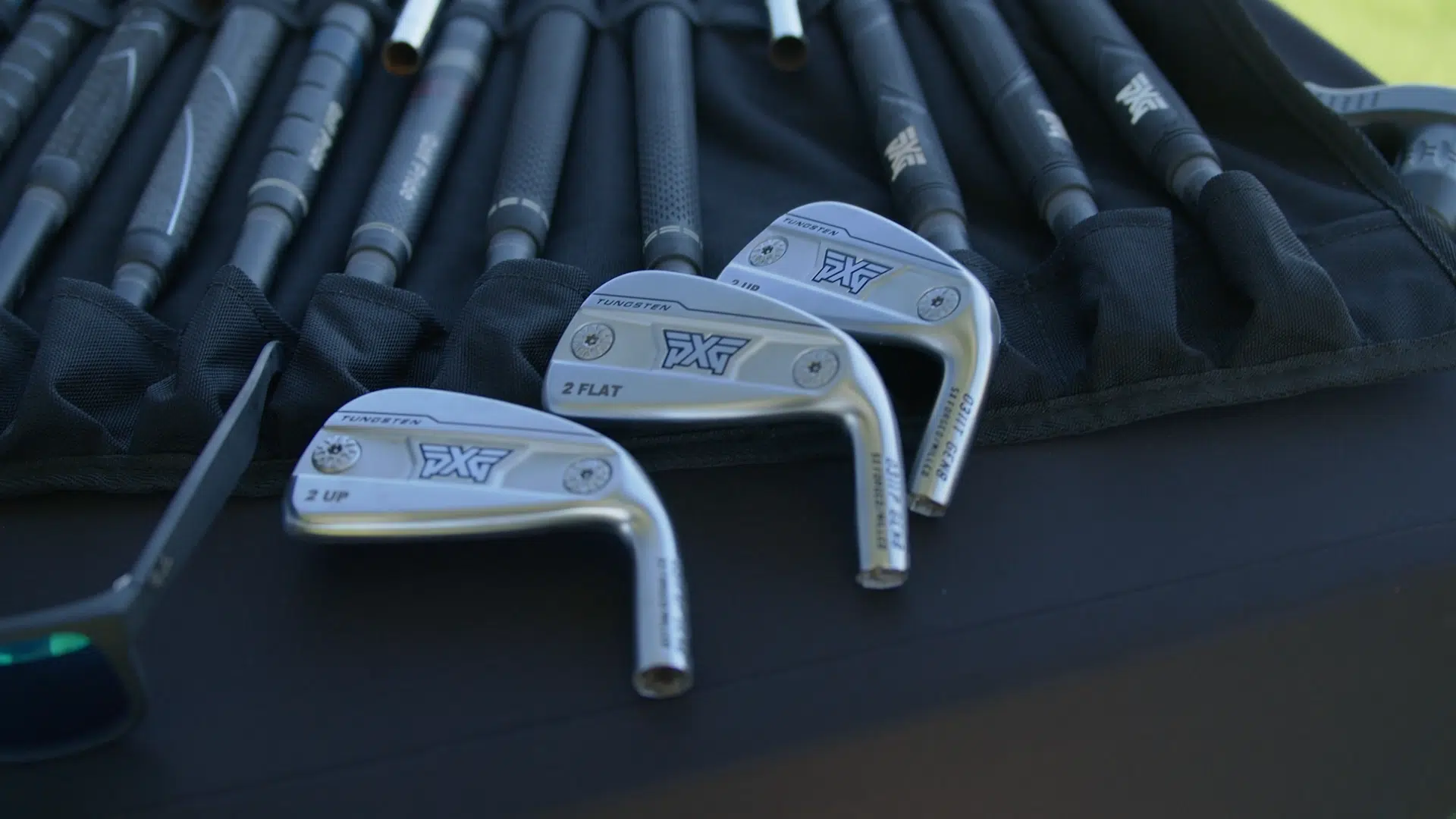
Scottsdale handles the brainwork, but your clubs actually come together at PXG's company-owned build shops, and this is where the rubber meets the road on custom orders. You'll find facilities in the United States, Canada, and the United Kingdom, each maintaining identical assembly standards.
Here's what matters: Expert Builders with years of hands-on experience assemble every order through multiple specialized stations. Your specs get verified twice for swing weight alone, once dry, once after final assembly. Loft, lie, length, and grip alignment all get checked against your exact order sheet. The production process includes ferrule installation along with careful glue-up procedures to ensure lasting durability. This mirrors the approach used at Ping's Phoenix facility, where each worker serves as a quality inspector throughout the detailed work order process.
The UK facility at Royal Mills can push out over 2,000 clubs daily and delivers custom builds to European customers in roughly 10 days. That's company-owned efficiency, not outsourced guesswork.
Once your custom specs leave the fitting bay, a five-station assembly process converts individual components into a finished club, and each station exists to catch errors before they compound.
Station one verifies every component matches your order sheet before anything gets cut. Station two handles shaft trimming to your exact length specs using calibrated tools. Station three measures swing weight dry, before any glue touches the joint, so technicians can dial in tip weights precisely.
The fourth station bonds the shaft to the head with epoxy, aligns everything to scoring marks, and uses heated carousels to cure three times faster than air drying. Ultimately, station five installs ferrules, bends loft and lie angles, grips to alignment, and runs final swing weight verification before your clubs ship. These custom fittings and adjustments can also be performed on pre-owned equipment, with services ranging from regripping to extensive rebuilds, depending on your needs.

Although PXG markets itself as an American golf company headquartered in Scottsdale, the reality of modern club manufacturing means your iron heads, shafts, and grips travel thousands of miles before they ever reach Arizona for assembly.
Your premium forged irons come from Japanese foundries, and there's good reason for that. Japan's metalworking proficiency delivers the tight tolerances and buttery feel that serious players demand. Shafts arrive from leading Asian and global manufacturers, while grips ship from specialist makers worldwide. The small parts, weights, inserts, and precision components come from factories scattered across China, Vietnam, and Thailand.
This isn't a knock against PXG. It's simply how the golf industry works. Every major brand sources globally because that's where the specialized manufacturing proficiency actually lives. Even Callaway, once known for assembling clubs in Carlsbad, transitioned its manufacturing operations to Mexico and various Asian countries back in 2010.
For European golfers, the distance between Arizona and their doorstep used to mean one thing: waiting. PXG changed that equation with their UK Build and Distribution Center in Surrey.
This 31,563 square-foot facility in Esher isn't just a warehouse; it's a full custom build operation. Your clubs get assembled right here on British soil, built to your exact fitting specifications by dedicated build teams. The result? A 10-day order-to-shipment turnaround that matches what American golfers have enjoyed for years.
The Surrey center houses multiple build cells capable of producing over 2,000 clubs daily when running at full capacity. Each club goes through the complete assembly process: shaft cutting, swing weighting, loft and lie adjustments, grip installation, and rigorous quality checks. This level of personalization explains why custom golf clubs cost 10% to 30% more than off-the-rack options. Same quality, shorter wait.
Flip over any PXG club, and you'll spot a "Made In USA" stamp that tells you less than you think. That label specifically denotes to final assembly, where skilled Artisans in Scottsdale bond shafts to heads, dial in swing weights, and install grips. It doesn't mean every component originated in Arizona.
Here's the reality: your clubhead likely came from a Japanese foundry, your shaft from manufacturers scattered across Asia, and your grip from specialist suppliers worldwide. PXG sources components globally because that's where the best technology lives. This approach mirrors other premium brands like TaylorMade, which designs clubs in Carlsbad while manufacturing components in China and Vietnam before final assembly. TaylorMade manufacturing locations worldwide exemplify the global nature of the golf equipment industry, ensuring access to cutting-edge materials and expert craftsmanship. By leveraging multiple facilities, TaylorMade can maintain high standards of quality while optimizing costs and production timelines. This strategy not only enhances performance but also allows for innovative designs that cater to golfers of all skill levels.
Don't let this bother you. The "Made In" designation marks where craftsmanship happens, where your custom specs get translated into a finished club. You're paying for PXG's assembly know-how and quality control, backed by premium parts from the world's top suppliers.
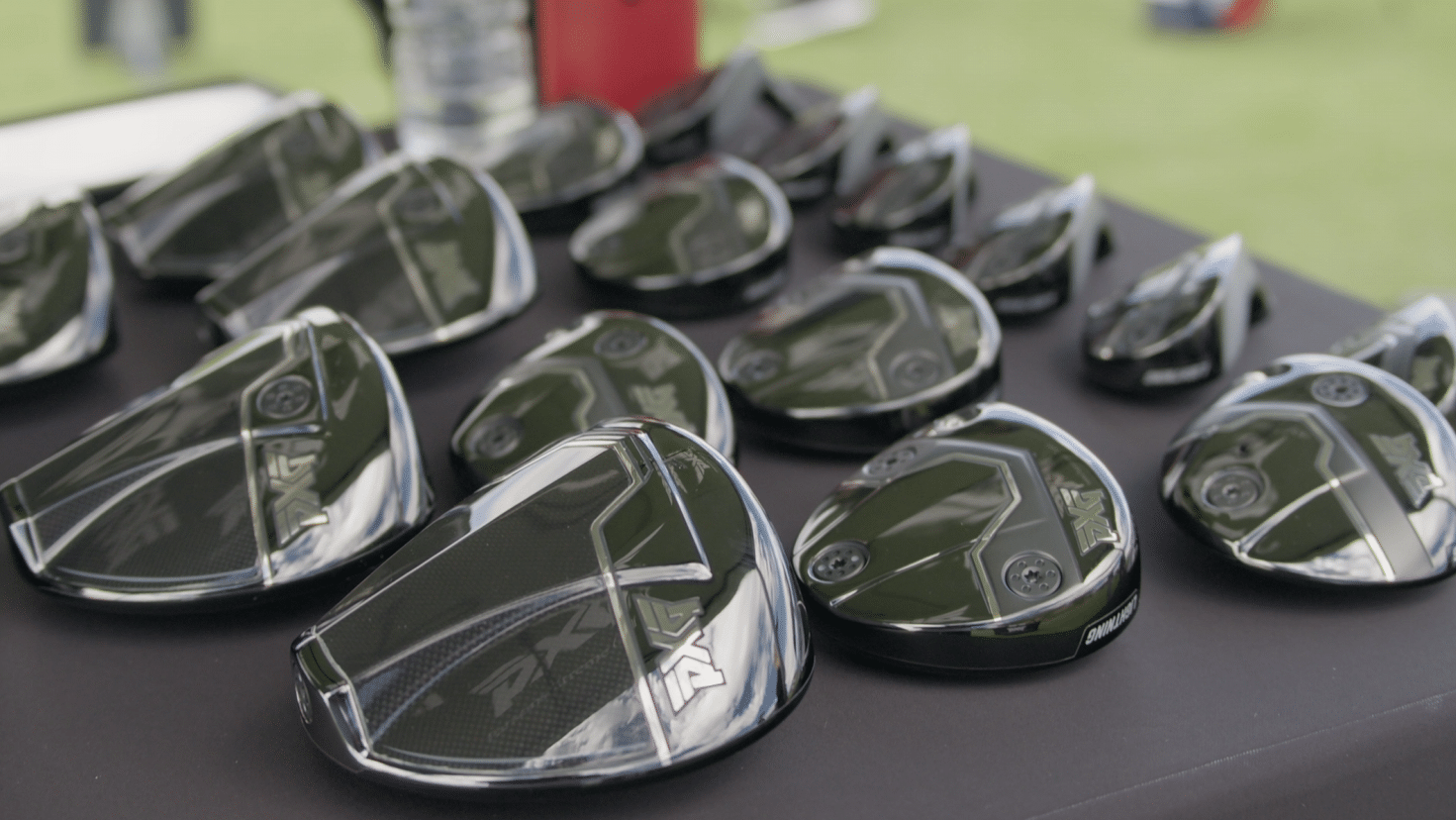
You'll receive your custom PXG clubs within 10 days from when you place the order. That's the standard turnaround, whether you're ordering from the US or UK facility. This window covers everything: order verification, shaft cutting, weighing, assembly, and final inspection. After the build is complete, they clean, inspect, and ship directly to you. It's a surprisingly quick timeline for fully custom-built equipment.
Yes, you can tour PXG's Scottsdale facility. Their 35,000 square-foot headquarters offers scheduled visits where you'll see Expert Builders hand-assembling clubs in the build shop. You'll also access three private climate-controlled fitting bays with TrackMan monitors, a putting lab, and their retail showroom. It's not just a factory tour, it's a full brand experience. Contact them directly to schedule your visit.
PXG's assembly locations, like their UK facility, primarily focus on building new clubs, not repairs. You'll find limited repair services there, mostly for local customers. For grip replacements, shaft swaps, or loft and lie adjustments, you're better off heading to a dedicated PXG retail store or authorized fitting center. Don't assume every PXG location handles repairs; contact your nearest store directly to confirm availability.
Yes, PXG makes its full lineup available for left-handed golfers. You'll find drivers, irons, wedges, hybrids, and putters all built with the same precision as right-handed models. PXG's fitting centers accommodate lefties with tailored fittings covering shaft length, lie angles, and grip options. Their UK and Scottsdale facilities handle custom left-handed builds, and with over 200 fitting locations worldwide, you won't struggle to get properly fitted.
PXG provides a 1-year limited warranty on its manufactured clubs, covering defects in materials and workmanship under normal use. You'll need your proof of purchase to file a claim through an authorized retailer or directly with PXG. Don't expect coverage for wear and tear, cosmetic damage, or anything caused by misuse. Unauthorized modifications void your warranty entirely, so resist the urge to tinker.
You're not buying a club stamped "Made in USA" from a single factory; that's not how premium golf equipment works anymore. PXG designs everything in Scottsdale, sources components globally, and assembles your custom-built clubs at its own facilities. What matters isn't where individual parts originate; it's the engineering knowledge and quality control behind the final product you're gripping on the initial tee. For instance, when considering Titleist manufacturing locations worldwide, you'll find a similar commitment to quality throughout their processes. The craftsmanship in each club reflects years of expertise and innovation spread across various sites. Ultimately, the precision that goes into every swing is a testament to the global nature of modern golf equipment production.