
A good 7-iron lands on the green and runs right through it. That’s the shot I’d think about before buying a dozen of either ball.
The Pro V1 and Pro V1x launched at the same price and both use a cast urethane cover, but Titleist builds them to fly, spin and feel different. Here’s how I’d pick between them.
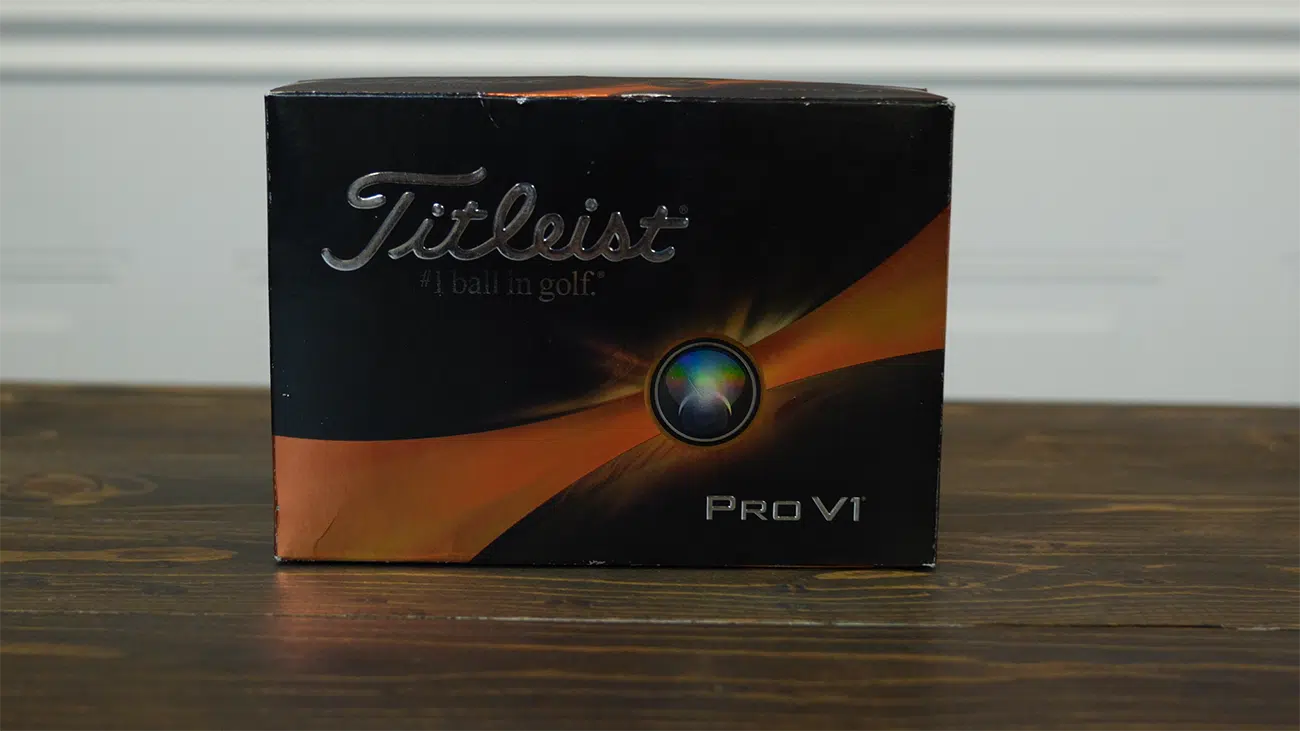
Experience unmatched precision and distance with the Titleist Pro V1 2025 Golf Balls, designed for elite golfers seeking top performance.
The Quick Verdict
Start with the Pro V1 if you already hit the ball high enough and you like a softer feel. It’s the mid-flight ball, with less spin on full shots.
Try the Pro V1x if your irons come in low and you need more height and more full-shot spin to hold a green. It’s firmer. Some golfers love that feedback. Some can’t stand it.
If you don’t know which group you’re in yet, the Pro V1 is the safer place to start. Just don’t expect either ball to fix your flight or add carry by itself. Your strike still runs the show.
Same Cover, Different Flights
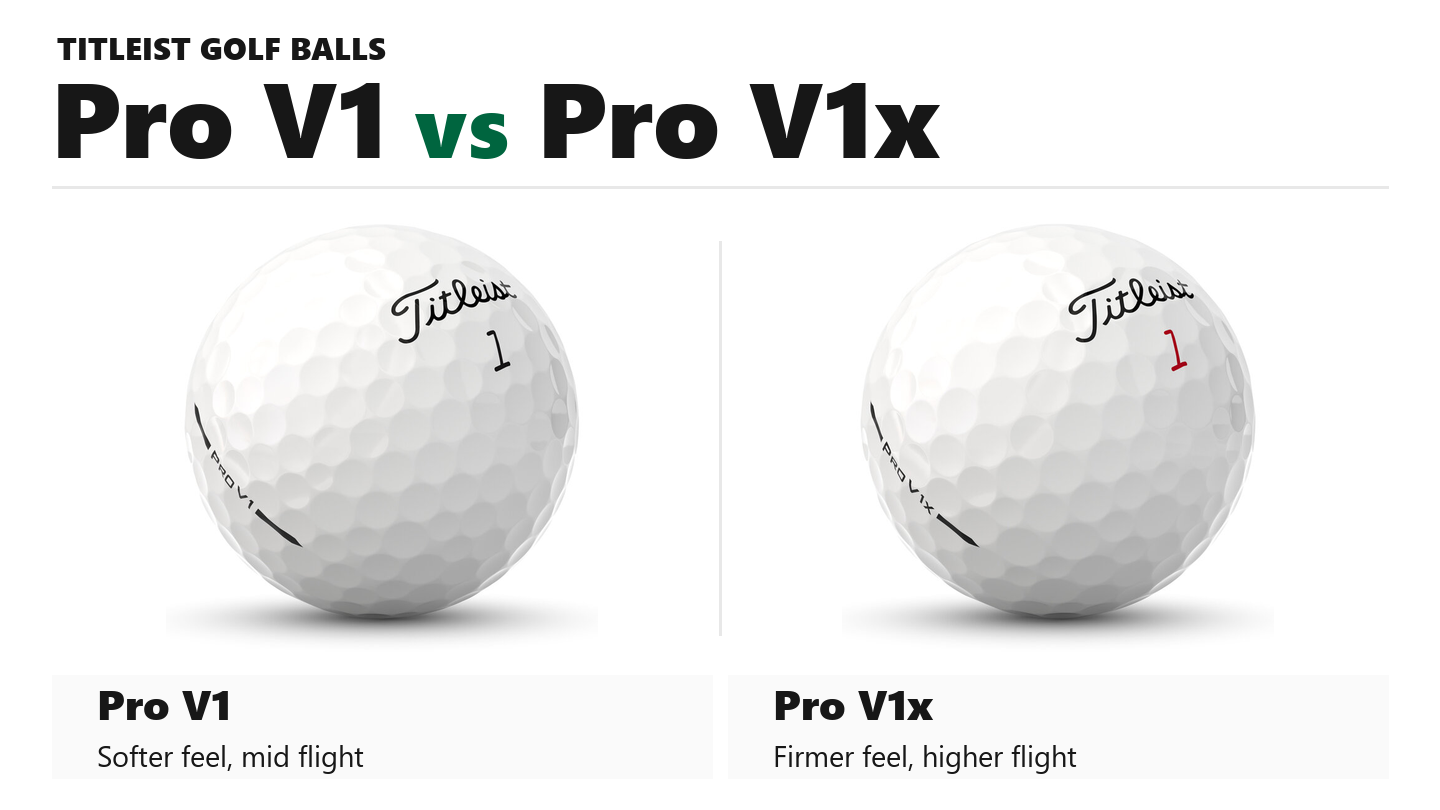
Here’s how Titleist lines up the two balls side by side. Flight, full-shot spin and feel are the rows that will actually help you pick.
| Feature | Titleist Pro V1 | Titleist Pro V1x |
|---|---|---|
| US launch price per dozen (January 2025) | $54.99 | $54.99 |
| Flight | Mid | High |
| Full-shot spin | Lower | Higher |
| Feel | Softer | Firmer |
| Core | High-gradient core | High-gradient dual core |
| Dimples | 388 | 348 |
| Cover | Cast urethane elastomer | Cast urethane elastomer |
| Short game | Designed for short-game control | Designed for short-game control |
| Official compression | Not published by Titleist | Not published by Titleist |
The flight, spin, feel, construction and launch price come from Titleist’s 2025 launch announcement. If you want the deeper look at the standard ball, I cover it in my Titleist Pro V1 review.

How the Two Balls Fly and Spin
The Pro V1 flies mid and the Pro V1x flies high. That’s the first thing I’d sort out.
The construction lines up with it. The Pro V1 gets a high-gradient core and 388 dimples. The X gets a high-gradient dual core and 348 dimples. You don’t need to memorize any of that. It just tells you Titleist built two different trajectories on purpose.
So be honest about your irons. Do they peak low and run out? Or do they already get up there, maybe too far up on a windy day? If it’s the first, the X is the one to try. If it’s the second, a higher-flying ball isn’t solving a problem you actually have.
The X spins more on full shots
The Pro V1x spins more on full shots. The Pro V1 spins less in the long game.
Extra spin can help a full iron stop. With the driver, it can also turn a good swing into a shot that climbs and comes down short. That’s why I’d hit both clubs before buying a dozen.
So if your drives already balloon, I’d be careful with the X. If your driver flight is fine and your irons just won’t hold, that extra spin might be exactly what you’re after.
Fit It From the Approach Shot, Not the Tee
I’d make this call with a mid iron, not a driver. Approach shots are where height and spin decide whether you’re putting or chipping.
Here’s a tip. Take one club, a 7-iron works, and hit both balls on a launch monitor or into a green you know well. Only count comparable strikes. Toss the thin ones and the heel shots, because a bad strike tells you about your swing, not the ball.
Watch three things. Peak height, how steeply it comes down, and how far it moves after it lands. If the Pro V1 gets enough height and stops where you want, you’re done. If it comes in flat and skids, run the same shots with the X.
Then check the driver last. You just want to make sure the ball that works on approach isn’t hurting you off the tee.
Why swing-speed charts won’t settle this pair
A swing-speed chart can’t pick between these two, and I wouldn’t let one try.
A lot of those charts lean on compression. Titleist doesn’t publish an official compression number for either ball. A compression reading still can’t tell you if your 7-iron needs more height.
Think about it this way. Two golfers with the same speed can launch an iron at completely different heights. Loft, attack angle and where you catch the face all change it. One of them needs more height. The other needs less. A speed number can’t tell them apart.
Your ball flight can.
Putter Feel: Softer or Firmer
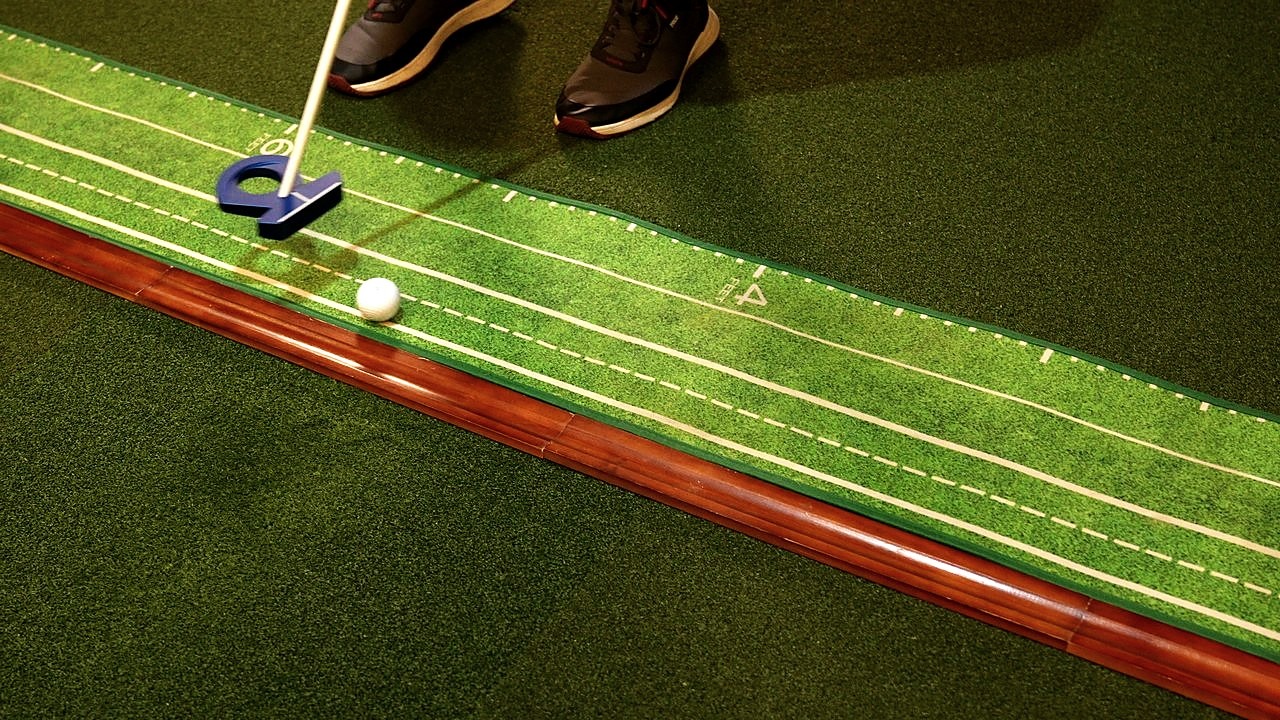
Titleist calls the Pro V1 the softer ball and the Pro V1x the firmer one. Off the putter, that’s mostly sound and feedback.
Some golfers want a quiet, muted strike. Others want a crisp click so they know exactly how they hit it. Neither one is wrong.
Just don’t treat a few putts like a compression test. Rolling putts tells you which one you like hearing. It tells you nothing about a full 7-iron. Make the flight call first, then let feel break a tie.
2021, 2023 and Current Balls: What Changed
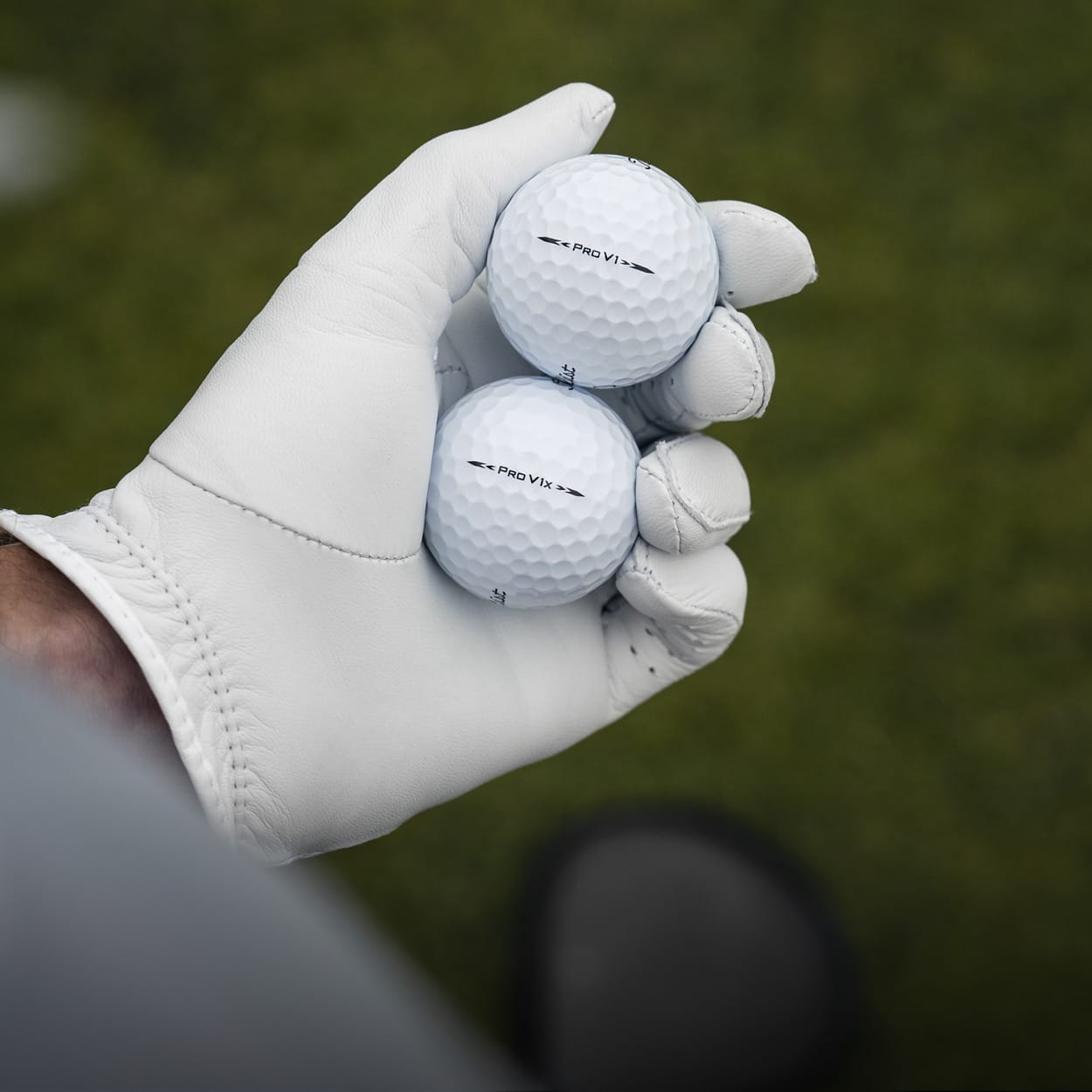
The current pair is the 2025 generation. That matters if you’re buying older stock or sorting through a shag bag of mixed balls.
Titleist’s 2021 update redesigned the 388 and 348 dimple patterns and used a softer formulated cover. The 2023 update adjusted the high-gradient cores to bring long-game spin down. The 2025 balls are the versions this comparison is about.
If you find an older dozen, check the box so you know which generation you’re getting. And when you compare, keep both balls from the same year. A 2021 Pro V1 against a current Pro V1x isn’t really comparing the two models.
Where the Pro V1x Left Dash fits
The Left Dash is a separate ball. Titleist built it to fly about as high as the standard X with less long-game spin and a firmer feel.
I’d look at the Left Dash if I liked the X’s height and saw too much spin off the tee. If the X is helping your irons stop and the driver looks fine, stick with it.
What I Don’t Love About Each
The catch with each ball is the flip side of what it does best, so pick the drawback you can live with.
Titleist Pro V1
The Pro V1 flies on a mid trajectory and spins less on full shots than the X. If you want more height and more stopping power into greens, this is the one I’d skip.
Titleist Pro V1x
If your drives already climb too much, hit the X with your driver before buying a dozen. The feel is firmer too. If you like a soft strike, roll a few before you commit.
Who Should Buy Which
Buy the Titleist Pro V1 if
- Your irons already get plenty of height.
- Your driver already spins enough, or too much.
- You like a softer feel off the putter and wedges.
- You don’t have launch numbers and want the sensible place to start.
Best for: Softer feel and mid flight.
Experience unmatched precision and distance with the Titleist Pro V1 2025 Golf Balls, designed for elite golfers seeking top performance.
Buy the Titleist Pro V1x if
- Your approach shots come in low and won’t stop.
- You need more full-shot spin to hold greens.
- Your driver flight stays where you want it when you try the X.
- You like firmer, crisper feedback off the putter.
Best for: Higher flight and more full-shot spin.
Frequently Asked Questions
What is the compression of the Pro V1 and Pro V1x?
Titleist doesn’t publish an official compression number for either one. It calls the Pro V1 softer and the Pro V1x firmer. Use that as a feel comparison between the two, and pick on flight first.
Is the Pro V1x longer than the Pro V1?
Not automatically. The ball that carries farther for you is the one whose flight and spin suit your swing. More spin can help an iron stop and still cost you with the driver. Compare carry on comparable strikes with the same club before you decide.
Should a high handicapper play the Pro V1 or Pro V1x?
YYou can play either one. The flight and spin difference doesn’t come with a handicap rule. The real question is cost. If you lose several balls a round, a premium ball gets expensive fast, and I’d wait until you’re keeping more of them in play.
Does the Pro V1x spin more around the green?
The Pro V1x’s higher full-shot spin doesn’t tell you how it’ll behave on your chips. Both balls use cast urethane covers designed for short-game control. Hit the same chip with each and watch what happens after the first bounce.
Final Thoughts on Titleist Pro V1 vs Titleist Pro V1x
If you’re still stuck, settle it on your approach shots. Once you’ve seen each ball on solid strikes, play the one that leaves you putting more often. If the X keeps holding greens your Pro V1 runs through, that’s your answer.
Before you buy a full dozen, take that ball out for a round and hit a few drives with it. If the X holds your irons but balloons your driver, that’s a real tradeoff, and you have to decide which one costs you more strokes on the course you actually play. If both balls pass and you still can’t choose, let the putter break the tie.

About the author
Paul Liberatore
Paul Liberatore is the founder of Golfers Authority and a former three-year golf gear contributor to Sports Illustrated. He runs the Golfers Authority YouTube channel and the Behind the Golf Brand podcast, and he reviews golf equipment to help golfers make better buying decisions.